


Nicotine Addiction: Causes, Effects and Withdrawal Symptoms
Nicotine addiction is a common form of substance dependence associated with the use of tobacco products such as cigarettes, bidis, gutkha, khaini, mawa, snuff, and other forms of tobacco. Nicotine is the main addictive substance in tobacco and can lead to both physical and psychological dependence.
Many people begin using tobacco because of stress, curiosity, peer pressure, social influence, or habit. What may start as occasional tobacco use can gradually become regular use and eventually develop into nicotine addiction.
Understanding how nicotine addiction develops, why people become dependent on tobacco, its effects on the body, and the symptoms that may occur after stopping nicotine is an important step towards making healthier decisions.
What Is Nicotine Addiction?
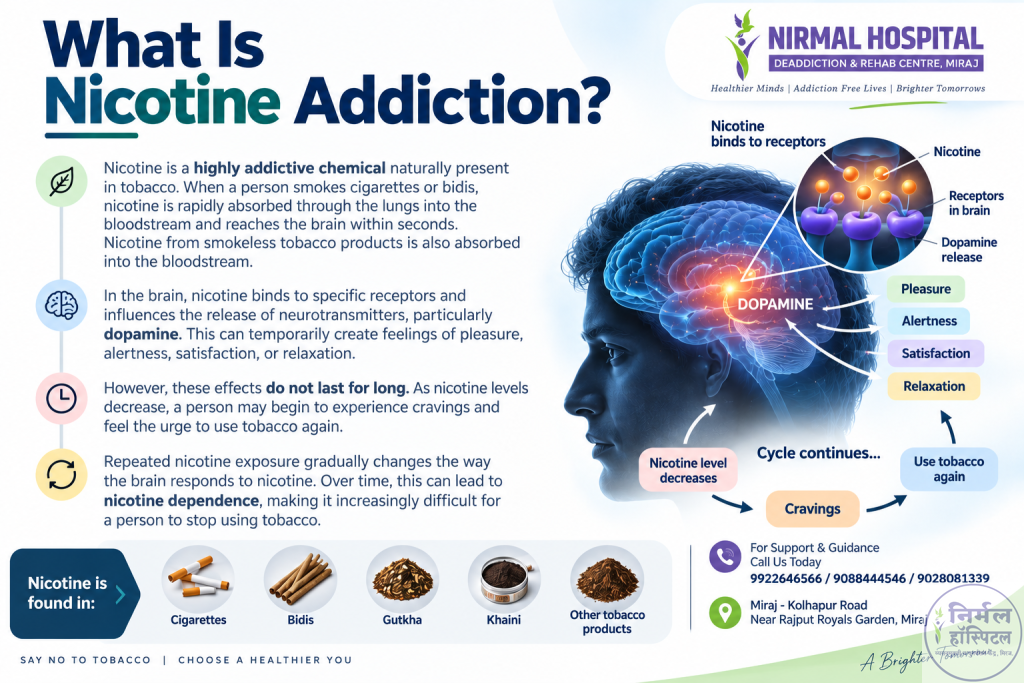
Nicotine is a highly addictive chemical naturally present in tobacco. When a person smokes cigarettes or bidis, nicotine is rapidly absorbed through the lungs into the bloodstream and reaches the brain within seconds. Nicotine from smokeless tobacco products is also absorbed into the bloodstream.
In the brain, nicotine binds to specific receptors and influences the release of neurotransmitters, particularly dopamine. This can temporarily create feelings of pleasure, alertness, satisfaction, or relaxation.
However, these effects do not last for long. As nicotine levels decrease, a person may begin to experience cravings and feel the urge to use tobacco again.
Repeated nicotine exposure gradually changes the way the brain responds to nicotine. Over time, this can lead to nicotine dependence, making it increasingly difficult for a person to stop using tobacco.
Why Does Nicotine Addiction Develop?
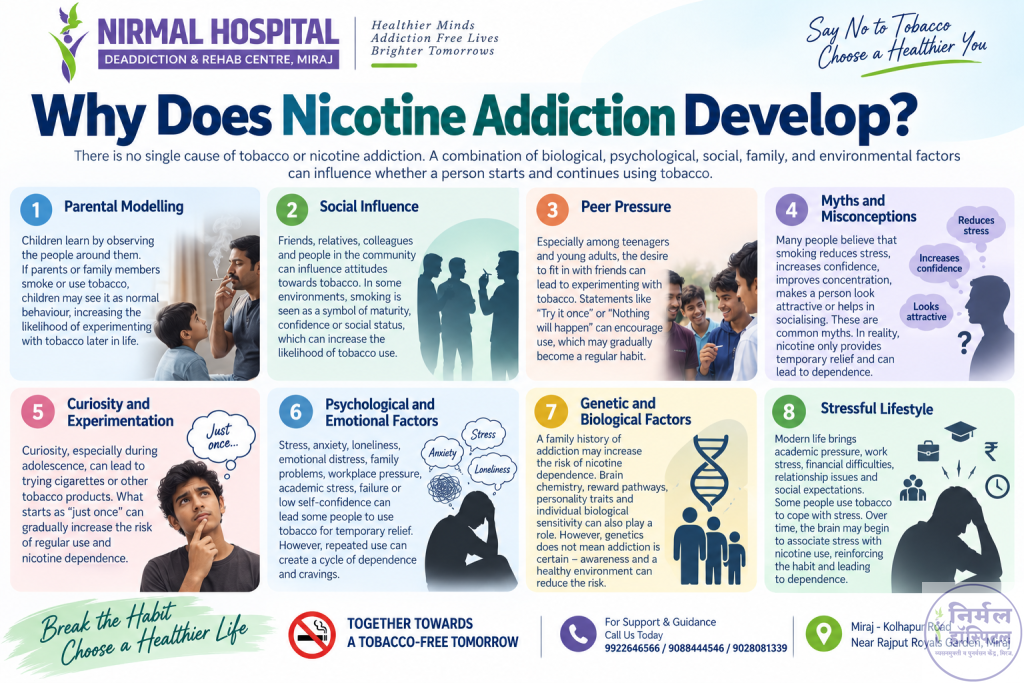
There is no single cause of tobacco or nicotine addiction. A combination of biological, psychological, social, family, and environmental factors can influence whether a person starts and continues using tobacco.
1. Parental Modelling
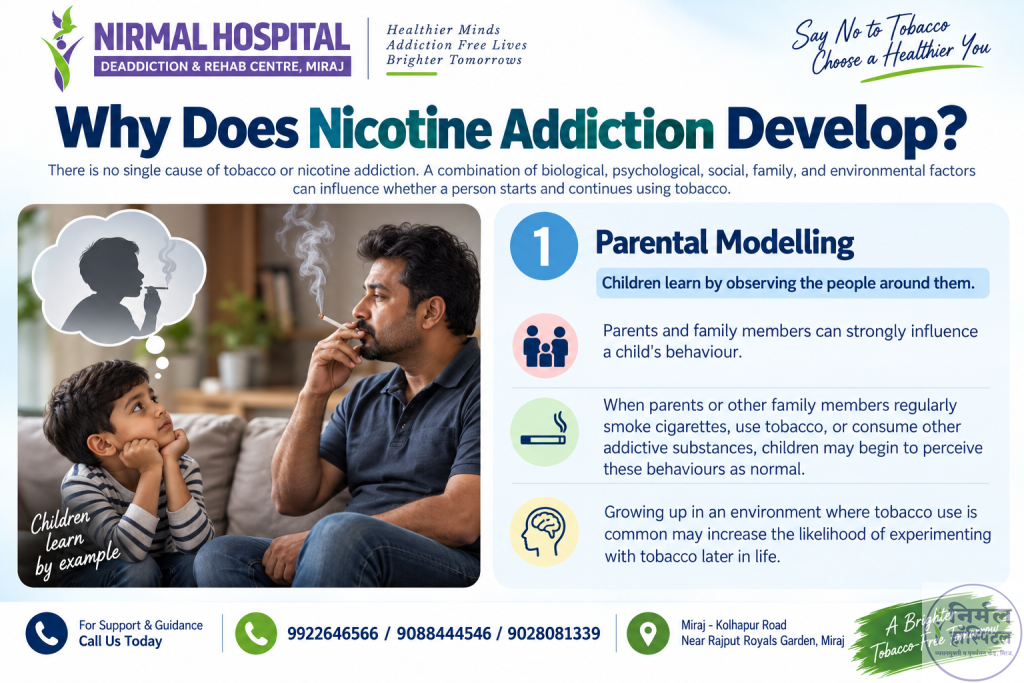
Parents and family members can strongly influence a child’s behaviour.
Children observe and learn from the people around them. When parents or other family members regularly smoke cigarettes, use tobacco, or consume other addictive substances, children may begin to perceive these behaviours as normal.
Growing up in an environment where tobacco use is common may increase the likelihood of experimenting with tobacco later in life.
2. Social Influence
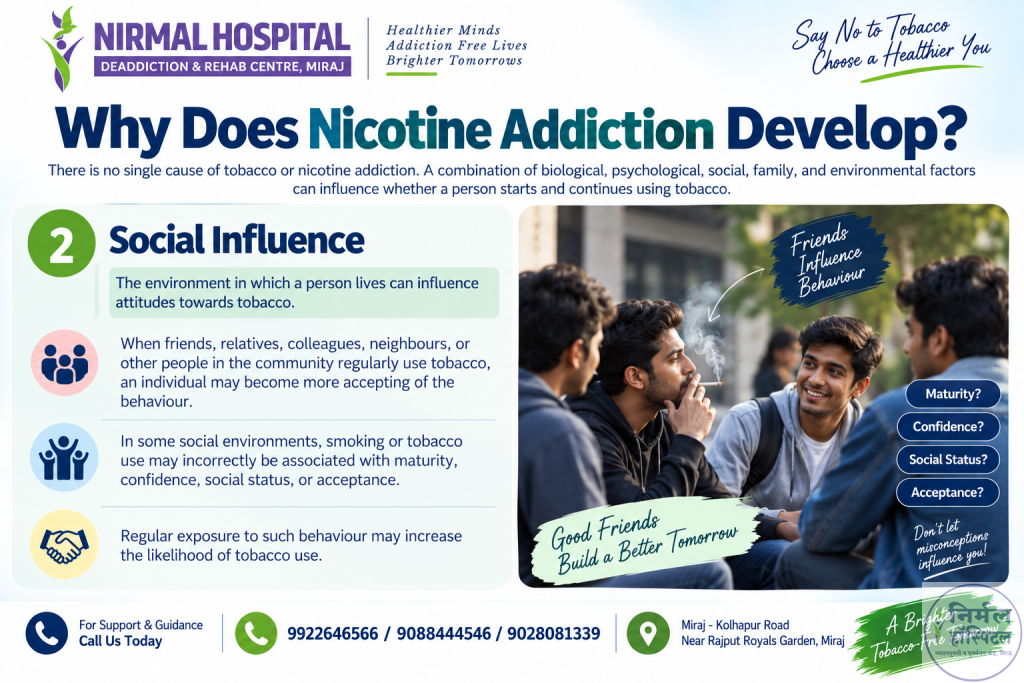
The environment in which a person lives can influence attitudes towards tobacco.
When friends, relatives, colleagues, neighbours, or other people in the community regularly use tobacco, an individual may become more accepting of the behaviour.
In some social environments, smoking or tobacco use may incorrectly be associated with maturity, confidence, social status, or acceptance.
Regular exposure to such behaviour may increase the likelihood of tobacco use.
3. Peer Pressure
Peer pressure is an important factor, particularly among teenagers and young adults.
Some people begin smoking or using tobacco because they want to fit into their social group. Friends may directly or indirectly encourage them to experiment.
Statements such as “Try it once,” “Nothing will happen,” or “Everyone does it” can encourage experimentation.
What starts as occasional experimentation can gradually develop into regular tobacco use and nicotine dependence.
4. Myths and Misconceptions About Tobacco
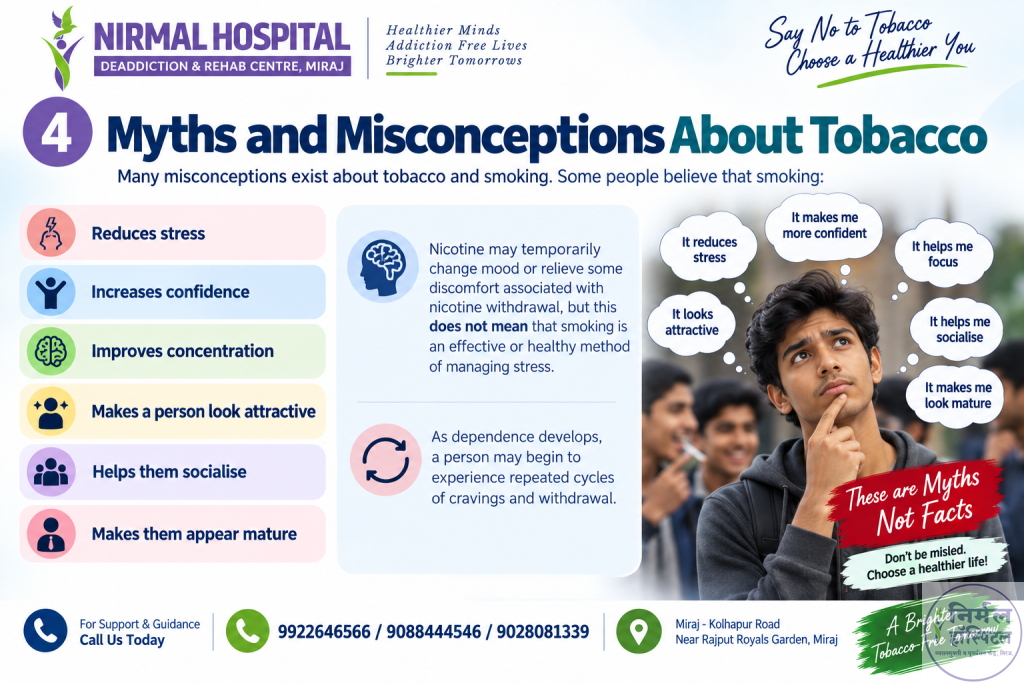
Many misconceptions exist about tobacco and smoking.
Some people believe that smoking:
- Reduces stress
- Increases confidence
- Improves concentration
- Makes a person look attractive
- Helps them socialise
- Makes them appear mature
Nicotine may temporarily change mood or relieve some discomfort associated with nicotine withdrawal, but this does not mean that smoking is an effective or healthy method of managing stress.
As dependence develops, a person may begin to experience repeated cycles of cravings and withdrawal.
5. Curiosity and Experimentation
Curiosity is another common reason people start using tobacco, especially during adolescence and young adulthood.
Seeing friends or others smoking cigarettes or using tobacco may encourage someone to experiment.
A person may initially think, “I will try it only once.” However, repeated exposure to nicotine can gradually increase the risk of dependence.
6. Psychological and Emotional Factors
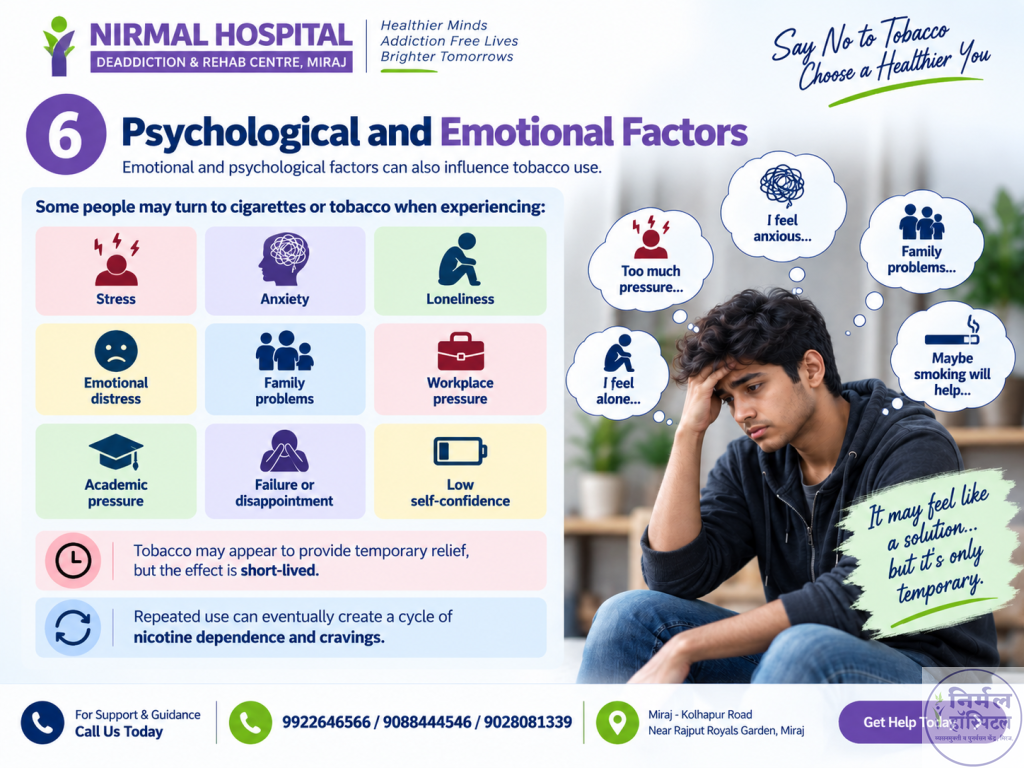
Emotional and psychological factors can also influence tobacco use.
Some people may turn to cigarettes or tobacco when experiencing:
- Stress
- Anxiety
- Loneliness
- Emotional distress
- Family problems
- Workplace pressure
- Academic pressure
- Failure or disappointment
- Low self-confidence
Tobacco may appear to provide temporary relief, but the effect is short-lived. Repeated use can eventually create a cycle of nicotine dependence and cravings.
7. Genetic and Biological Factors
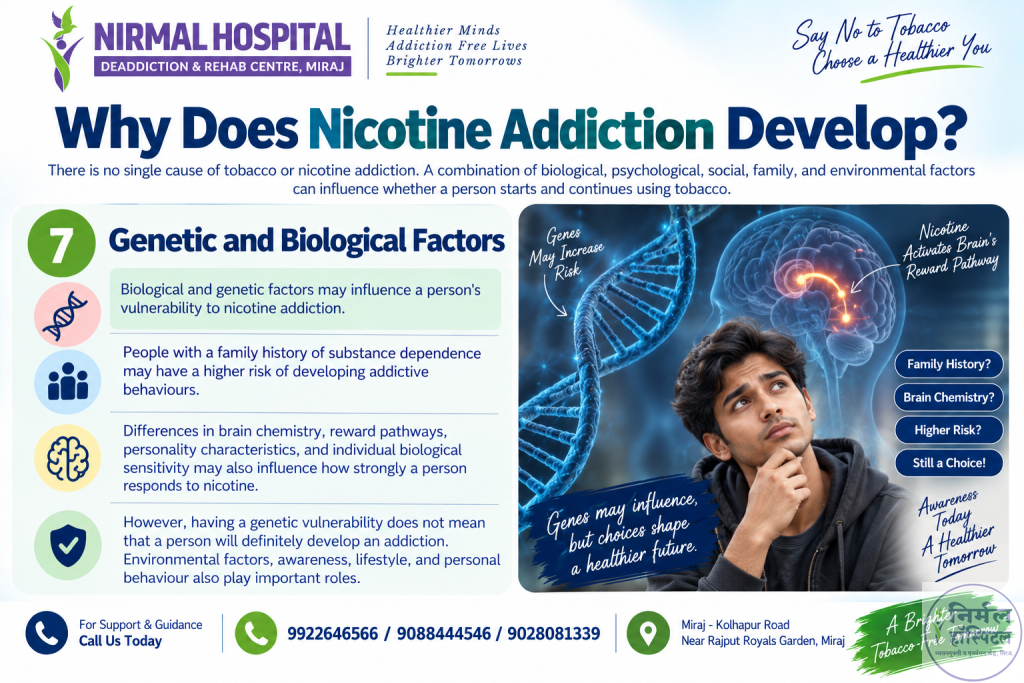
Biological and genetic factors may influence a person’s vulnerability to nicotine addiction.
People with a family history of substance dependence may have a higher risk of developing addictive behaviours. Differences in brain chemistry, reward pathways, personality characteristics, and individual biological sensitivity may also influence how strongly a person responds to nicotine.
However, having a genetic vulnerability does not mean that a person will definitely develop an addiction. Environmental factors, awareness, lifestyle, and personal behaviour also play important roles.
8. Stressful Lifestyle
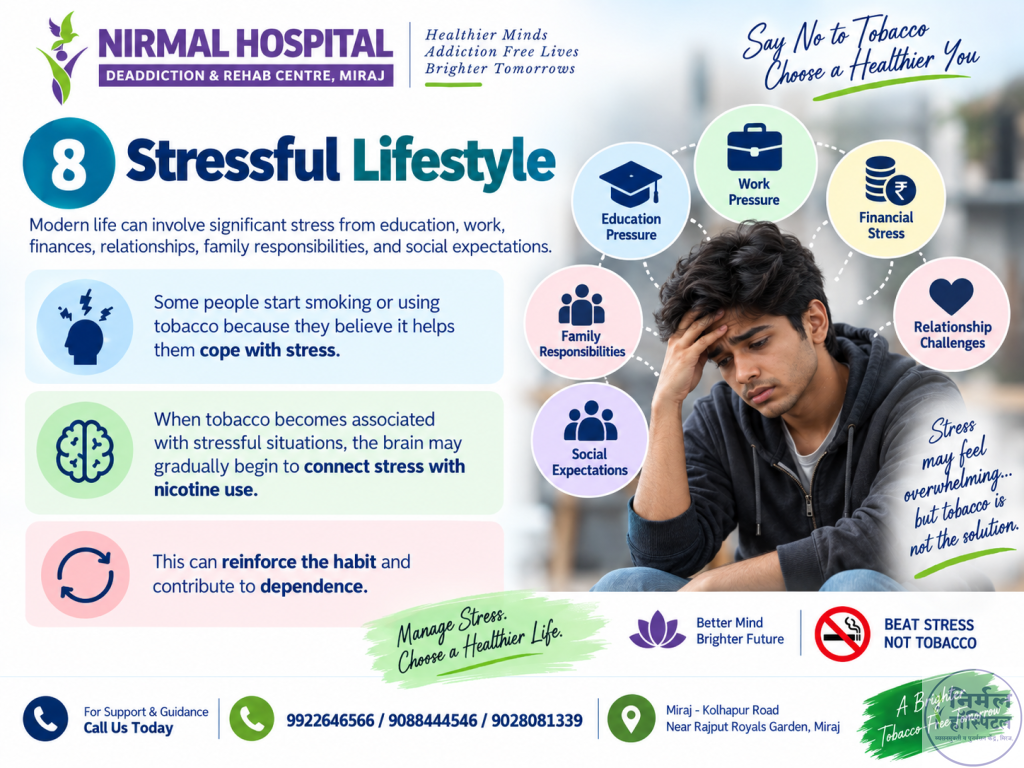
Modern life can involve significant stress from education, work, finances, relationships, family responsibilities, and social expectations.
Some people start smoking or using tobacco because they believe it helps them cope with stress.
When tobacco becomes associated with stressful situations, the brain may gradually begin to connect stress with nicotine use. This can reinforce the habit and contribute to dependence.
How Does Nicotine Affect the Brain?
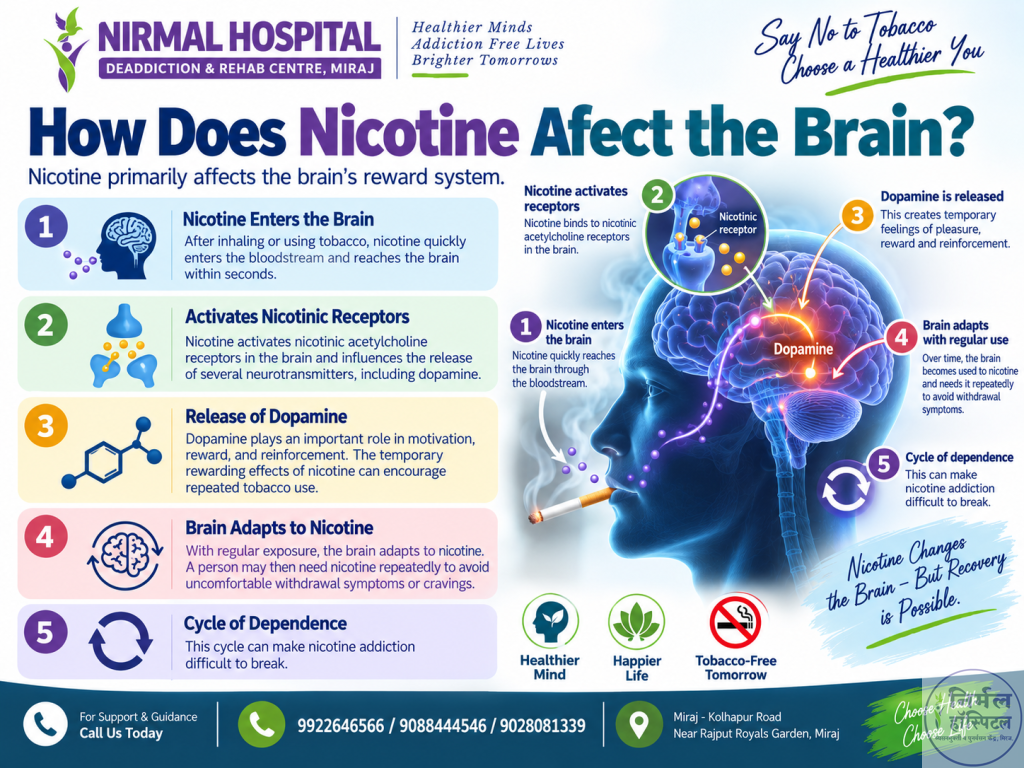
Nicotine primarily affects the brain’s reward system.
After entering the brain, nicotine activates nicotinic acetylcholine receptors and influences the release of several neurotransmitters, including dopamine.
Dopamine plays an important role in motivation, reward, and reinforcement. The temporary rewarding effects associated with nicotine can encourage repeated tobacco use.
With regular exposure, the brain adapts to nicotine. A person may then need nicotine repeatedly to avoid uncomfortable withdrawal symptoms or cravings.
This cycle can make nicotine addiction difficult to break.
Effects of Nicotine and Tobacco on the Body
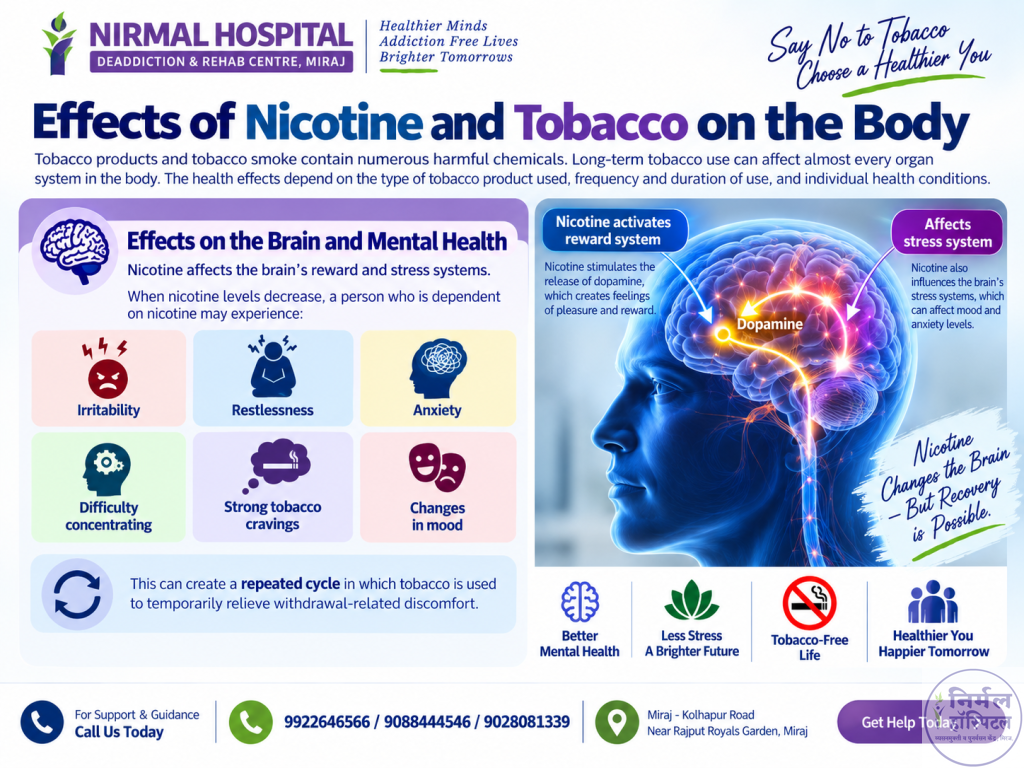
Tobacco products and tobacco smoke contain numerous harmful chemicals. Long-term tobacco use can affect almost every organ system in the body.
The health effects depend on factors such as the type of tobacco product used, frequency and duration of use, and individual health conditions.
Effects on the Brain and Mental Health
Nicotine affects the brain’s reward and stress systems.
When nicotine levels decrease, a person who is dependent on nicotine may experience:
- Irritability
- Restlessness
- Anxiety
- Difficulty concentrating
- Strong tobacco cravings
- Changes in mood
This can create a repeated cycle in which tobacco is used to temporarily relieve withdrawal-related discomfort.
Effects on the Heart and Blood Vessels
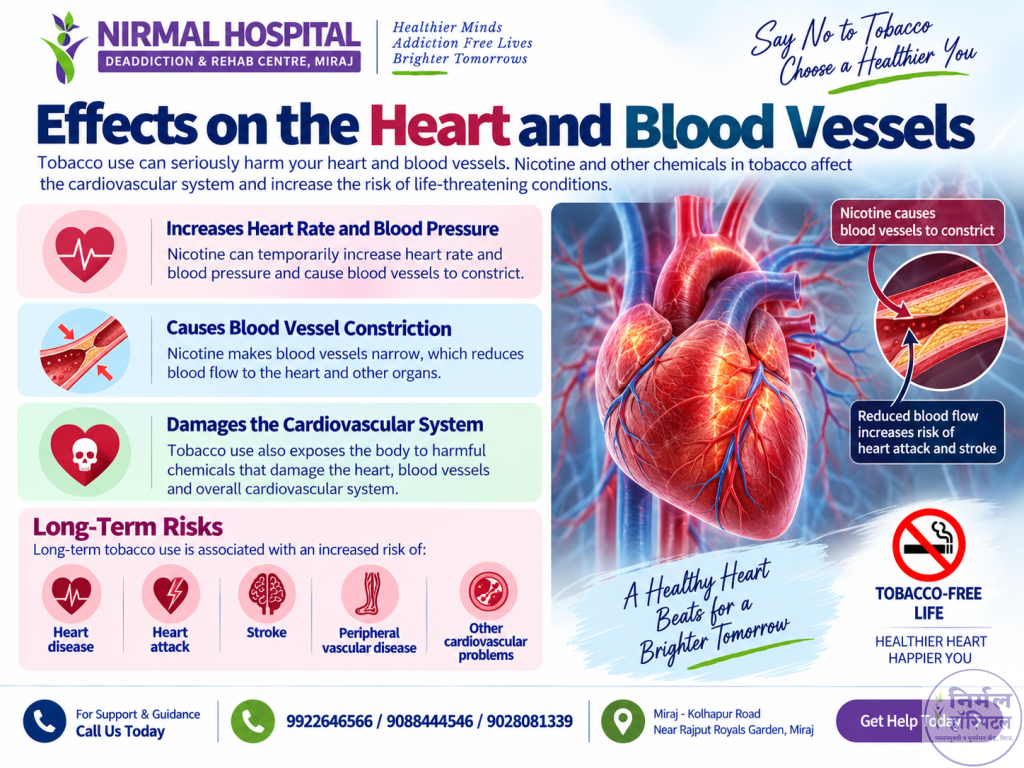
Nicotine can temporarily increase heart rate and blood pressure and cause blood vessels to constrict.
Tobacco use also exposes the body to harmful chemicals that damage the cardiovascular system.
Long-term tobacco use is associated with an increased risk of:
- Heart disease
- Heart attack
- Stroke
- Peripheral vascular disease
- Other cardiovascular problems
Effects on the Lungs and Respiratory System
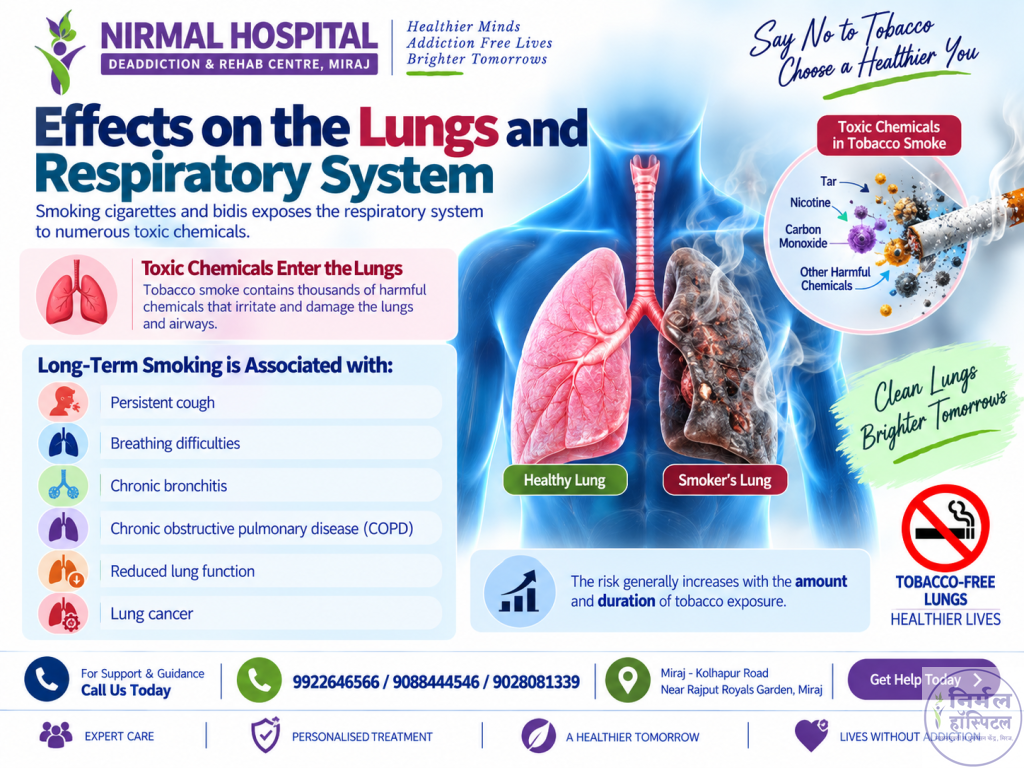
Smoking cigarettes and bidis exposes the respiratory system to numerous toxic chemicals.
Long-term smoking is associated with:
- Persistent cough
- Breathing difficulties
- Chronic bronchitis
- Chronic obstructive pulmonary disease (COPD)
- Reduced lung function
- Lung cancer
The risk generally increases with the amount and duration of tobacco exposure.
Effects on the Mouth, Teeth and Gums
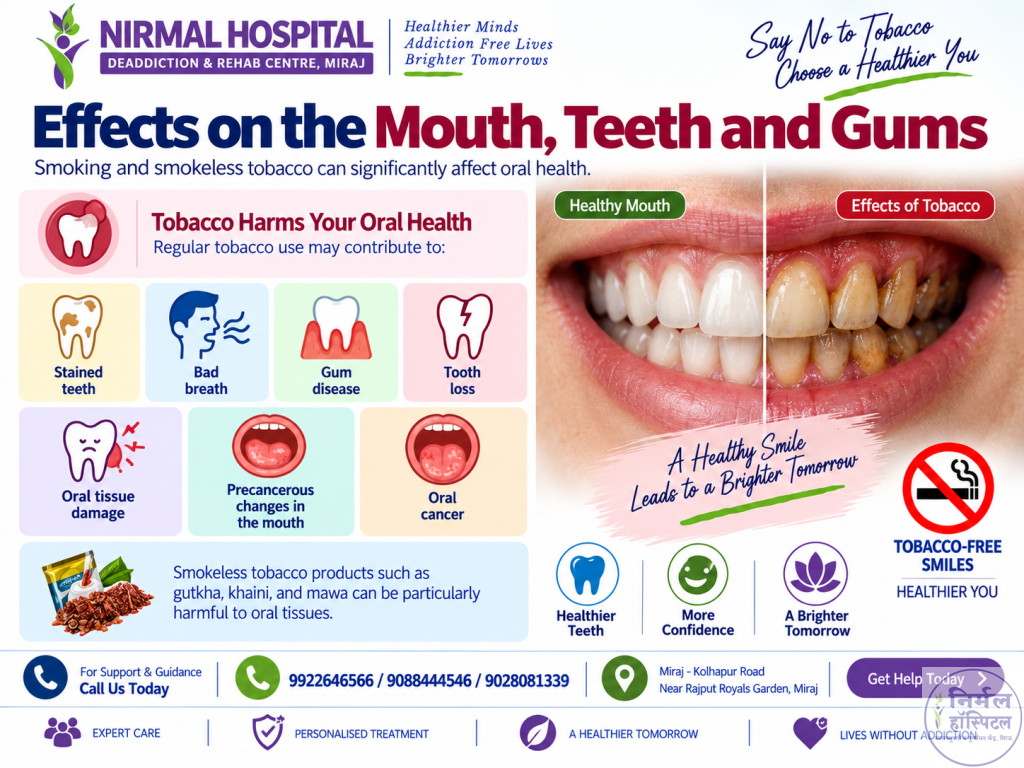
Smoking and smokeless tobacco can significantly affect oral health.
Regular tobacco use may contribute to:
- Stained teeth
- Bad breath
- Gum disease
- Tooth loss
- Oral tissue damage
- Precancerous changes in the mouth
- Oral cancer
Smokeless tobacco products such as gutkha, khaini, and mawa can be particularly harmful to oral tissues.
Effects on the Digestive System
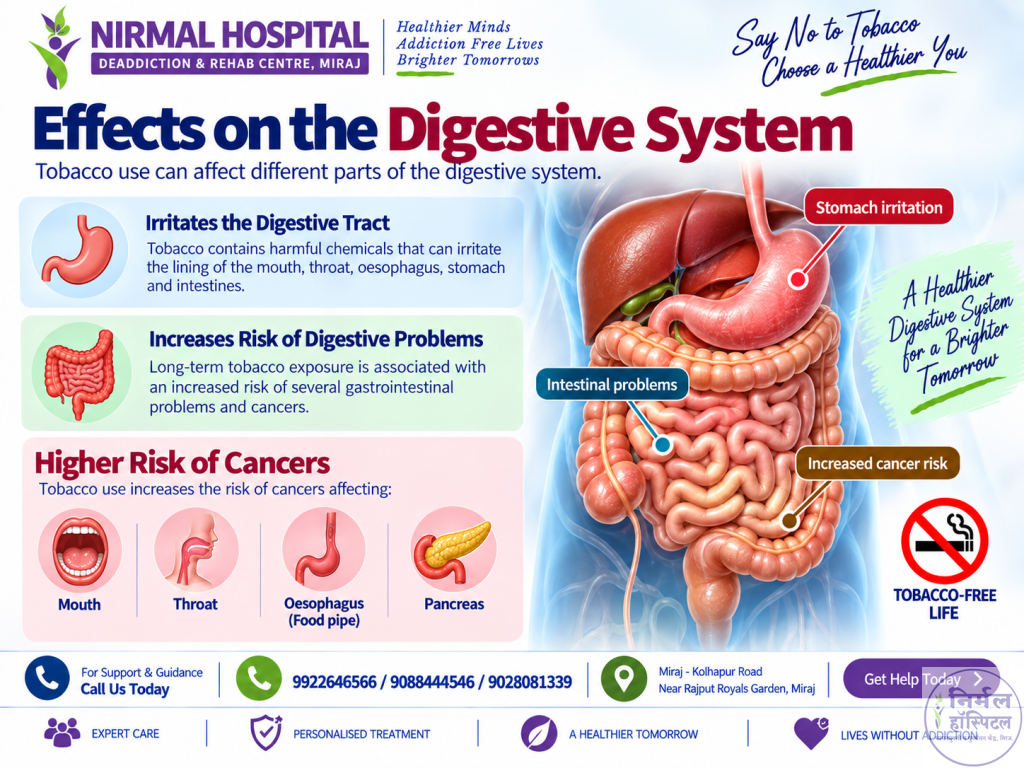
Tobacco use can affect different parts of the digestive system.
Long-term tobacco exposure is associated with an increased risk of several gastrointestinal problems and cancers, including cancers affecting the mouth, throat, oesophagus, and pancreas.
Effects on Sexual and Reproductive Health
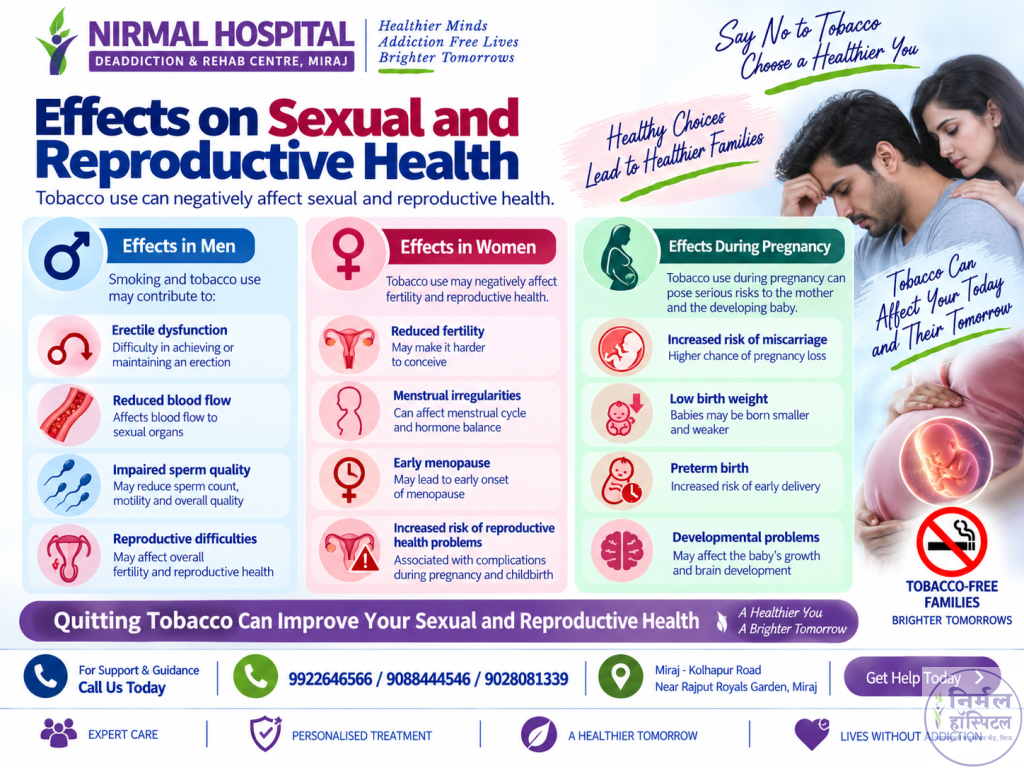
Tobacco use can negatively affect sexual and reproductive health.
In men, smoking and tobacco use may contribute to:
- Erectile dysfunction
- Reduced blood flow
- Impaired sperm quality
- Reproductive difficulties
In women, tobacco use may negatively affect fertility and reproductive health.
Tobacco use during pregnancy can also pose serious risks to the pregnancy and the developing baby.
Nicotine Withdrawal Symptoms
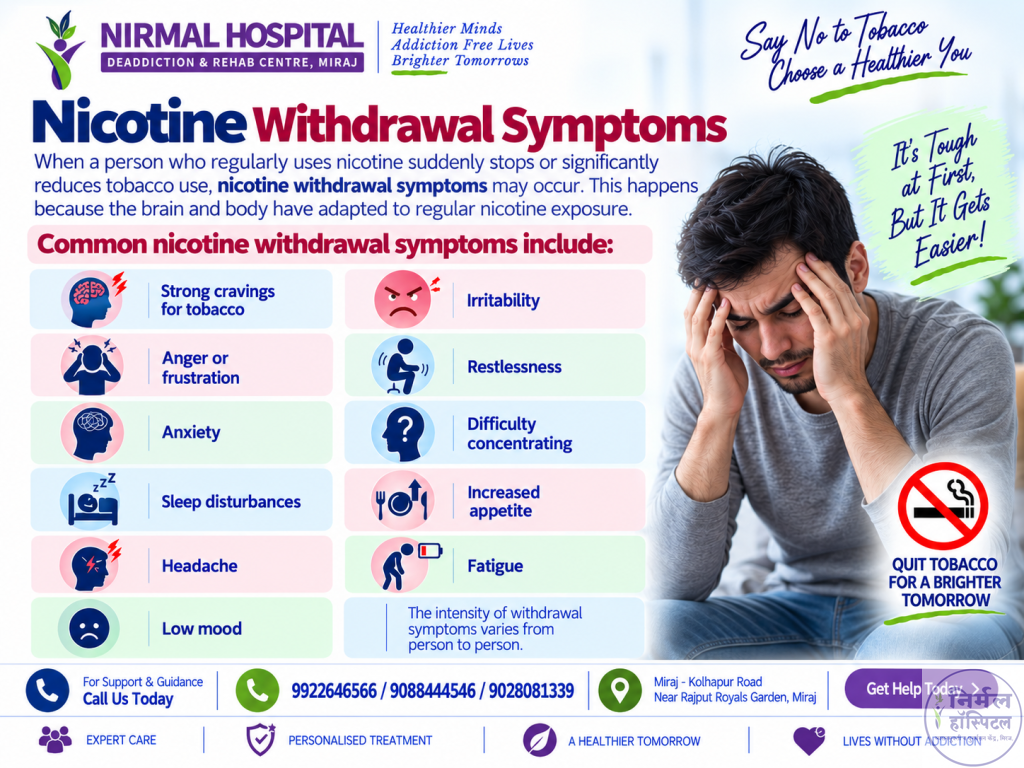
When a person who regularly uses nicotine suddenly stops or significantly reduces tobacco use, nicotine withdrawal symptoms may occur.
This happens because the brain and body have adapted to regular nicotine exposure.
Common nicotine withdrawal symptoms include:
- Strong cravings for tobacco
- Irritability
- Anger or frustration
- Restlessness
- Anxiety
- Difficulty concentrating
- Sleep disturbances
- Increased appetite
- Headache
- Fatigue
- Low mood
The intensity of withdrawal symptoms varies from person to person.
How Long Do Nicotine Withdrawal Symptoms Last?
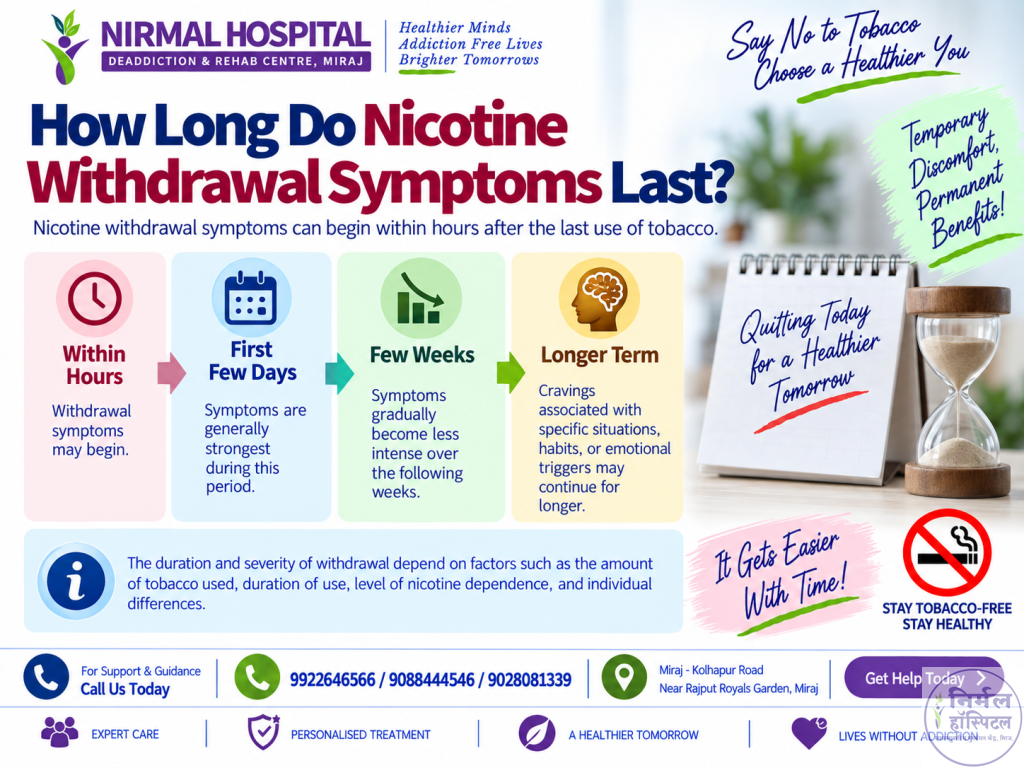
Nicotine withdrawal symptoms can begin within hours after the last use of tobacco.
For many people, symptoms are strongest during the first few days and gradually become less intense over the following weeks. However, cravings associated with particular situations, habits, or emotional triggers may continue for longer.
The duration and severity of withdrawal depend on factors such as the amount of tobacco used, duration of use, level of nicotine dependence, and individual differences.
Why Is It Difficult to Quit Tobacco?
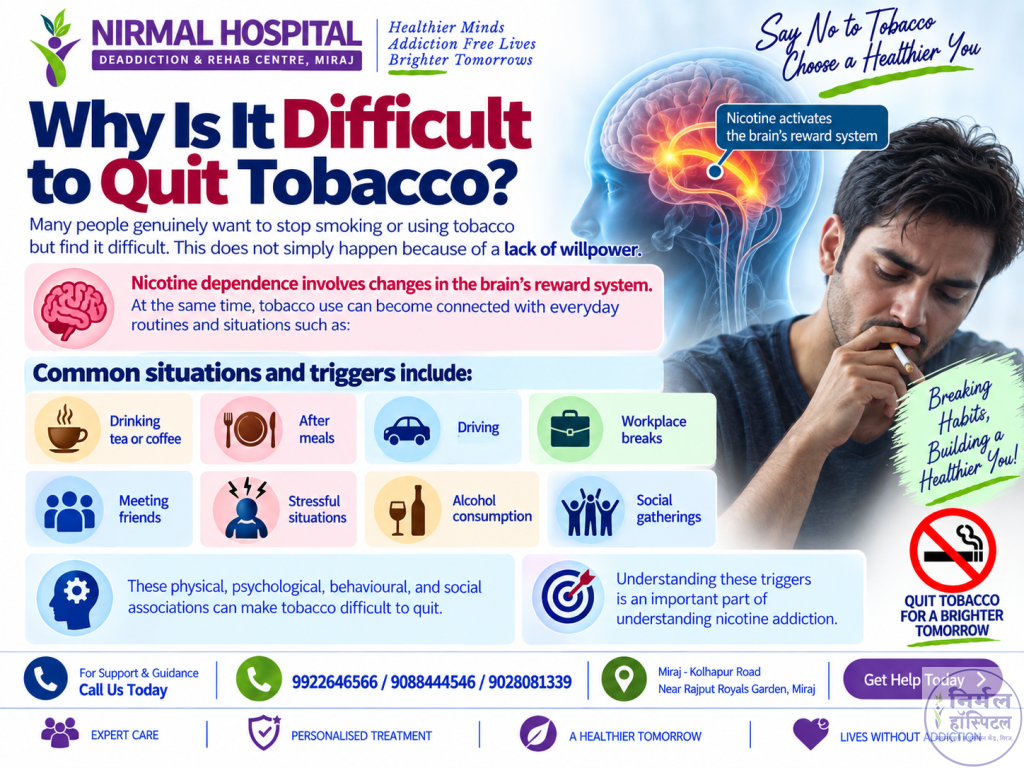
Many people genuinely want to stop smoking or using tobacco but find it difficult.
This does not simply happen because of a lack of willpower.
Nicotine dependence involves changes in the brain’s reward system. At the same time, tobacco use can become connected with everyday routines and situations such as:
- Drinking tea or coffee
- After meals
- Driving
- Workplace breaks
- Meeting friends
- Stressful situations
- Alcohol consumption
- Social gatherings
These physical, psychological, behavioural, and social associations can make tobacco difficult to quit.
Understanding these triggers is an important part of understanding nicotine addiction.
Tobacco Addiction Can Affect Daily Life
The effects of tobacco addiction are not limited to physical health.
Regular tobacco use may also affect:
- Daily productivity
- Personal finances
- Family relationships
- Social life
- Oral hygiene
- Physical fitness
- Quality of life
Second-hand tobacco smoke can also expose family members and other people nearby to harmful chemicals.
Nicotine Addiction Is a Health Condition That Needs Attention
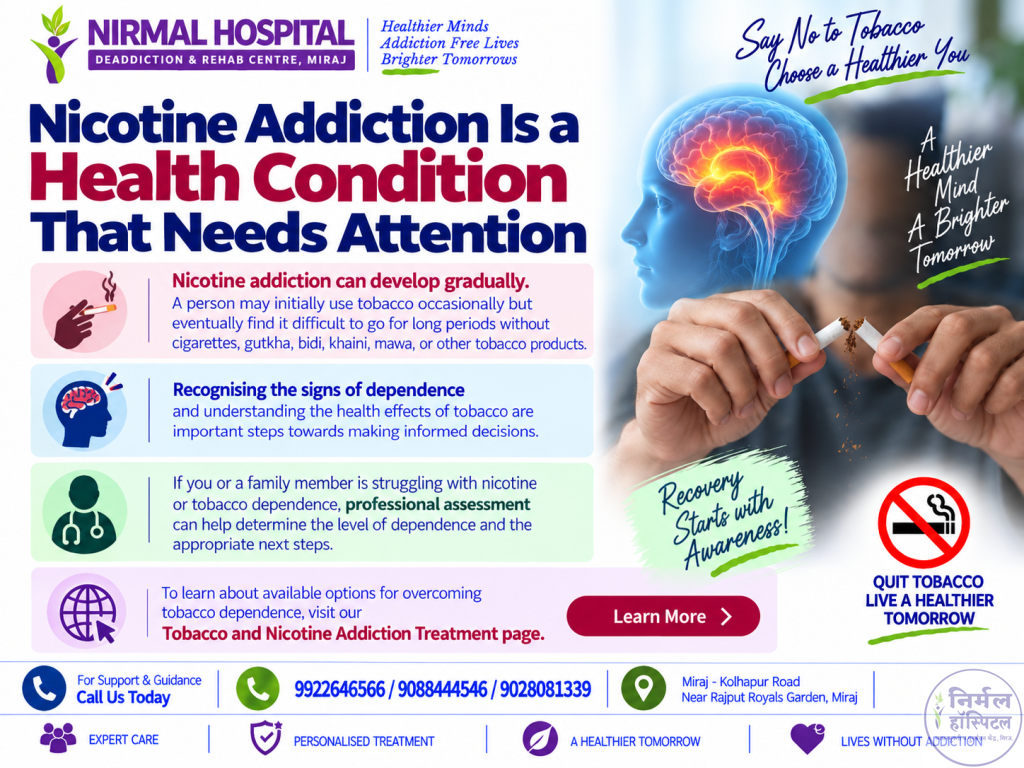
Nicotine addiction can develop gradually. A person may initially use tobacco occasionally but eventually find it difficult to go for long periods without cigarettes, gutkha, bidi, khaini, mawa, or other tobacco products.
Recognising the signs of dependence and understanding the health effects of tobacco are important steps towards making informed decisions.
If you or a family member is struggling with nicotine or tobacco dependence, professional assessment can help determine the level of dependence and the appropriate next steps.
To learn about available options for overcoming tobacco dependence, visit our Tobacco and Nicotine Addiction Treatment page.
Frequently Asked Questions About Nicotine Addiction
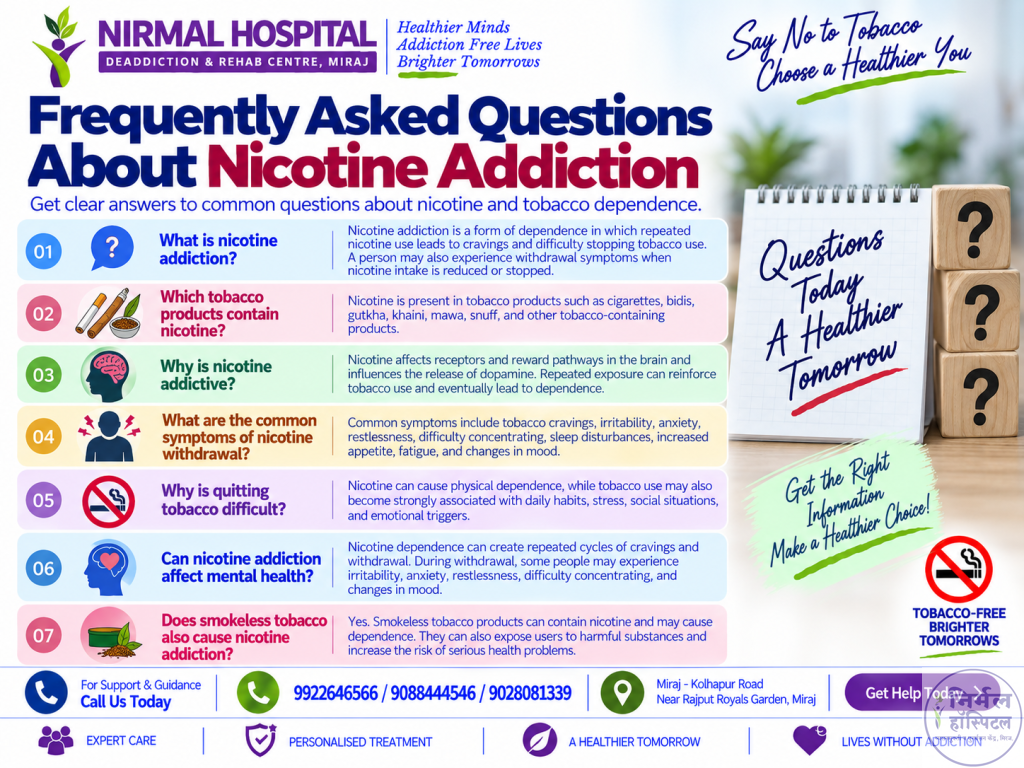
What is nicotine addiction?
Nicotine addiction is a form of dependence in which repeated nicotine use leads to cravings and difficulty stopping tobacco use. A person may also experience withdrawal symptoms when nicotine intake is reduced or stopped.
Which tobacco products contain nicotine?
Nicotine is present in tobacco products such as cigarettes, bidis, gutkha, khaini, mawa, snuff, and other tobacco-containing products.
Why is nicotine addictive?
Nicotine affects receptors and reward pathways in the brain and influences the release of dopamine. Repeated exposure can reinforce tobacco use and eventually lead to dependence.
What are the common symptoms of nicotine withdrawal?
Common symptoms include tobacco cravings, irritability, anxiety, restlessness, difficulty concentrating, sleep disturbances, increased appetite, fatigue, and changes in mood.
Why is quitting tobacco difficult?
Nicotine can cause physical dependence, while tobacco use may also become strongly associated with daily habits, stress, social situations, and emotional triggers.
Can nicotine addiction affect mental health?
Nicotine dependence can create repeated cycles of cravings and withdrawal. During withdrawal, some people may experience irritability, anxiety, restlessness, difficulty concentrating, and changes in mood.
Does smokeless tobacco also cause nicotine addiction?
Yes. Smokeless tobacco products can contain nicotine and may cause dependence. They can also expose users to harmful substances and increase the risk of serious health problems.
Ready to Quit Tobacco? Learn About Nicotine Addiction Treatment
Watch: Understanding Tobacco Addiction and Its Health Effects









Leave a Reply