

Depression Treatment Near Me: Medical Treatments, Daily Life Impact and Hope
Are you searching for depression treatment near me because you or someone in your family is experiencing persistent sadness, loss of interest, low energy, sleep problems, or hopelessness? Depression is a common but serious mental health condition that can affect a person’s emotions, thoughts, behavior, physical health, relationships, education, work, and daily activities.
Depression is more than temporary sadness. With timely diagnosis, professional treatment, psychological support, and appropriate lifestyle changes, depression can be effectively managed and many people can recover.
If you are looking for a depression doctor near me, psychiatrist near me, or depression specialist near me, professional evaluation can help identify the symptoms and determine the most appropriate treatment.
At Nirmal Hospital, Miraj, psychiatric assessment and treatment options are available for individuals experiencing depression and other mental health concerns.
Medical and Modern Treatment Methods for Depression
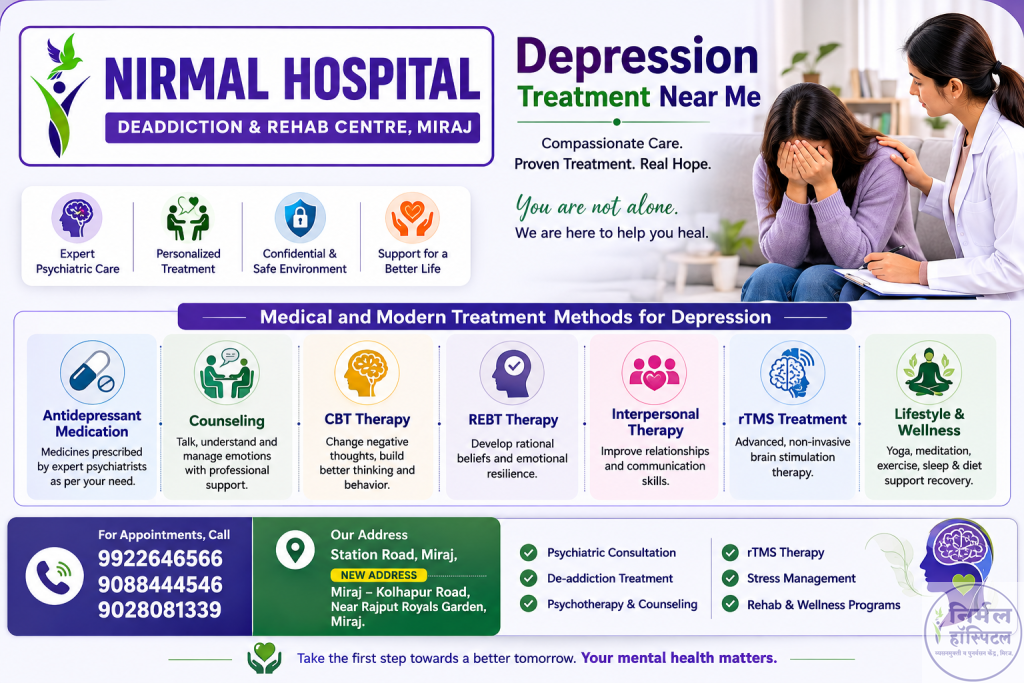
Treatment for depression is individualized according to the person’s symptoms, severity, diagnosis, medical history, and overall health.
If you are searching online for depression treatment near me, it is important to understand that treatment should always be based on a professional psychiatric evaluation rather than self-diagnosis.
Depending on the individual’s condition, treatment may include:
- Antidepressant medication
- Psychotherapy
- Counseling
- CBT
- REBT
- Interpersonal Therapy
- rTMS
- Lifestyle and supportive interventions
1. Pharmacotherapy / Antidepressants
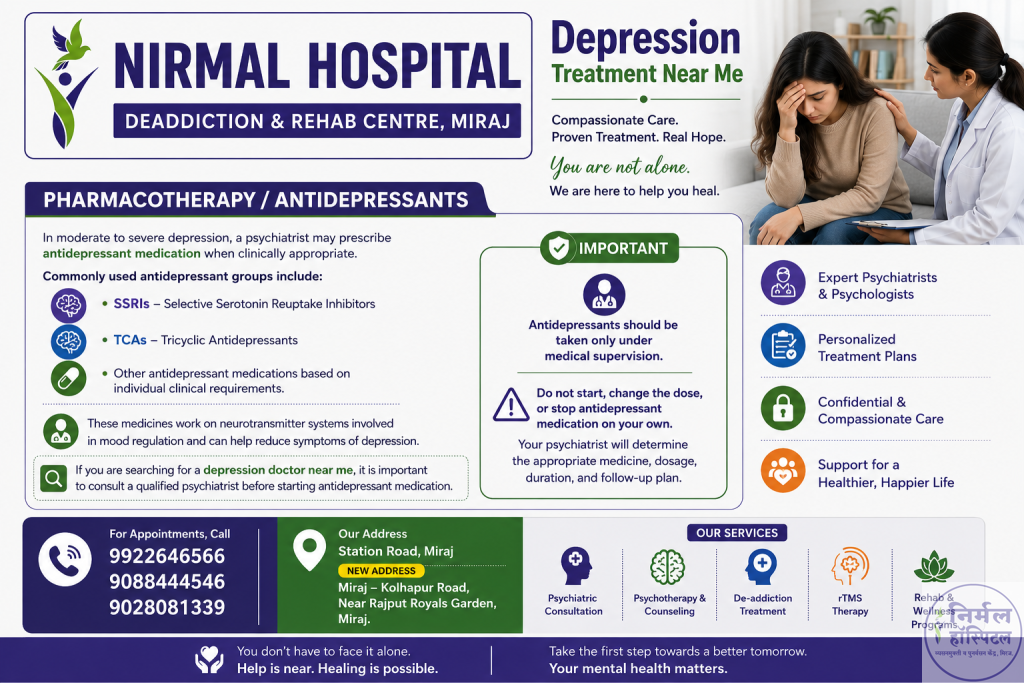
In moderate to severe depression, a psychiatrist may prescribe antidepressant medication when clinically appropriate.
Commonly used antidepressant groups include:
- SSRIs – Selective Serotonin Reuptake Inhibitors
- TCAs – Tricyclic Antidepressants
- Other antidepressant medications based on individual clinical requirements
These medicines work on neurotransmitter systems involved in mood regulation and can help reduce symptoms of depression.
If you are searching for a depression doctor near me, it is important to consult a qualified psychiatrist before starting antidepressant medication.
Important
Antidepressants should be taken only under medical supervision.
Do not start, change the dose, or stop antidepressant medication on your own. Your psychiatrist will determine the appropriate medicine, dosage, duration, and follow-up plan.
2. rTMS Treatment for Depression
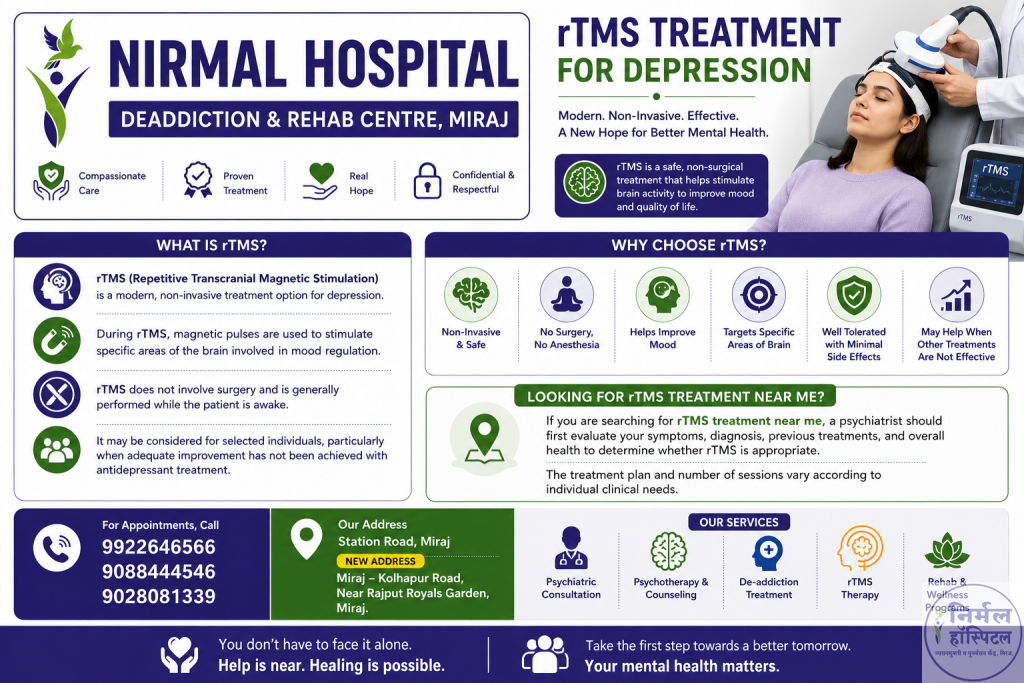
rTMS (Repetitive Transcranial Magnetic Stimulation) is a modern, non-invasive treatment option for depression.
During rTMS, magnetic pulses are used to stimulate specific areas of the brain involved in mood regulation.
rTMS does not involve surgery and is generally performed while the patient is awake.
It may be considered for selected individuals, particularly when adequate improvement has not been achieved with antidepressant treatment.
Looking for rTMS Treatment Near Me?
If you are searching for rTMS treatment near me, a psychiatrist should first evaluate your symptoms, diagnosis, previous treatments, and overall health to determine whether rTMS is appropriate.
The treatment plan and number of sessions vary according to individual clinical needs.
Psychotherapy and Counseling for Depression
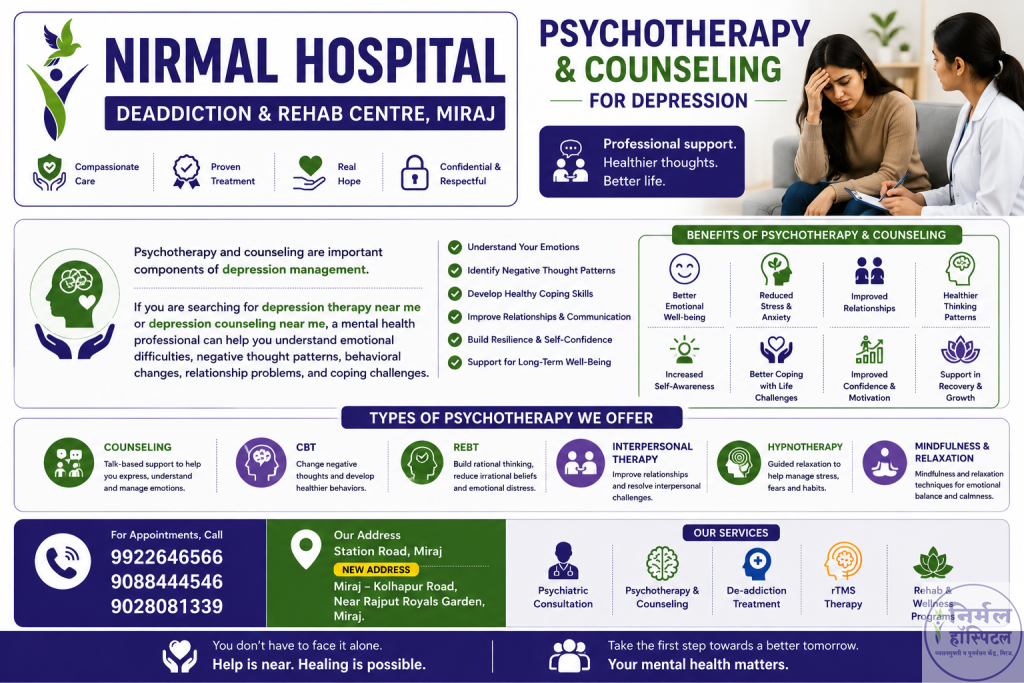
Psychotherapy and counseling are important components of depression management.
If you are searching for depression therapy near me or depression counseling near me, a mental health professional can help you understand emotional difficulties, negative thought patterns, behavioral changes, relationship problems, and coping challenges.
1. Counseling
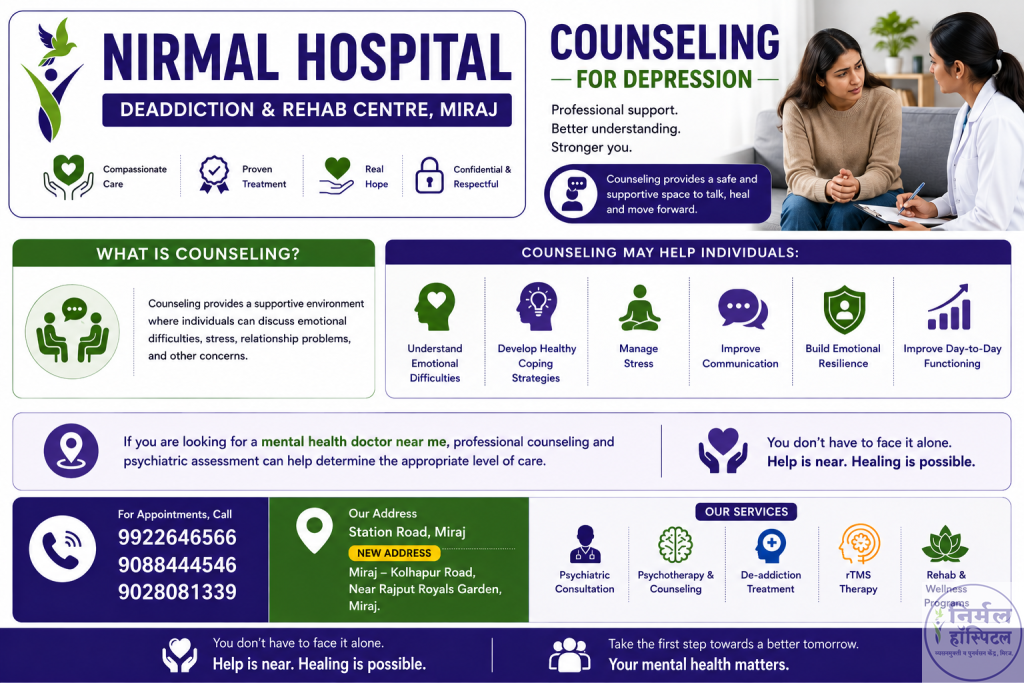
Counseling provides a supportive environment where individuals can discuss emotional difficulties, stress, relationship problems, and other concerns.
Counseling may help individuals:
- Understand emotional difficulties
- Develop healthy coping strategies
- Manage stress
- Improve communication
- Build emotional resilience
- Improve day-to-day functioning
If you are looking for a mental health doctor near me, professional counseling and psychiatric assessment can help determine the appropriate level of care.
2. CBT – Cognitive Behavioural Therapy
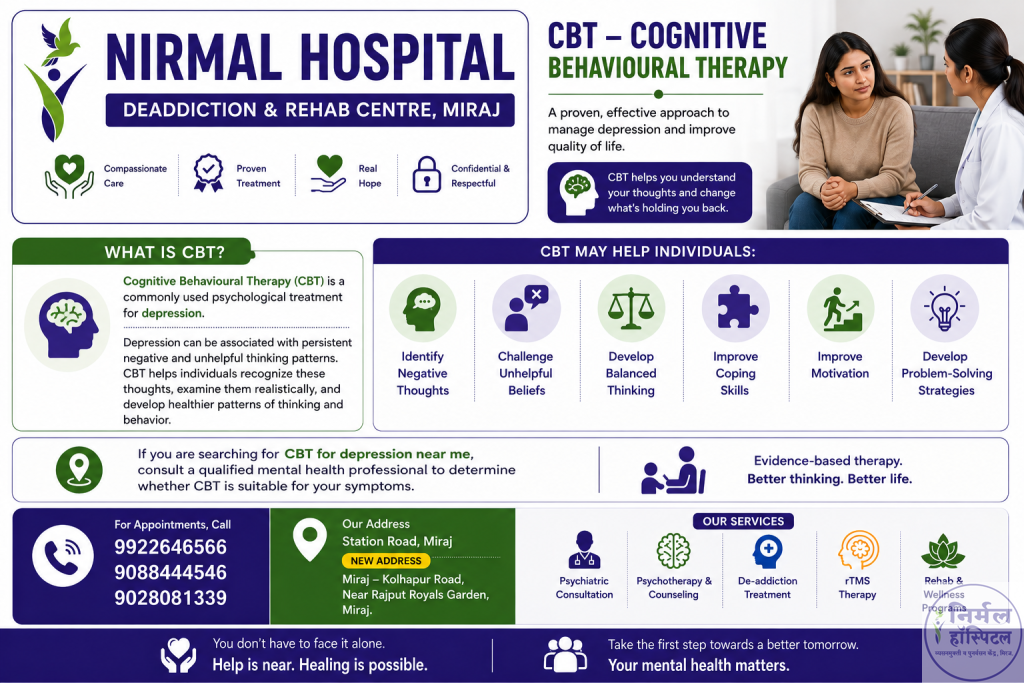
Cognitive Behavioural Therapy (CBT) is a commonly used psychological treatment for depression.
Depression can be associated with persistent negative and unhelpful thinking patterns. CBT helps individuals recognize these thoughts, examine them realistically, and develop healthier patterns of thinking and behavior.
CBT may help individuals:
- Identify negative thoughts
- Challenge unhelpful beliefs
- Develop balanced thinking
- Improve coping skills
- Improve motivation
- Develop problem-solving strategies
If you are searching for CBT for depression near me, consult a qualified mental health professional to determine whether CBT is suitable for your symptoms.
3. REBT – Rational Emotive Behaviour Therapy
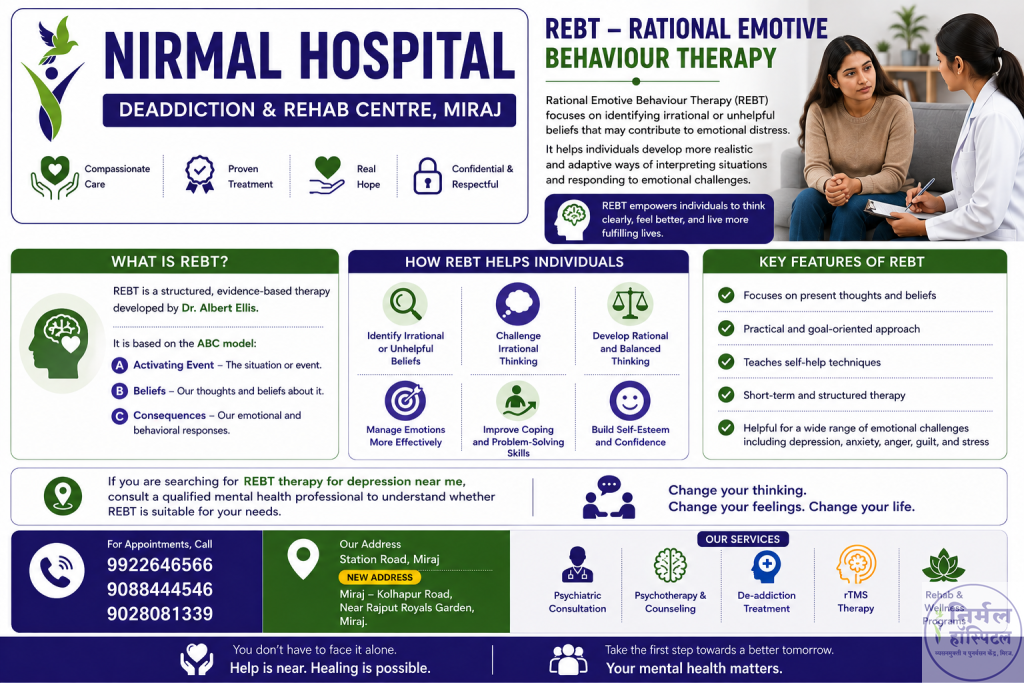
Rational Emotive Behaviour Therapy (REBT) focuses on identifying irrational or unhelpful beliefs that may contribute to emotional distress.
It helps individuals develop more realistic and adaptive ways of interpreting situations and responding to emotional challenges.
4. Interpersonal Therapy (IPT)
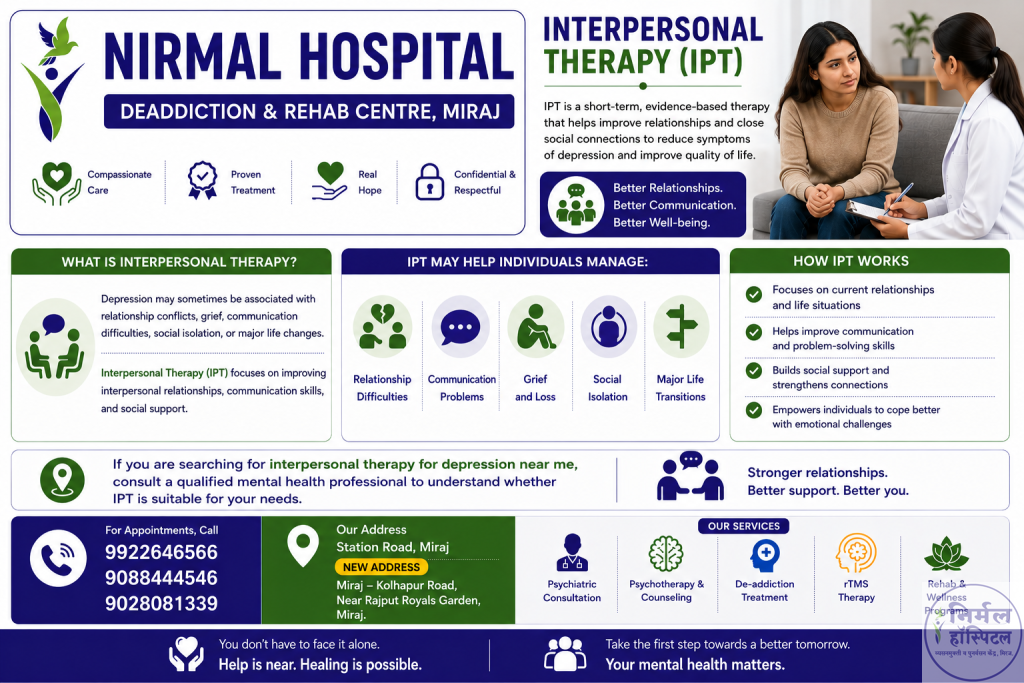
Depression may sometimes be associated with relationship conflicts, grief, communication difficulties, social isolation, or major life changes.
Interpersonal Therapy (IPT) focuses on improving interpersonal relationships, communication skills, and social support.
It may help individuals manage:
- Relationship difficulties
- Communication problems
- Grief and loss
- Social isolation
- Major life transitions
5. Hypnotherapy
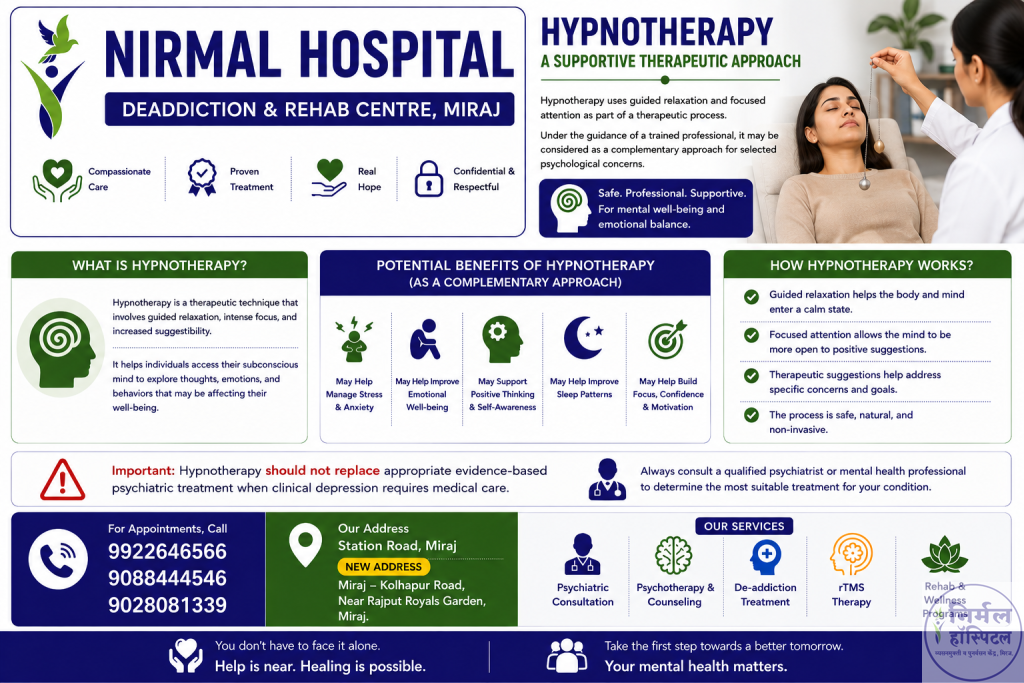
Hypnotherapy uses guided relaxation and focused attention as part of a therapeutic process.
Under the guidance of a trained professional, it may be considered as a complementary approach for selected psychological concerns.
Hypnotherapy should not replace appropriate evidence-based psychiatric treatment when clinical depression requires medical care.
Lifestyle Changes and Complementary Approaches
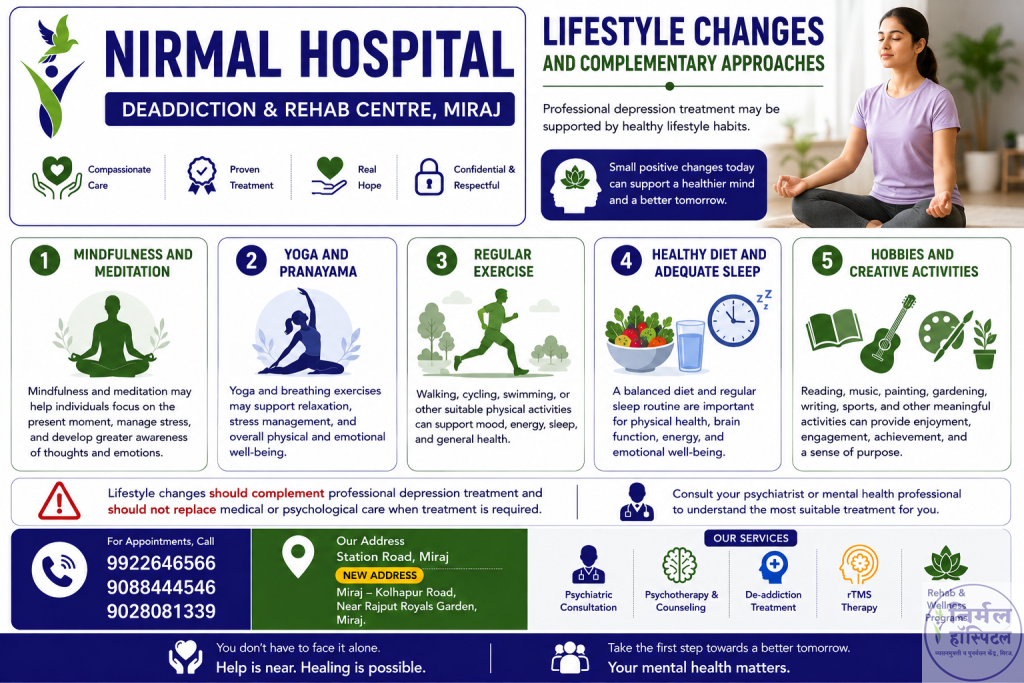
Professional depression treatment may be supported by healthy lifestyle habits.
1. Mindfulness and Meditation
Mindfulness and meditation may help individuals focus on the present moment, manage stress, and develop greater awareness of thoughts and emotions.
2. Yoga and Pranayama
Yoga and breathing exercises may support relaxation, stress management, and overall physical and emotional well-being.
3. Regular Exercise
Walking, cycling, swimming, or other suitable physical activities can support mood, energy, sleep, and general health.
4. Healthy Diet and Adequate Sleep
A balanced diet and regular sleep routine are important for physical health, brain function, energy, and emotional well-being.
5. Hobbies and Creative Activities
Reading, music, painting, gardening, writing, sports, and other meaningful activities can provide enjoyment, engagement, achievement, and a sense of purpose.
Lifestyle changes should complement professional depression treatment and should not replace medical or psychological care when treatment is required.
Impact of Depression on Daily Life
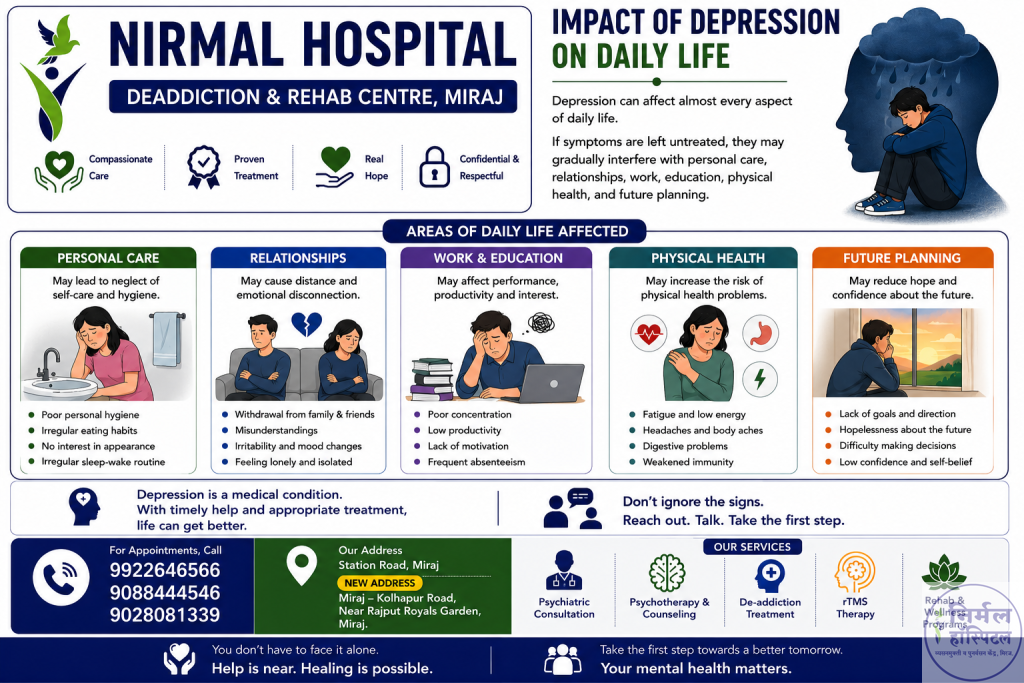
Depression can affect almost every aspect of daily life. If symptoms are left untreated, they may gradually interfere with personal care, relationships, work, education, physical health, and future planning.
1. Neglect of Self-Care
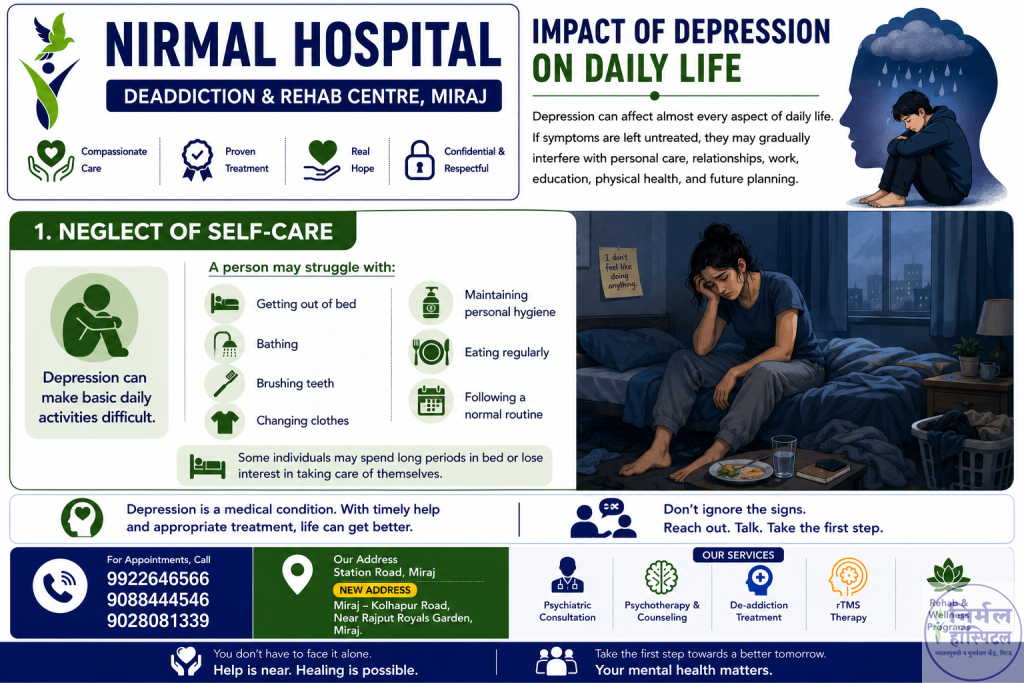
Depression can make basic daily activities difficult.
A person may struggle with:
- Getting out of bed
- Bathing
- Brushing teeth
- Changing clothes
- Maintaining personal hygiene
- Eating regularly
- Following a normal routine
Some individuals may spend long periods in bed or lose interest in taking care of themselves.
2. Family and Social Relationships
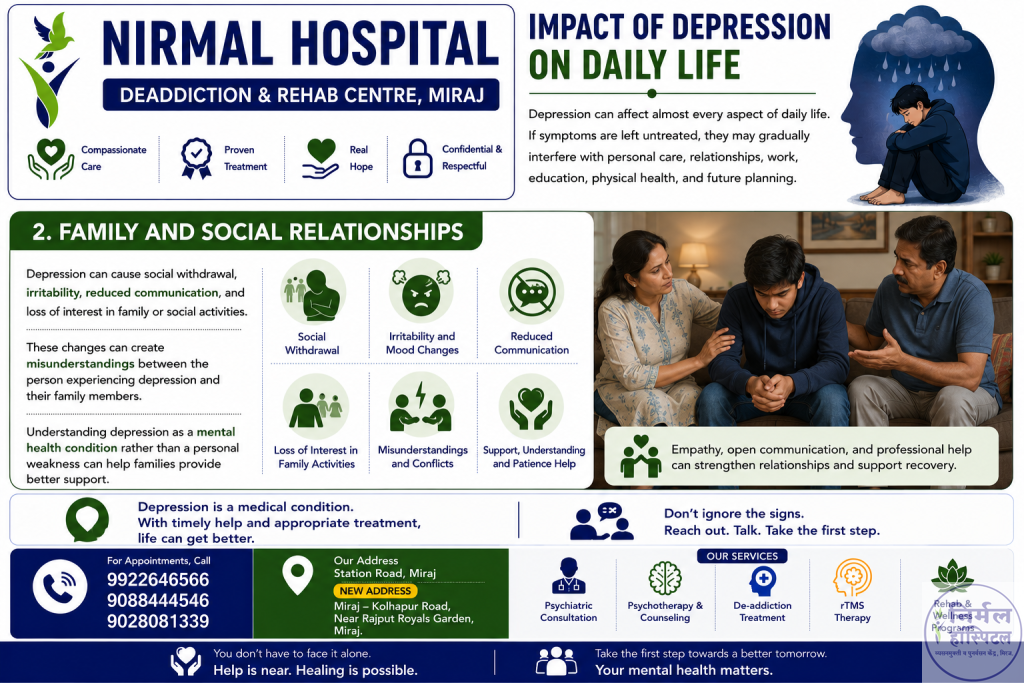
Depression can cause social withdrawal, irritability, reduced communication, and loss of interest in family or social activities.
These changes can create misunderstandings between the person experiencing depression and their family members.
Understanding depression as a mental health condition rather than a personal weakness can help families provide better support.
3. Work and Professional Life
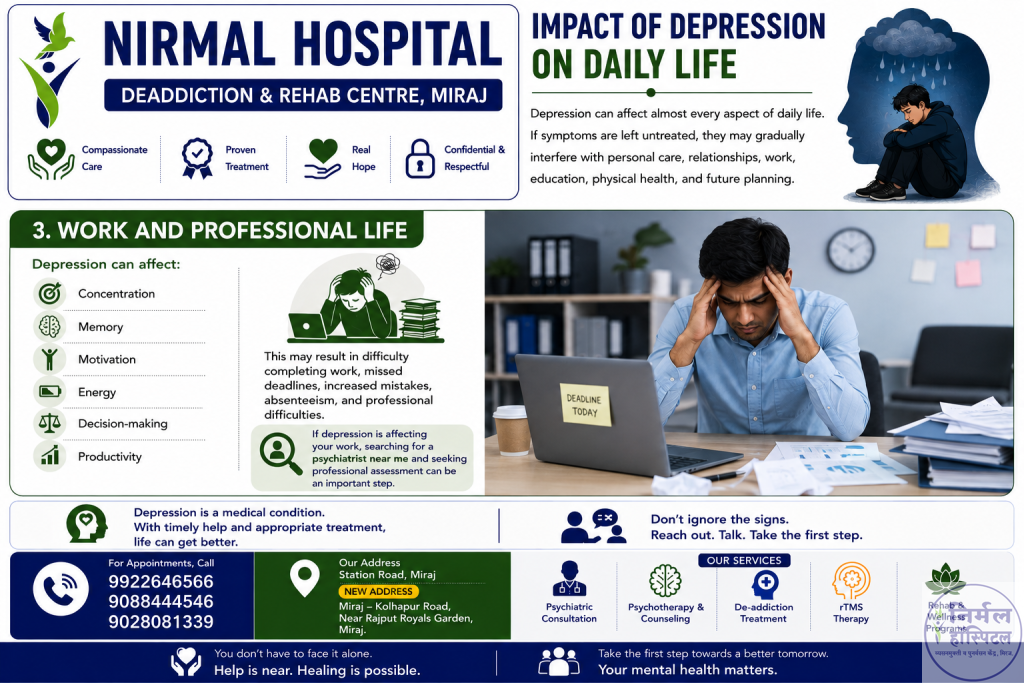
Depression can affect:
- Concentration
- Memory
- Motivation
- Energy
- Decision-making
- Productivity
This may result in difficulty completing work, missed deadlines, increased mistakes, absenteeism, and professional difficulties.
If depression is affecting your work, searching for a psychiatrist near me and seeking professional assessment can be an important step.
4. Academic Difficulties in Students
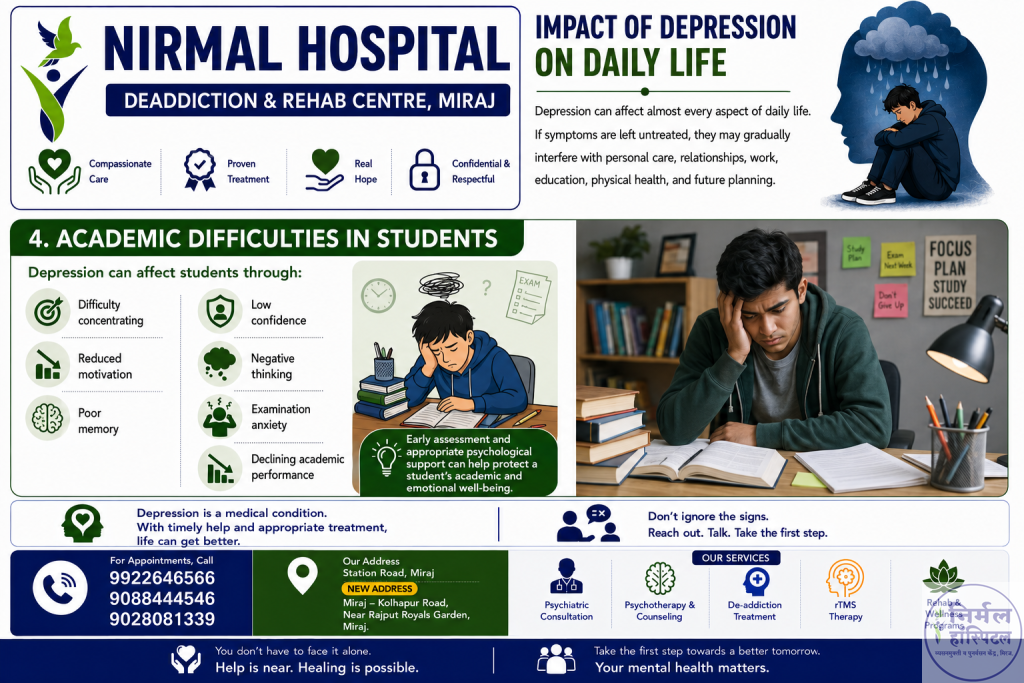
Depression can affect students through:
- Difficulty concentrating
- Reduced motivation
- Poor memory
- Low confidence
- Negative thinking
- Examination anxiety
- Declining academic performance
Early assessment and appropriate psychological support can help protect a student’s academic and emotional well-being.
5. Physical Health Problems
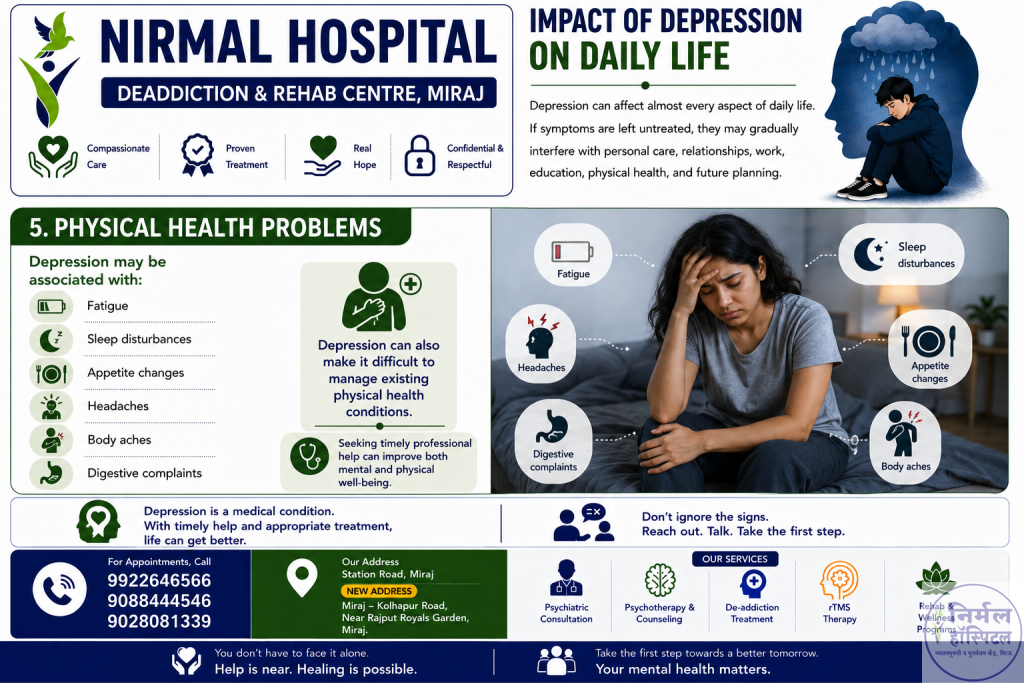
Depression may be associated with:
- Fatigue
- Sleep disturbances
- Appetite changes
- Headaches
- Body aches
- Digestive complaints
Depression can also make it difficult to manage existing physical health conditions.
6. Risk of Substance Use
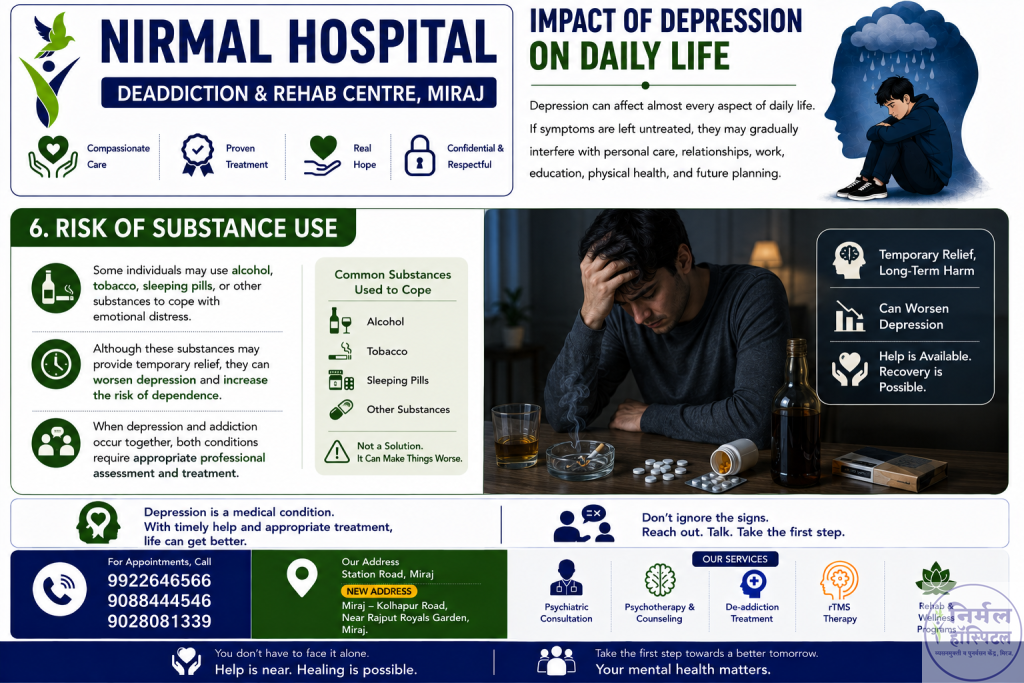
Some individuals may use alcohol, tobacco, sleeping pills, or other substances to cope with emotional distress.
Although these substances may provide temporary relief, they can worsen depression and increase the risk of dependence.
When depression and addiction occur together, both conditions require appropriate professional assessment and treatment.
7. Difficulty Planning for the Future
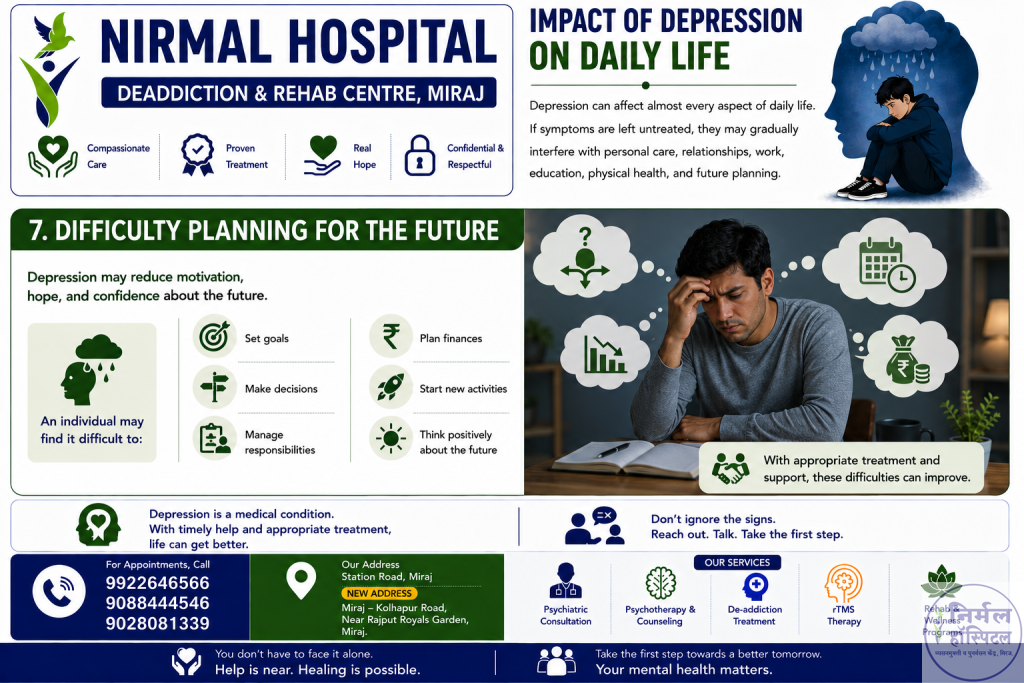
Depression may reduce motivation, hope, and confidence about the future.
An individual may find it difficult to:
- Set goals
- Make decisions
- Manage responsibilities
- Plan finances
- Start new activities
- Think positively about the future
With appropriate treatment and support, these difficulties can improve.
Depression and Suicidal Thoughts
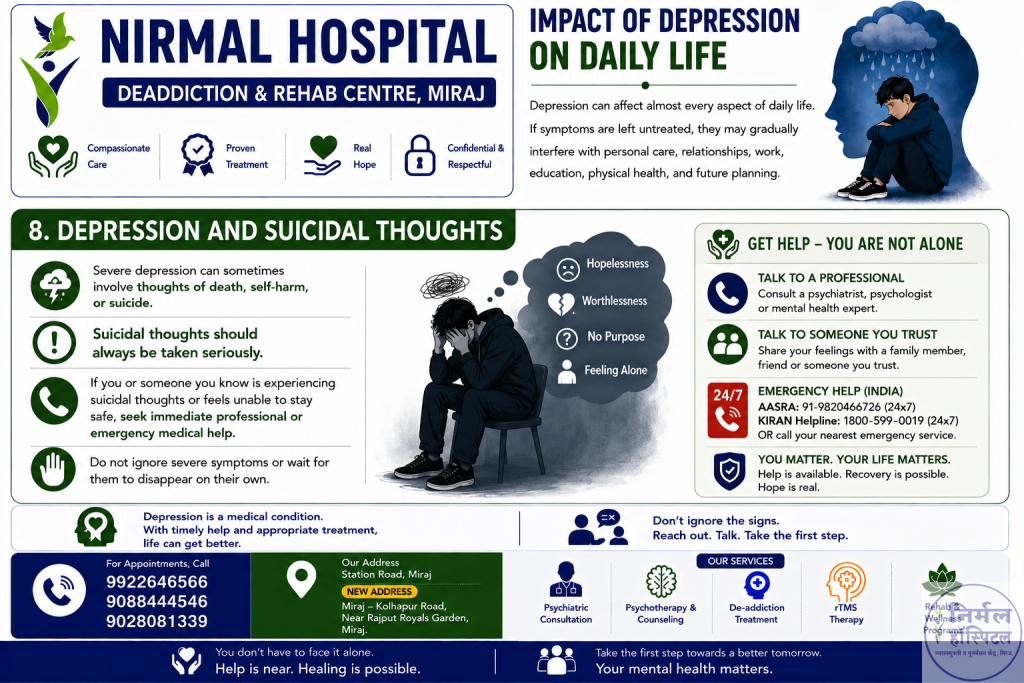
Severe depression can sometimes involve thoughts of death, self-harm, or suicide.
Suicidal thoughts should always be taken seriously.
If you or someone you know is experiencing suicidal thoughts or feels unable to stay safe, seek immediate professional or emergency medical help.
Do not ignore severe symptoms or wait for them to disappear on their own.
A Ray of Hope and the Path to Recovery
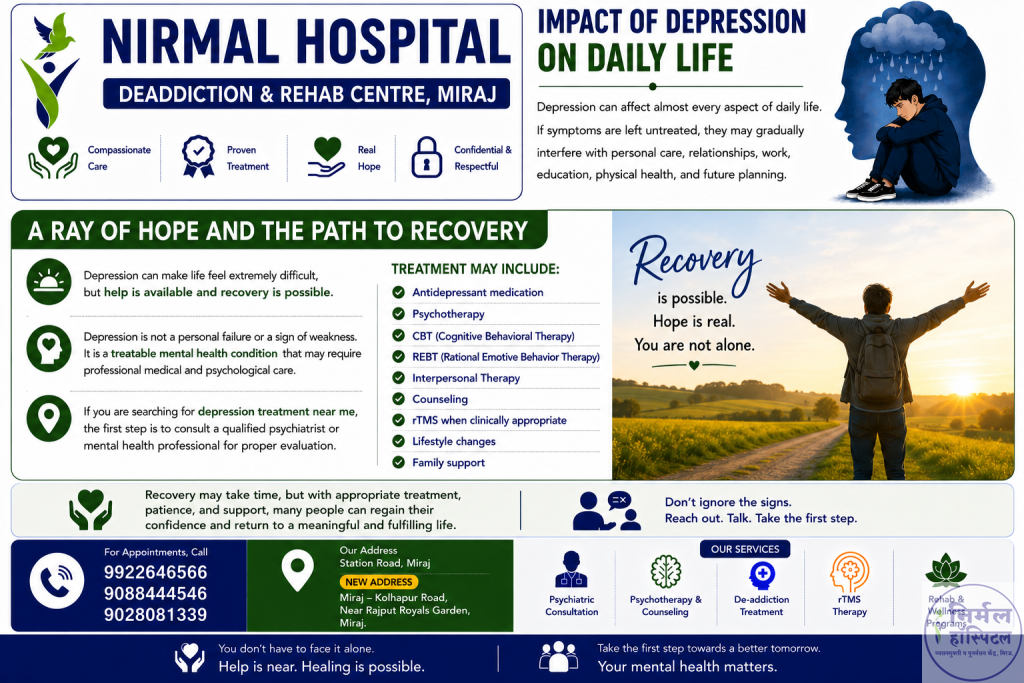
Depression can make life feel extremely difficult, but help is available and recovery is possible.
Depression is not a personal failure or a sign of weakness. It is a treatable mental health condition that may require professional medical and psychological care.
If you are searching for depression treatment near me, the first step is to consult a qualified psychiatrist or mental health professional for proper evaluation.
Treatment may include:
- Antidepressant medication
- Psychotherapy
- CBT
- REBT
- Interpersonal Therapy
- Counseling
- rTMS when clinically appropriate
- Lifestyle changes
- Family support
Recovery may take time, but with appropriate treatment, patience, and support, many people can regain their confidence and return to a meaningful and fulfilling life.
How Family Can Support Someone With Depression
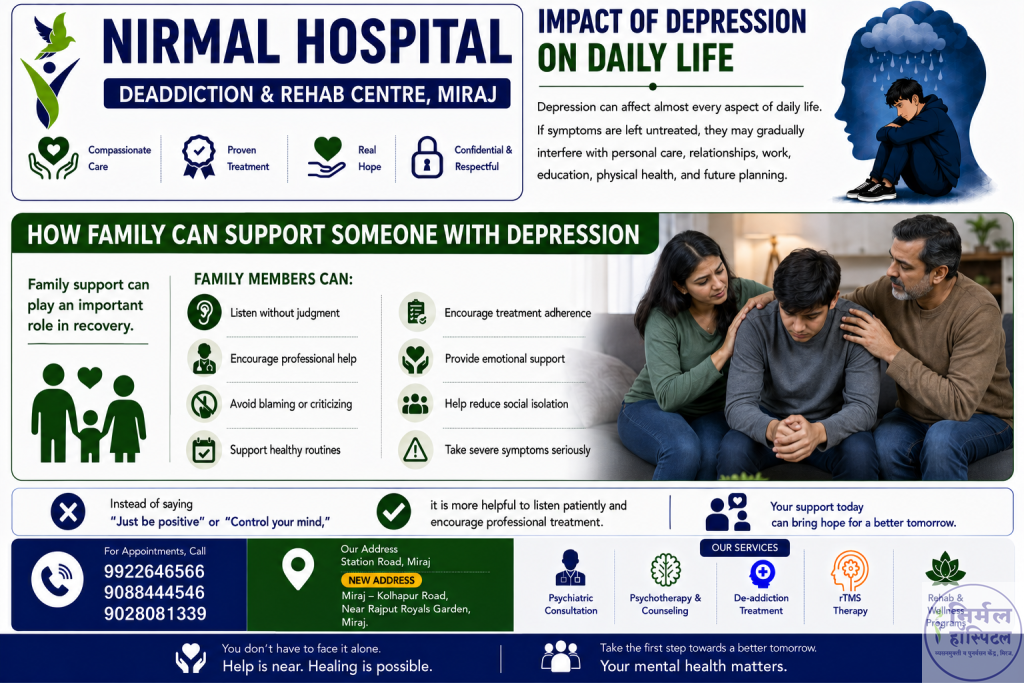
Family support can play an important role in recovery.
Family members can:
- Listen without judgment
- Encourage professional help
- Avoid blaming or criticizing
- Support healthy routines
- Encourage treatment adherence
- Provide emotional support
- Help reduce social isolation
- Take severe symptoms seriously
Instead of saying “Just be positive” or “Control your mind,” it is more helpful to listen patiently and encourage professional treatment.
When Should You Consult a Psychiatrist?
Consider consulting a psychiatrist if:
- Persistent sadness continues
- You lose interest in previously enjoyable activities
- Sleep or appetite changes significantly
- You feel exhausted most of the time
- Concentration becomes difficult
- Work or education is affected
- Relationships are suffering
- You feel worthless or hopeless
- You use substances to cope
- You experience thoughts of death or suicide
If you are searching for a psychiatrist near me, do not delay professional assessment when symptoms are affecting your daily life.
Depression Treatment at Nirmal Hospital, Miraj
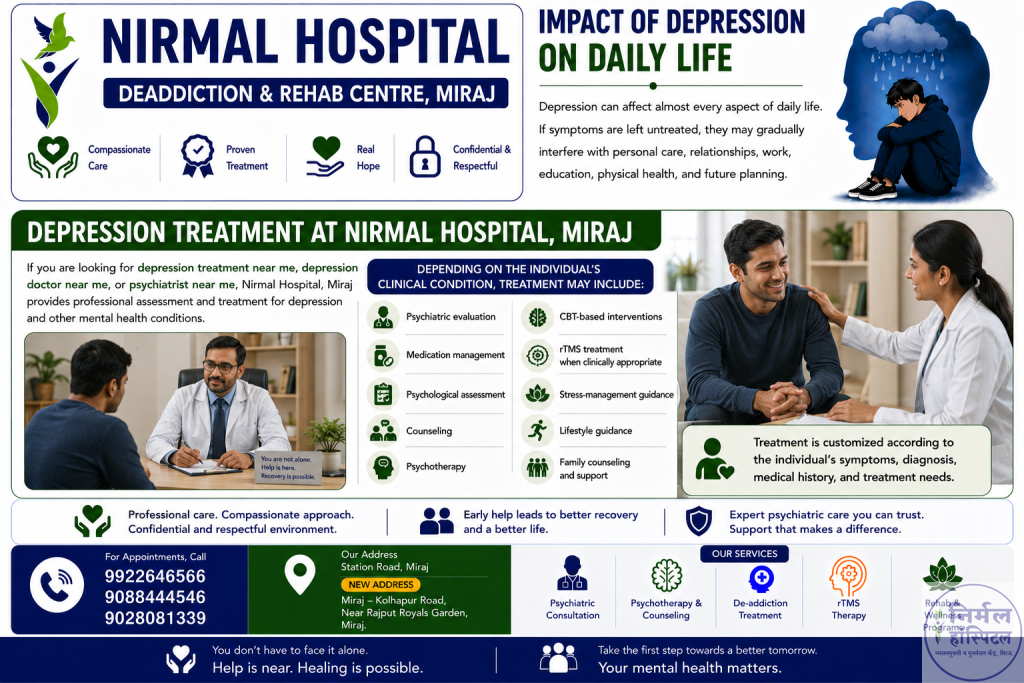
If you are looking for depression treatment near me, depression doctor near me, or psychiatrist near me, Nirmal Hospital, Miraj provides professional assessment and treatment for depression and other mental health conditions.
Depending on the individual’s clinical condition, treatment may include:
- Psychiatric evaluation
- Medication management
- Psychological assessment
- Counseling
- Psychotherapy
- CBT-based interventions
- rTMS treatment when clinically appropriate
- Stress-management guidance
- Lifestyle guidance
- Family counseling and support
Treatment is customized according to the individual’s symptoms, diagnosis, medical history, and treatment needs.
Frequently Asked Questions About Depression
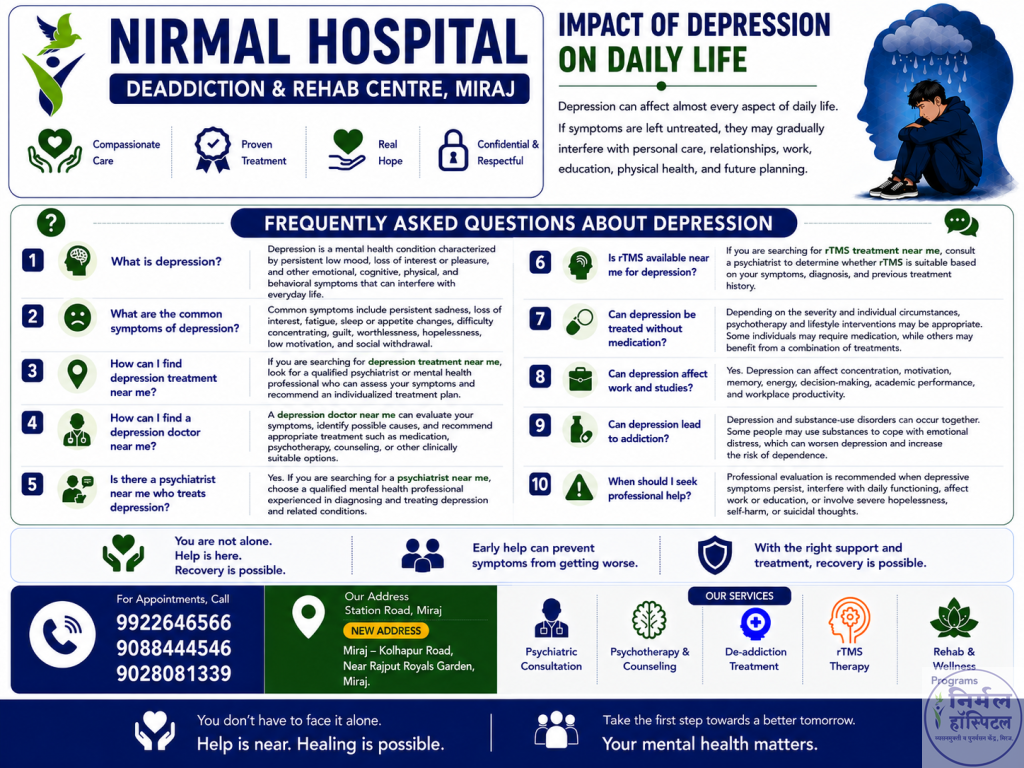
What is depression?
Depression is a mental health condition characterized by persistent low mood, loss of interest or pleasure, and other emotional, cognitive, physical, and behavioral symptoms that can interfere with everyday life.
What are the common symptoms of depression?
Common symptoms include persistent sadness, loss of interest, fatigue, sleep or appetite changes, difficulty concentrating, guilt, worthlessness, hopelessness, low motivation, and social withdrawal.
How can I find depression treatment near me?
If you are searching for depression treatment near me, look for a qualified psychiatrist or mental health professional who can assess your symptoms and recommend an individualized treatment plan.
How can I find a depression doctor near me?
A depression doctor near me can evaluate your symptoms, identify possible causes, and recommend appropriate treatment such as medication, psychotherapy, counseling, or other clinically suitable options.
Is there a psychiatrist near me who treats depression?
Yes. If you are searching for a psychiatrist near me, choose a qualified mental health professional experienced in diagnosing and treating depression and related conditions.
Is rTMS available near me for depression?
If you are searching for rTMS treatment near me, consult a psychiatrist to determine whether rTMS is suitable based on your symptoms, diagnosis, and previous treatment history.
Can depression be treated without medication?
Depending on the severity and individual circumstances, psychotherapy and lifestyle interventions may be appropriate. Some individuals may require medication, while others may benefit from a combination of treatments.
Can depression affect work and studies?
Yes. Depression can affect concentration, motivation, memory, energy, decision-making, academic performance, and workplace productivity.
Can depression lead to addiction?
Depression and substance-use disorders can occur together. Some people may use substances to cope with emotional distress, which can worsen depression and increase the risk of dependence.
When should I seek professional help?
Professional evaluation is recommended when depressive symptoms persist, interfere with daily functioning, affect work or education, or involve severe hopelessness, self-harm, or suicidal thoughts.
Take the First Step Toward Better Mental Health
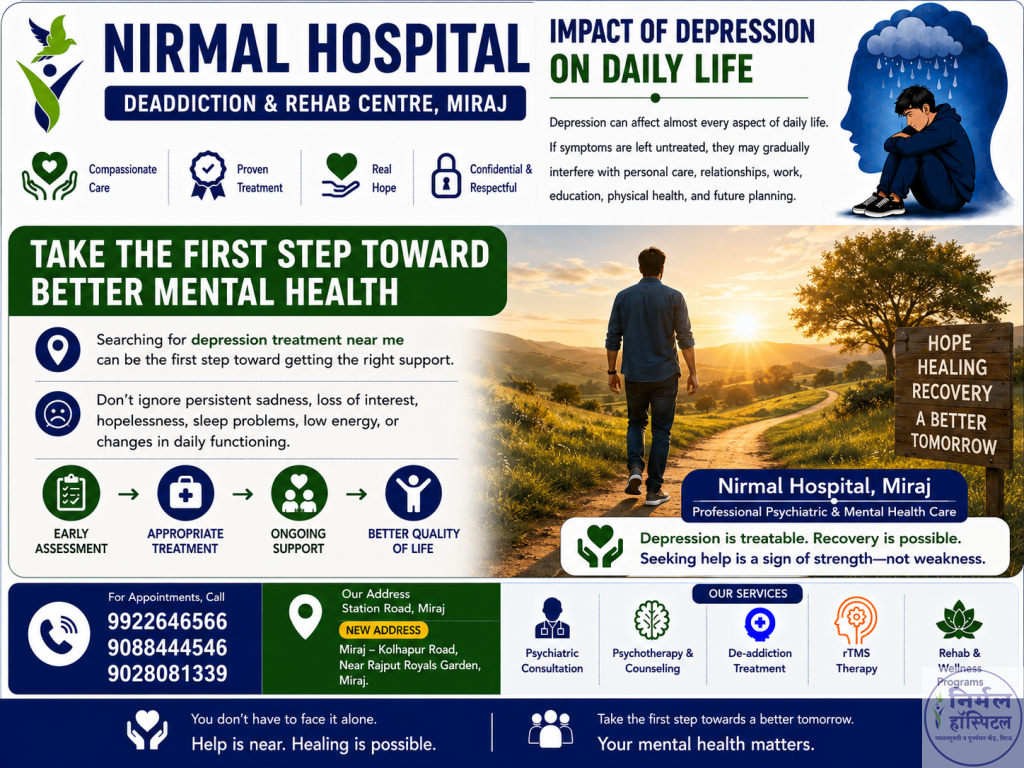
Searching for depression treatment near me can be the first step toward getting the right support.
Don’t ignore persistent sadness, loss of interest, hopelessness, sleep problems, low energy, or changes in daily functioning.
Early Assessment → Appropriate Treatment → Ongoing Support → Better Quality of Life
Nirmal Hospital, Miraj
Professional Psychiatric & Mental Health Care
Depression is treatable. Recovery is possible. Seeking help is a sign of strength—not weakness.


