

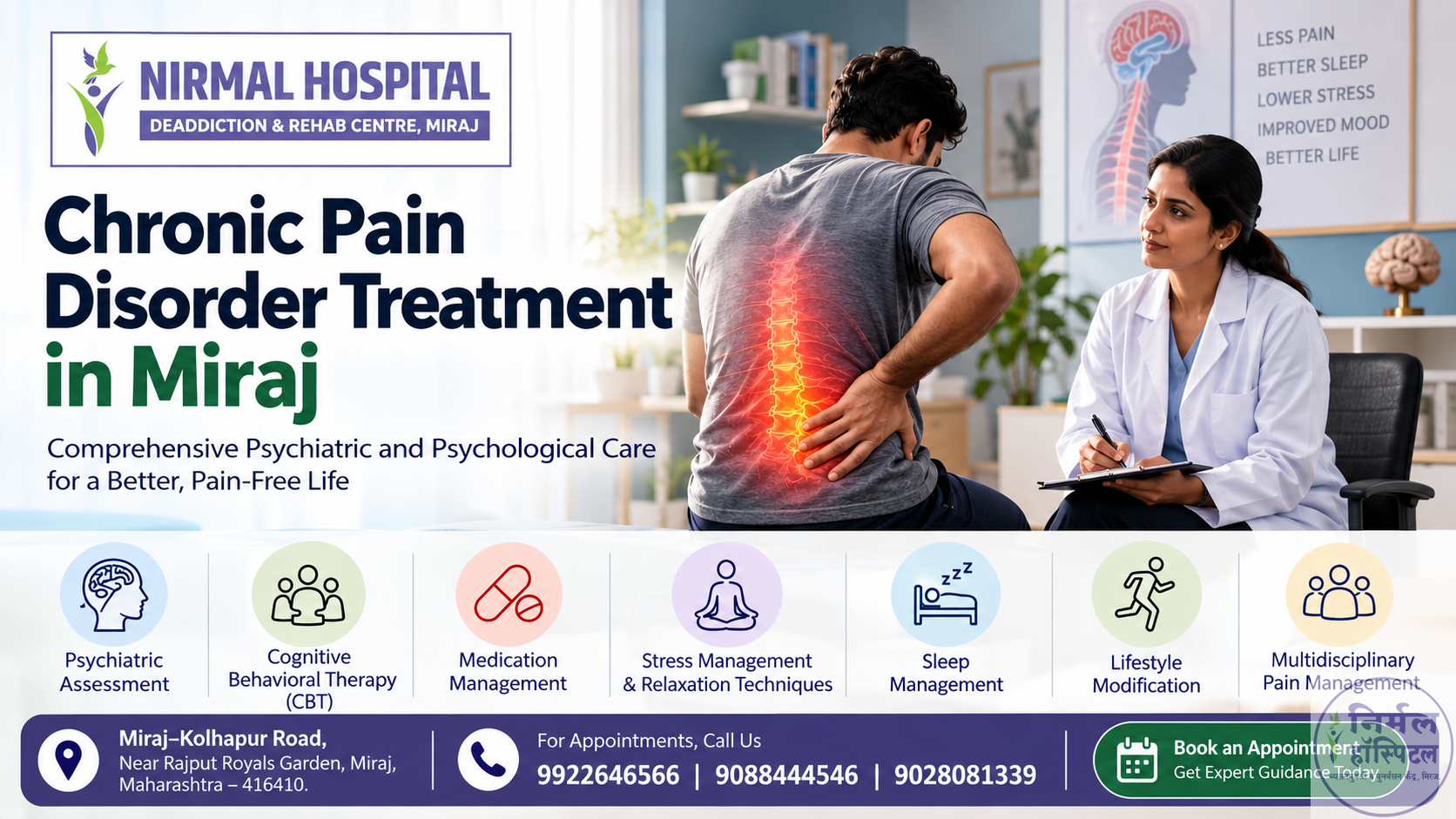
Chronic Pain Disorder Treatment in Miraj: 7 Effective Approaches
Chronic Pain Disorder Treatment in Miraj at Nirmal Hospital focuses on understanding the relationship between persistent physical pain, emotional well-being, sleep disturbances and daily functioning. Chronic pain can affect a person’s physical health, mental health, relationships and overall quality of life.
At Nirmal Hospital, Miraj, psychiatric assessment and psychological support may form part of an individualized, multidisciplinary approach to chronic pain management, alongside appropriate medical care.
What Is Chronic Pain Disorder?
Chronic pain refers to pain that persists or recurs for more than three months. It may involve the back, neck, joints, muscles, head or other parts of the body.
Persistent pain can occur due to medical conditions, injuries, neurological disorders or other factors. Psychological factors such as stress, anxiety and depression may influence pain perception and coping, but this does not mean that the pain is imaginary.
Chronic pain requires a comprehensive assessment to identify possible causes and determine suitable treatment strategies.
When Should You Seek Chronic Pain Disorder Treatment in Miraj?
Professional evaluation may be helpful when persistent pain interferes with everyday activities or emotional well-being.
Common concerns include:
- Pain lasting longer than three months
- Frequent headaches or persistent muscle discomfort
- Sleep disturbances associated with pain
- Difficulty concentrating or completing daily activities
- Anxiety, frustration or low mood related to persistent pain
- Reduced participation in work, family or social activities
- Difficulty coping with ongoing physical discomfort
Early assessment can help identify treatable conditions and reduce the impact of chronic pain on daily life.
7 Approaches to Chronic Pain Disorder Treatment in Miraj
1. Comprehensive Psychiatric Assessment
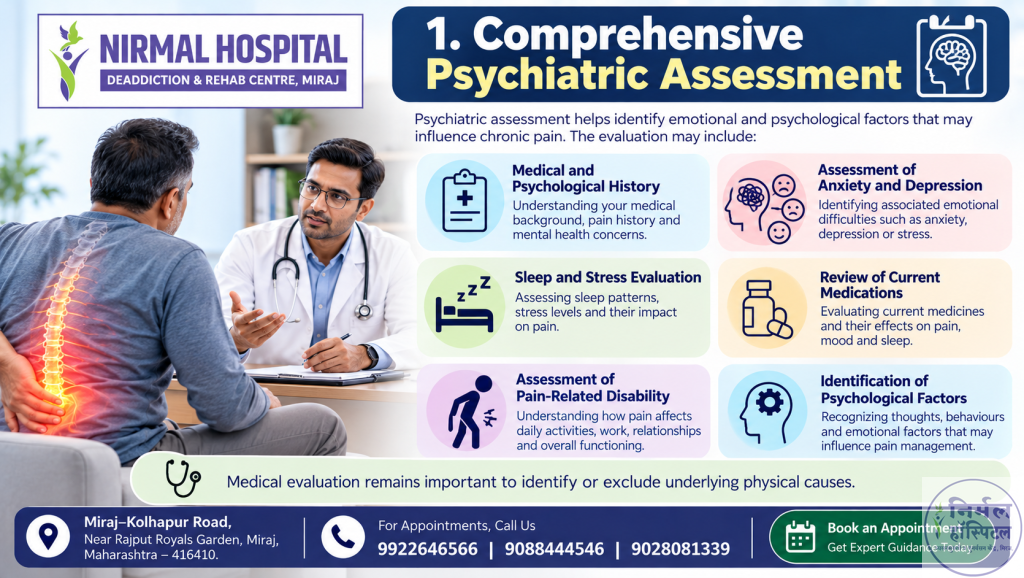
Psychiatric assessment helps identify emotional and psychological factors that may influence chronic pain.
The evaluation may include:
- Medical and psychological history
- Assessment of anxiety and depression
- Sleep and stress evaluation
- Review of current medications
- Assessment of pain-related disability
- Identification of psychological factors affecting pain management
Medical evaluation remains important to identify or exclude underlying physical causes.
2. Cognitive Behavioral Therapy (CBT)
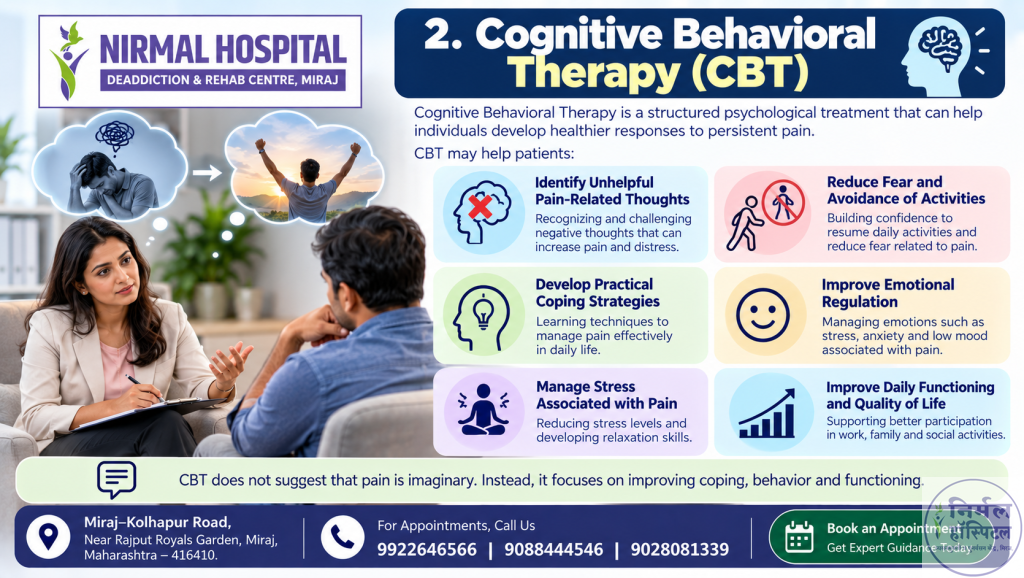
Cognitive Behavioral Therapy is a structured psychological treatment that can help individuals develop healthier responses to persistent pain.
CBT may help patients:
- Identify unhelpful pain-related thoughts
- Reduce fear and avoidance of activities
- Develop practical coping strategies
- Improve emotional regulation
- Manage stress associated with pain
- Improve daily functioning and quality of life
CBT does not suggest that pain is imaginary. Instead, it focuses on improving coping, behavior and functioning.
3. Medication Management
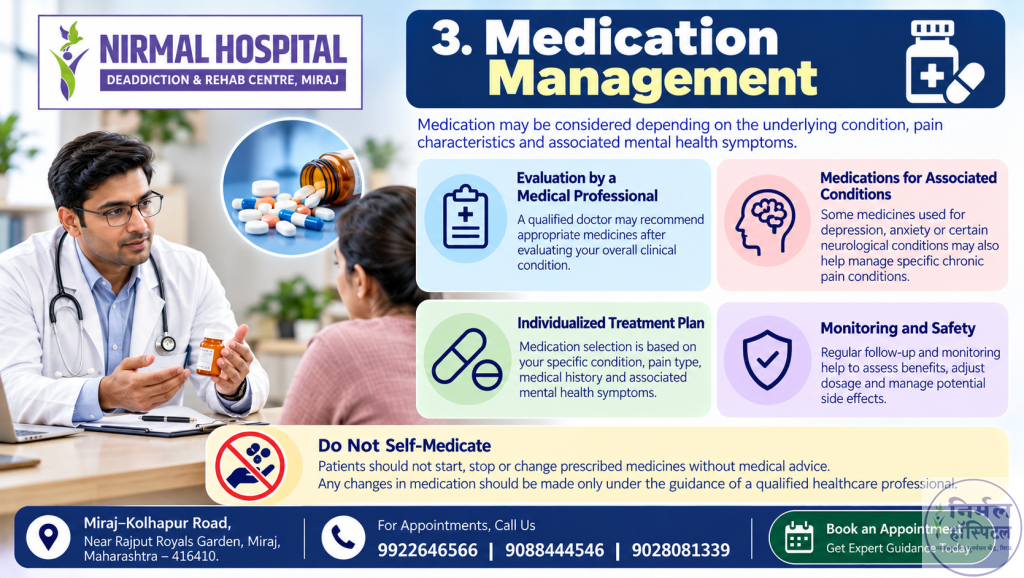
Medication may be considered depending on the underlying condition, pain characteristics and associated mental health symptoms.
A qualified medical professional may recommend appropriate medicines after evaluating the patient’s clinical condition.
Some medications used for depression or certain neurological conditions may also help manage specific chronic pain conditions.
Medication selection requires individualized assessment, consideration of potential side effects and regular medical monitoring.
Patients should not start, stop or change prescribed medicines without medical advice.
4. Stress Management and Relaxation Techniques
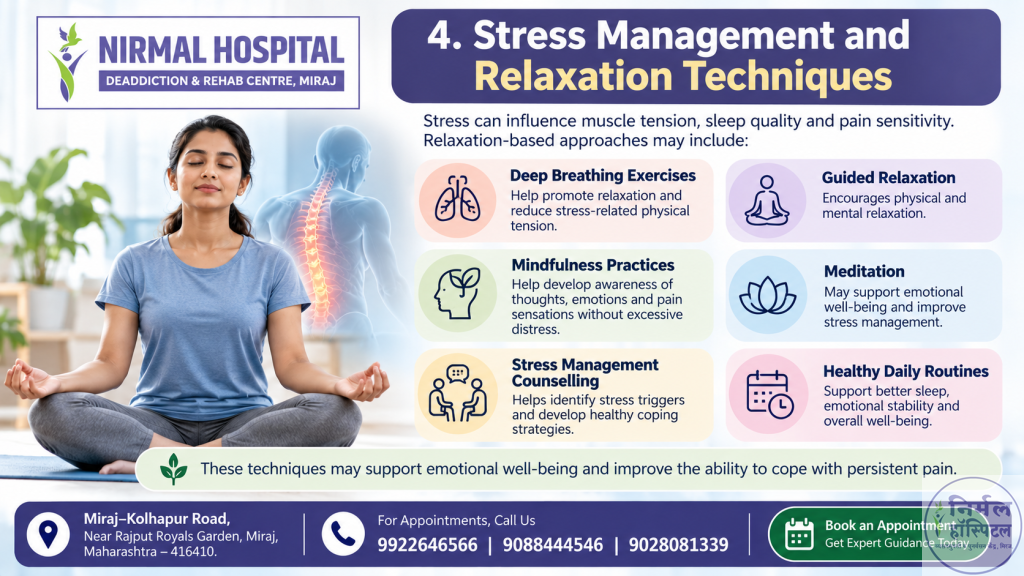
Stress can influence muscle tension, sleep quality and pain sensitivity.
Relaxation-based approaches may include:
- Deep breathing exercises
- Guided relaxation
- Mindfulness practices
- Meditation
- Stress management counselling
- Healthy daily routines
These techniques may support emotional well-being and improve the ability to cope with persistent pain.
5. Sleep Management
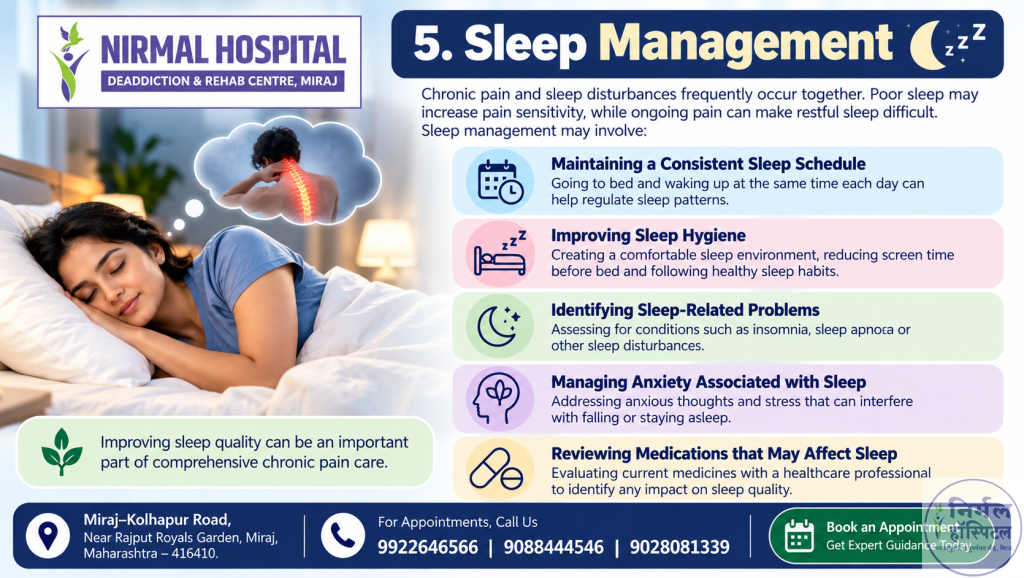
Chronic pain and sleep disturbances frequently occur together. Poor sleep may increase pain sensitivity, while ongoing pain can make restful sleep difficult.
Sleep management may involve:
- Maintaining a consistent sleep schedule
- Improving sleep hygiene
- Identifying sleep-related problems
- Managing anxiety associated with sleep
- Reviewing medications that may affect sleep
Improving sleep quality can be an important part of comprehensive chronic pain care.
6. Lifestyle Modification and Physical Activity
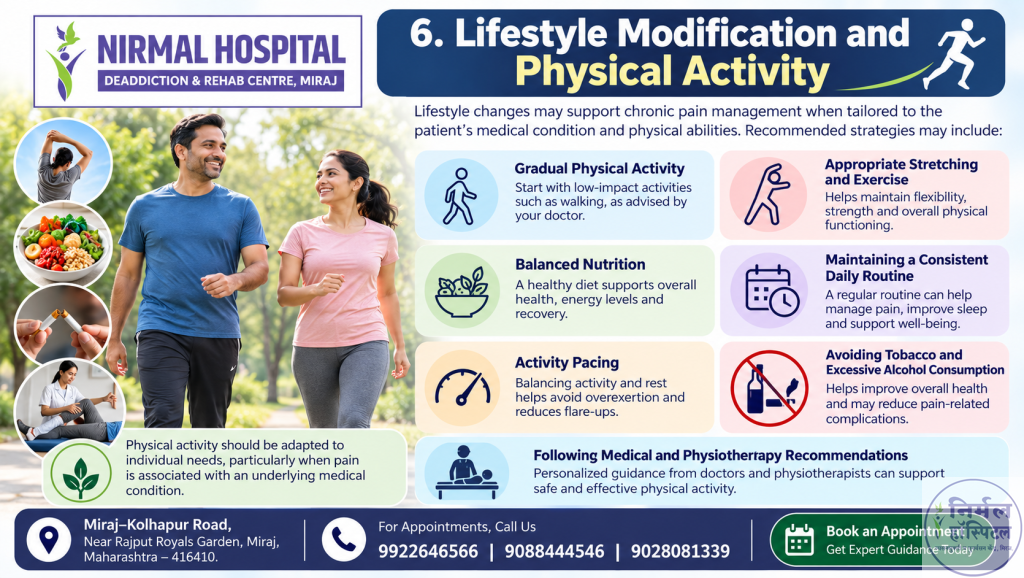
Lifestyle changes may support chronic pain management when tailored to the patient’s medical condition and physical abilities.
Recommended strategies may include:
- Gradual physical activity
- Appropriate stretching and exercise
- Balanced nutrition
- Maintaining a consistent daily routine
- Activity pacing
- Avoiding tobacco and excessive alcohol consumption
- Following medical and physiotherapy recommendations
Physical activity should be adapted to individual needs, particularly when pain is associated with an underlying medical condition.
7. Multidisciplinary Pain Management
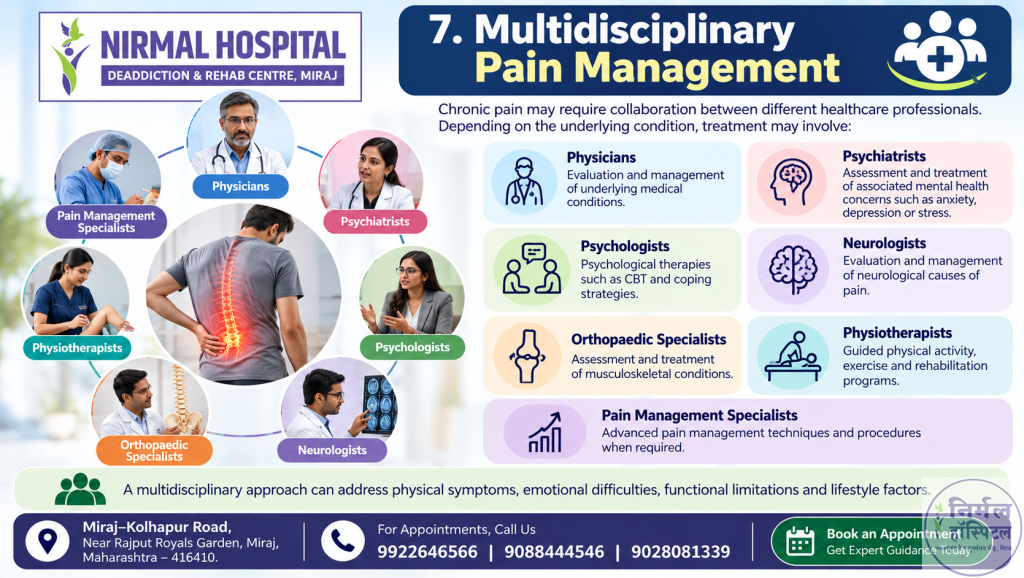
Chronic pain may require collaboration between different healthcare professionals.
Depending on the underlying condition, treatment may involve:
- Physicians
- Psychiatrists
- Psychologists
- Neurologists
- Orthopaedic specialists
- Physiotherapists
- Pain management specialists
A multidisciplinary approach can address physical symptoms, emotional difficulties, functional limitations and lifestyle factors.
Benefits of Chronic Pain Disorder Treatment in Miraj
Appropriate treatment and psychological support may help individuals:
- Develop better pain-coping strategies
- Manage associated anxiety and depression
- Improve sleep quality
- Reduce pain-related fear and avoidance
- Increase participation in daily activities
- Improve emotional well-being
- Enhance overall quality of life
Treatment outcomes vary according to the underlying diagnosis, symptom severity and individual circumstances.
Chronic Pain and Mental Health
Persistent pain can affect mental health, while emotional distress may influence the experience of pain.
People living with chronic pain may experience anxiety, depressive symptoms, irritability, sleep problems or difficulty concentrating.
Addressing these concerns through psychiatric care and psychological interventions may improve coping and overall functioning.
Importantly, psychiatric treatment is not a substitute for investigating and managing physical causes of pain.
Chronic Pain Disorder Treatment at Nirmal Hospital, Miraj
Nirmal Hospital, Miraj, provides psychiatric and mental health services that may support individuals experiencing emotional difficulties associated with persistent pain.
Assessment may help identify psychological factors, associated mental health conditions and suitable treatment options.
Where necessary, patients may be advised to seek additional medical or specialist evaluation as part of comprehensive chronic pain management.
The goal is to support emotional well-being, improve coping skills and encourage better day-to-day functioning.
Frequently Asked Questions
Is chronic pain always caused by psychological problems?
No. Chronic pain may result from physical, neurological, inflammatory or other medical conditions. Psychological factors can influence pain experiences but are not necessarily the primary cause.
Can CBT help people with chronic pain?
Yes. CBT can help individuals manage pain-related distress, improve coping strategies and reduce the impact of pain on daily functioning.
Can chronic pain cause anxiety or depression?
Persistent pain may contribute to anxiety, depressive symptoms, frustration and sleep disturbances. These concerns may benefit from professional mental health assessment.
Is medication necessary for every chronic pain patient?
No. Treatment depends on the underlying diagnosis, symptom severity, associated conditions and individual needs.
Where can I seek Chronic Pain Disorder Treatment in Miraj?
Nirmal Hospital, Miraj, offers psychiatric assessment and psychological support for individuals experiencing mental health concerns associated with chronic pain. Evaluation of physical causes and appropriate specialist care may also be required.
Contact Nirmal Hospital, Miraj
For psychiatric consultation and psychological support related to chronic pain, contact:
Nirmal Hospital – Psychiatric, De-Addiction & Rehabilitation Centre
Address: Miraj–Kolhapur Road, Near Rajput Royals Garden, Miraj, Maharashtra – 416410.
Contact: 9922646566 | 9088444546 | 9028081339
Medical Disclaimer: This information is intended for educational purposes only and does not replace professional medical advice, diagnosis or treatment. Persistent, worsening or unexplained pain should be evaluated by a qualified healthcare professional.


