


Alcohol Addiction – Causes, Symptoms, Effects, Withdrawal & Diagnosis
Alcohol addiction, medically known as Alcohol Use Disorder (AUD), is a condition in which a person has difficulty controlling or stopping alcohol use despite experiencing negative effects on their physical health, mental health, family, work or social life.
Alcohol dependence can affect almost every aspect of a person’s life. Early identification, medical assessment and appropriate professional treatment can help reduce complications and support long-term recovery.
What Is Alcohol Addiction?
Alcohol addiction is more than drinking alcohol regularly. It occurs when alcohol use becomes difficult to control and a person continues drinking despite harmful consequences.
A person with alcohol addiction may experience strong cravings, increased tolerance, difficulty reducing alcohol consumption and withdrawal symptoms after stopping or reducing drinking.
Common Features of Alcohol Addiction
-
Difficulty controlling alcohol consumption
-
Repeated unsuccessful attempts to reduce or stop drinking
-
Strong craving for alcohol
-
Spending considerable time obtaining, drinking or recovering from alcohol use
-
Continuing to drink despite physical or mental health problems
-
Needing increasing amounts of alcohol to experience the desired effect
-
Experiencing withdrawal symptoms after reducing or stopping alcohol
-
Neglecting family, work or other responsibilities
-
Continuing alcohol use despite relationship, financial or occupational problems
Causes and Risk Factors of Alcohol Addiction
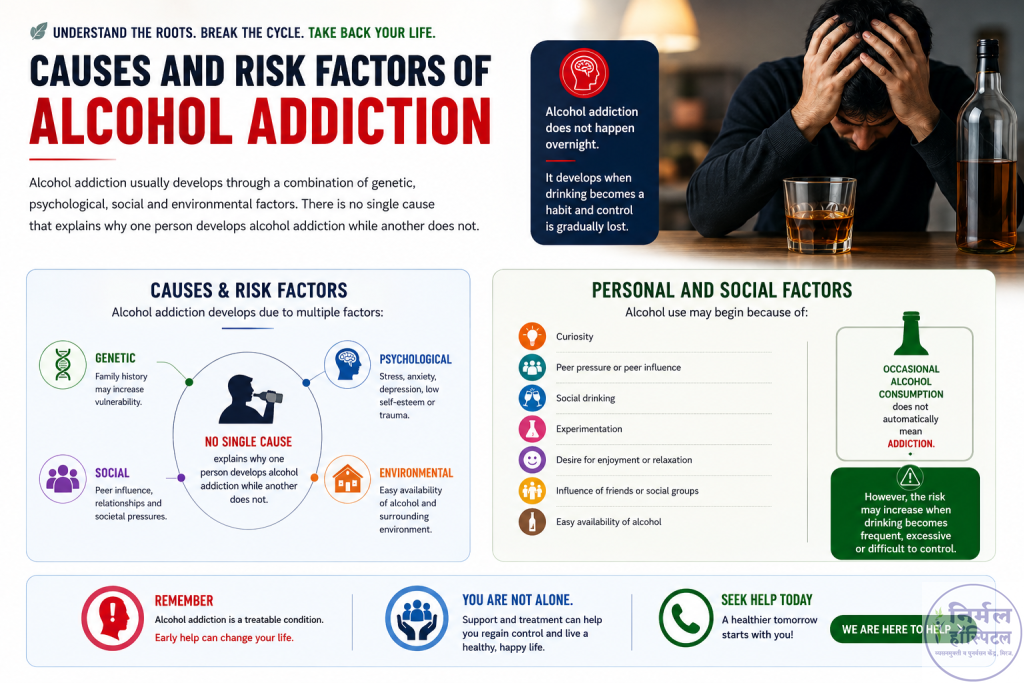
Alcohol addiction usually develops through a combination of genetic, psychological, social and environmental factors. There is no single cause that explains why one person develops alcohol addiction while another does not.
Personal and Social Factors
Alcohol use may begin because of:
-
Curiosity
-
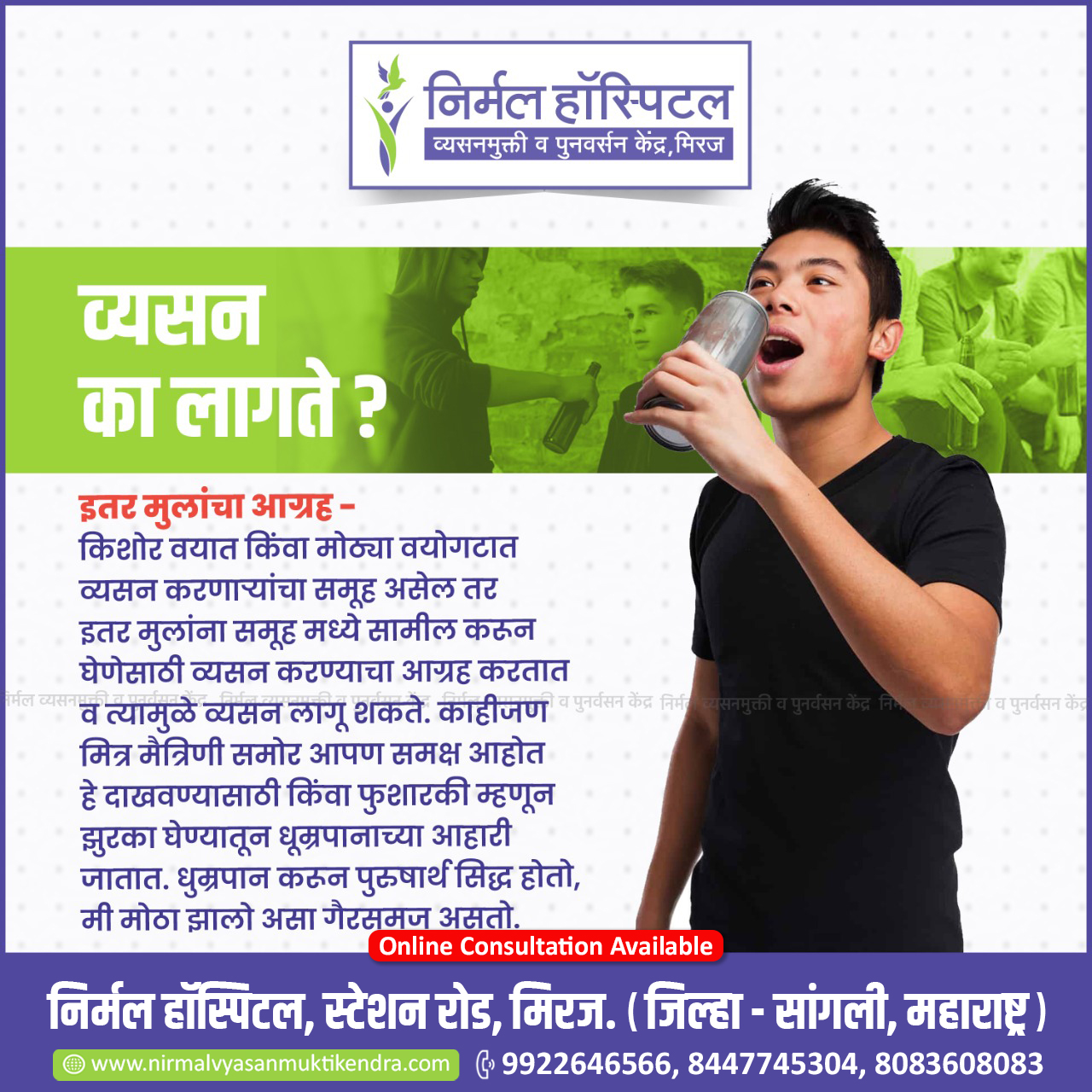
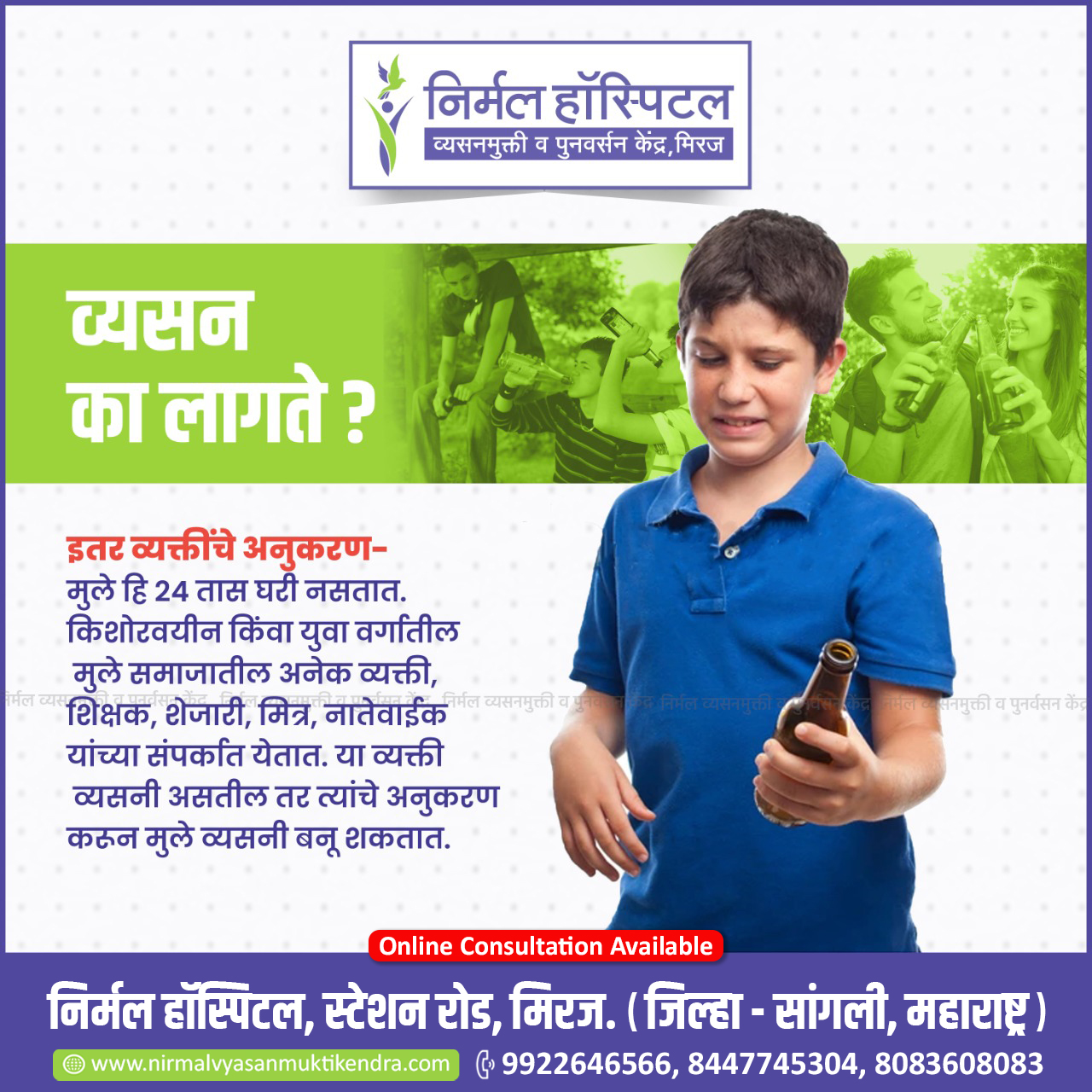
Peer pressure or peer influence
-
Social drinking
-
Experimentation
-
Desire for enjoyment or relaxation
-
Influence of friends or social groups
-
Easy availability of alcohol
Occasional alcohol consumption does not automatically mean addiction. However, the risk may increase when drinking becomes frequent, excessive or difficult to control.
Psychological Factors
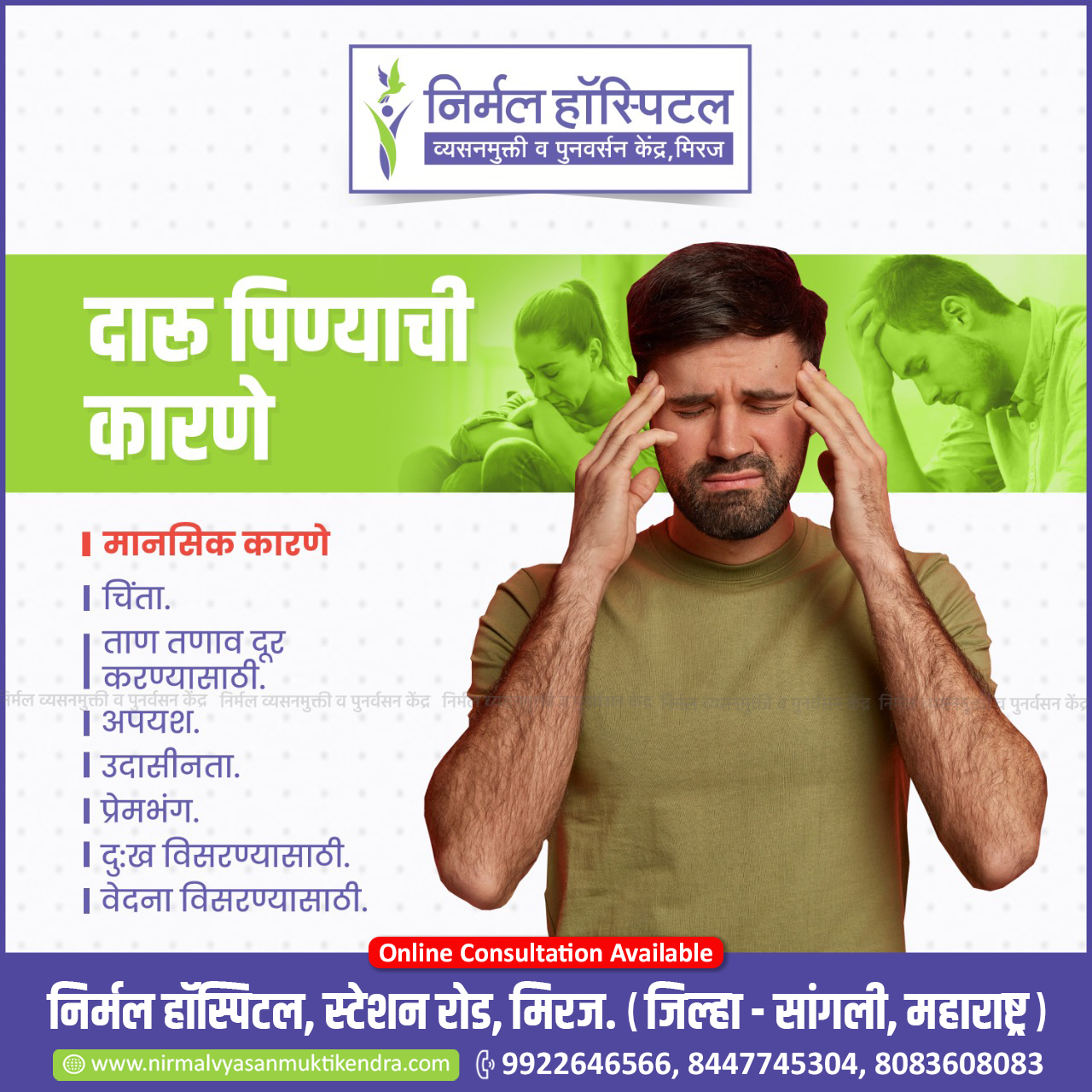
Some people may use alcohol as a way of coping with:
-
Anxiety
-
Stress
-
Depression
-
Loneliness
-
Emotional distress
-
Relationship difficulties
-
Failure or disappointment
-
Emotional pain
Although alcohol may temporarily produce relaxation, using it regularly to manage emotional problems can increase the risk of dependence.
Family and Genetic Factors
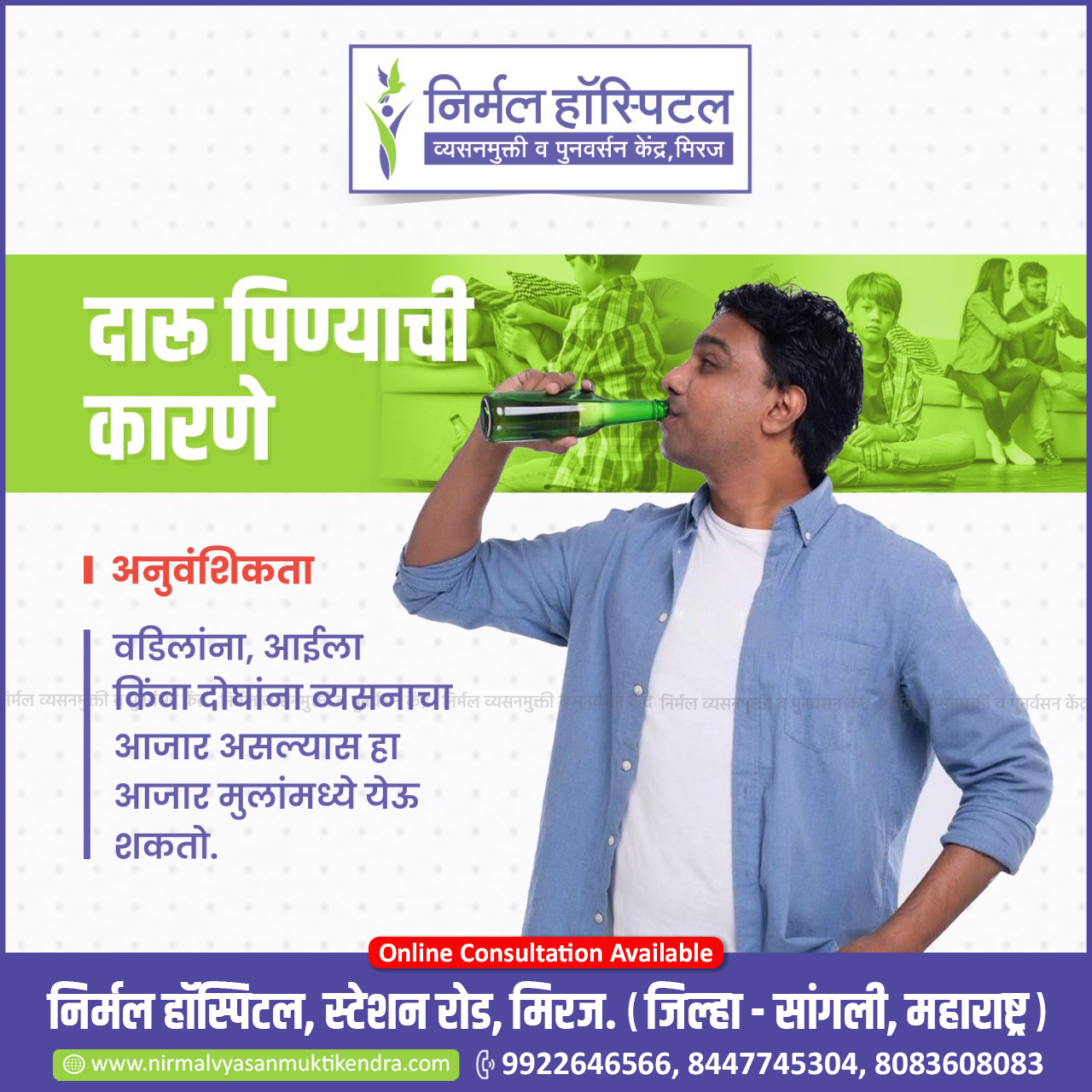
A family history of alcohol-related problems may increase a person’s vulnerability to alcohol addiction.
However, genetics alone do not determine whether someone will develop an alcohol-use problem. Environment, mental health, social circumstances and drinking behaviour also influence the risk.
How to Identify Alcohol Addiction?
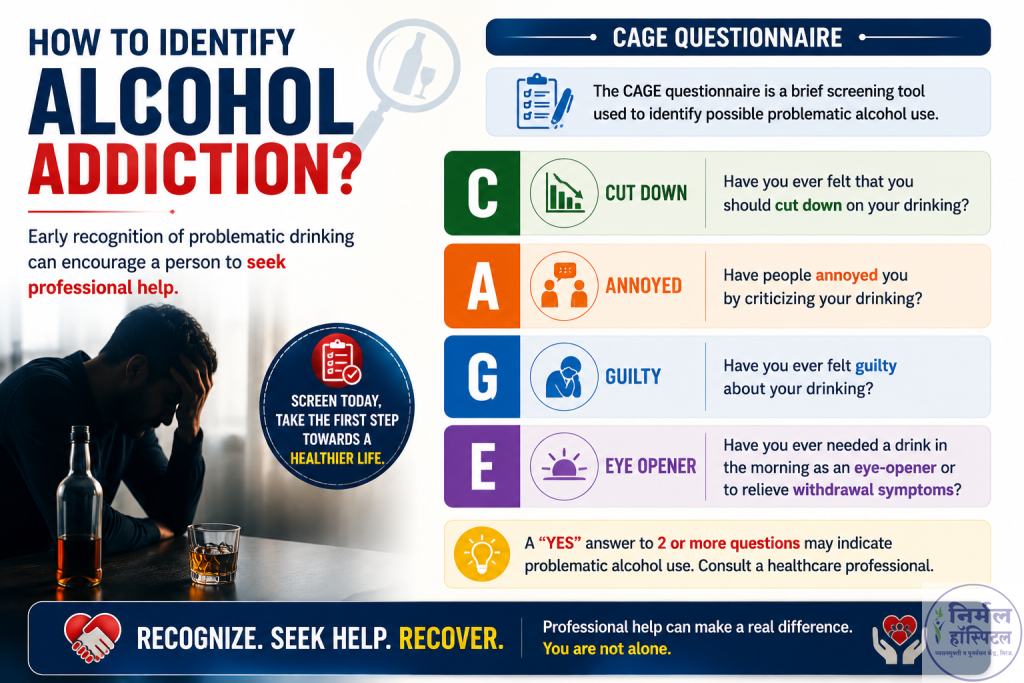
Early recognition of problematic drinking can encourage a person to seek professional help.
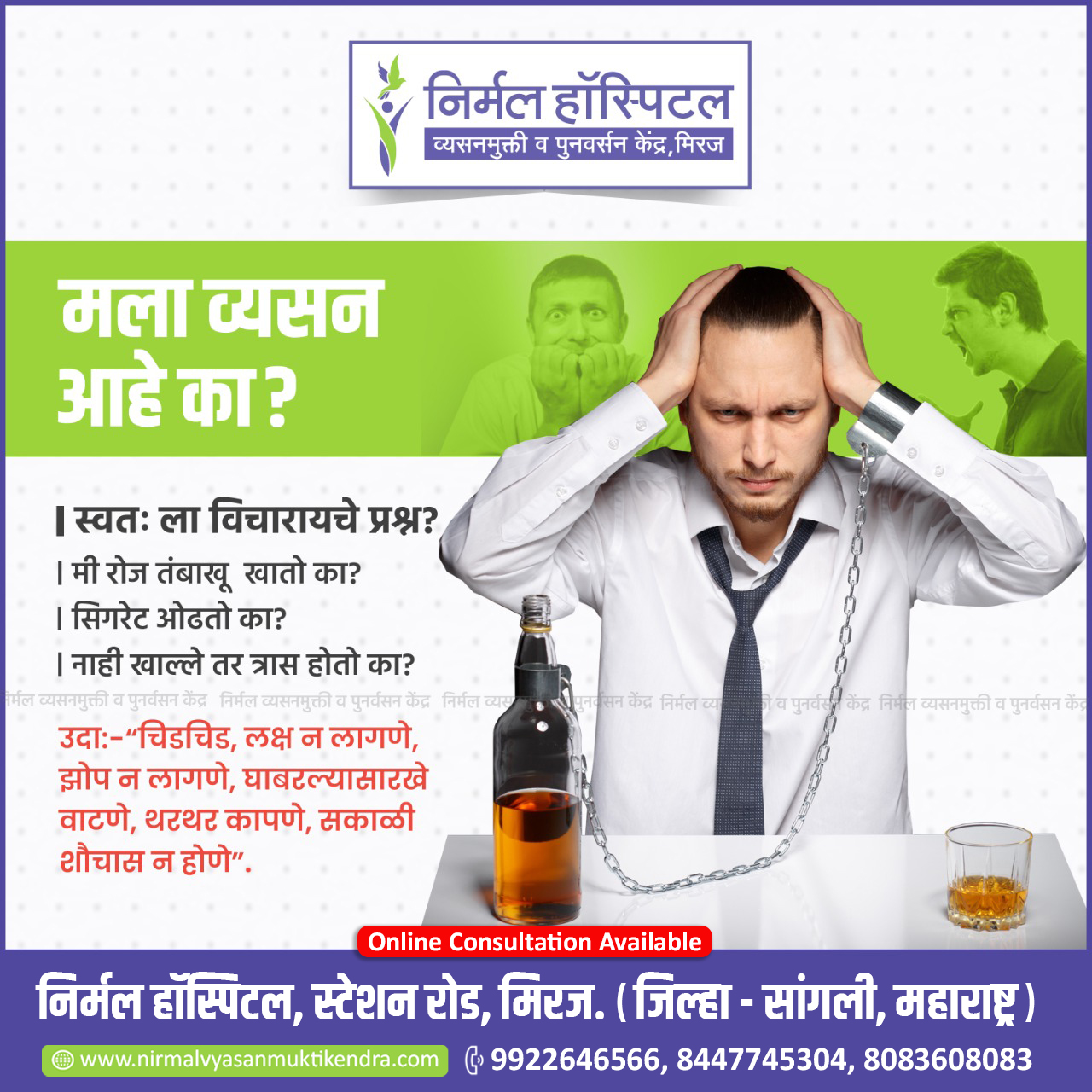
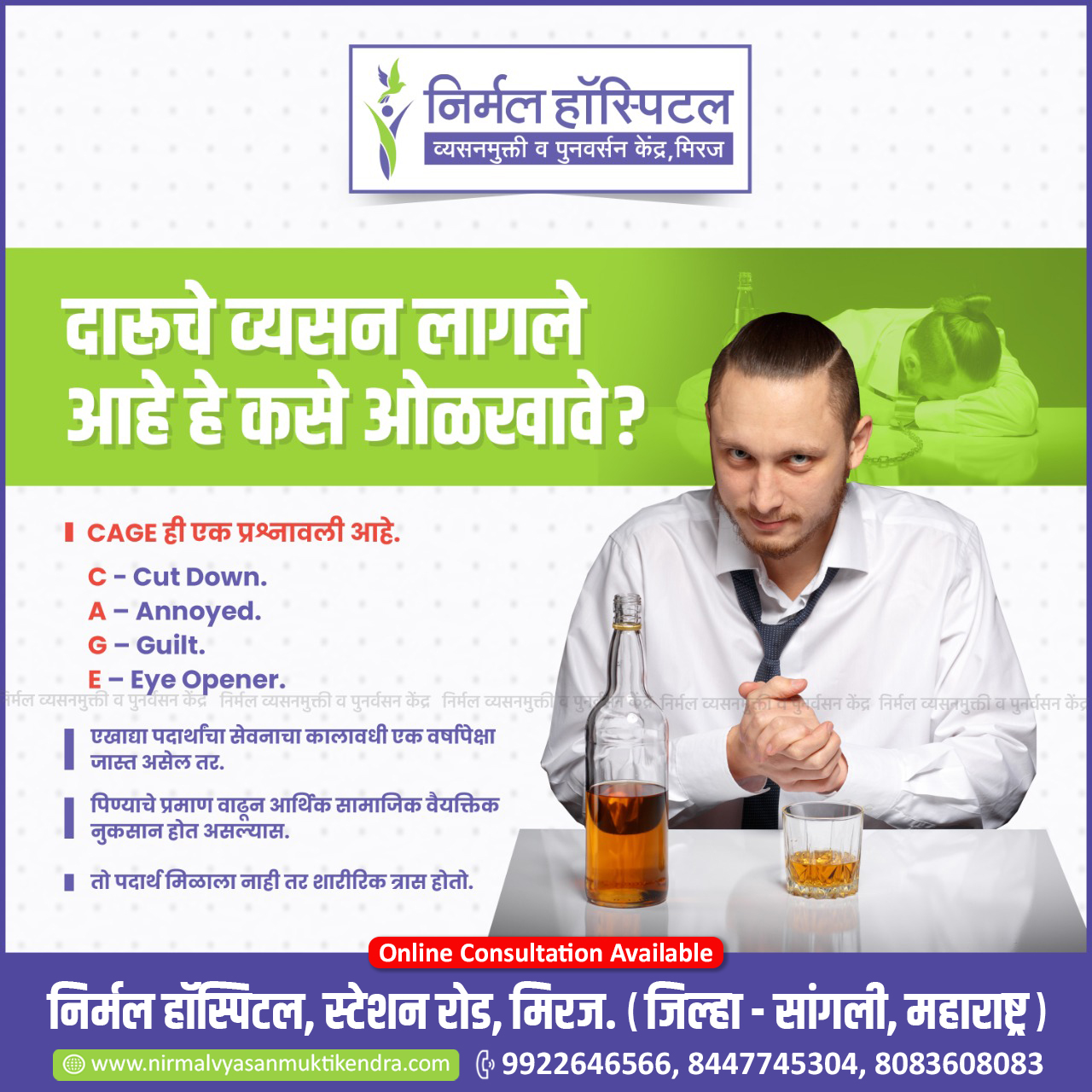
CAGE Questionnaire
The CAGE questionnaire is a brief screening tool used to identify possible problematic alcohol use.
C – Cut Down
Have you ever felt that you should cut down on your drinking?
A – Annoyed
Have people annoyed you by criticizing your drinking?
G – Guilty
Have you ever felt guilty about your drinking?
E – Eye Opener
Have you ever needed a drink in the morning as an eye-opener or to relieve withdrawal symptoms?
Important: The CAGE questionnaire is a screening tool and does not by itself establish a diagnosis. A qualified healthcare professional should conduct a complete assessment.
Signs and Symptoms of Alcohol Dependence
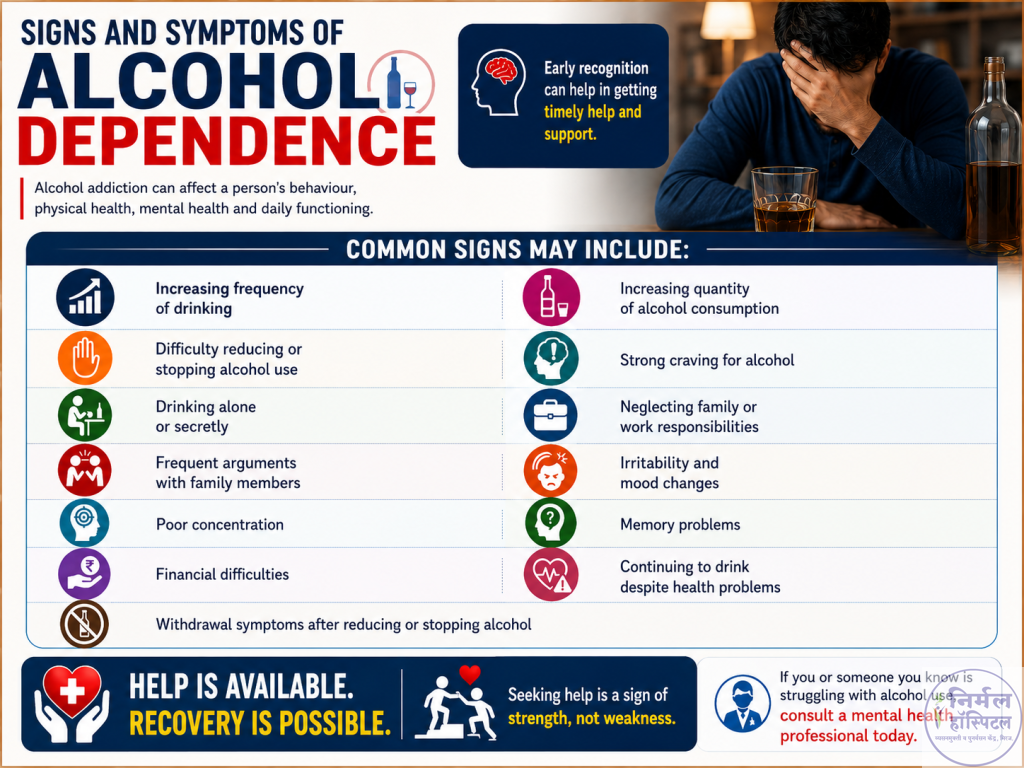
Alcohol addiction can affect a person’s behaviour, physical health, mental health and daily functioning.
Common signs may include:
-
Increasing frequency of drinking
-
Increasing quantity of alcohol consumption
-
Difficulty reducing or stopping alcohol use
-
Strong craving for alcohol
-
Drinking alone or secretly
-
Neglecting family or work responsibilities
-
Frequent arguments with family members
-
Irritability and mood changes
-
Poor concentration
-
Memory problems
-
Financial difficulties
-
Continuing to drink despite health problems
-
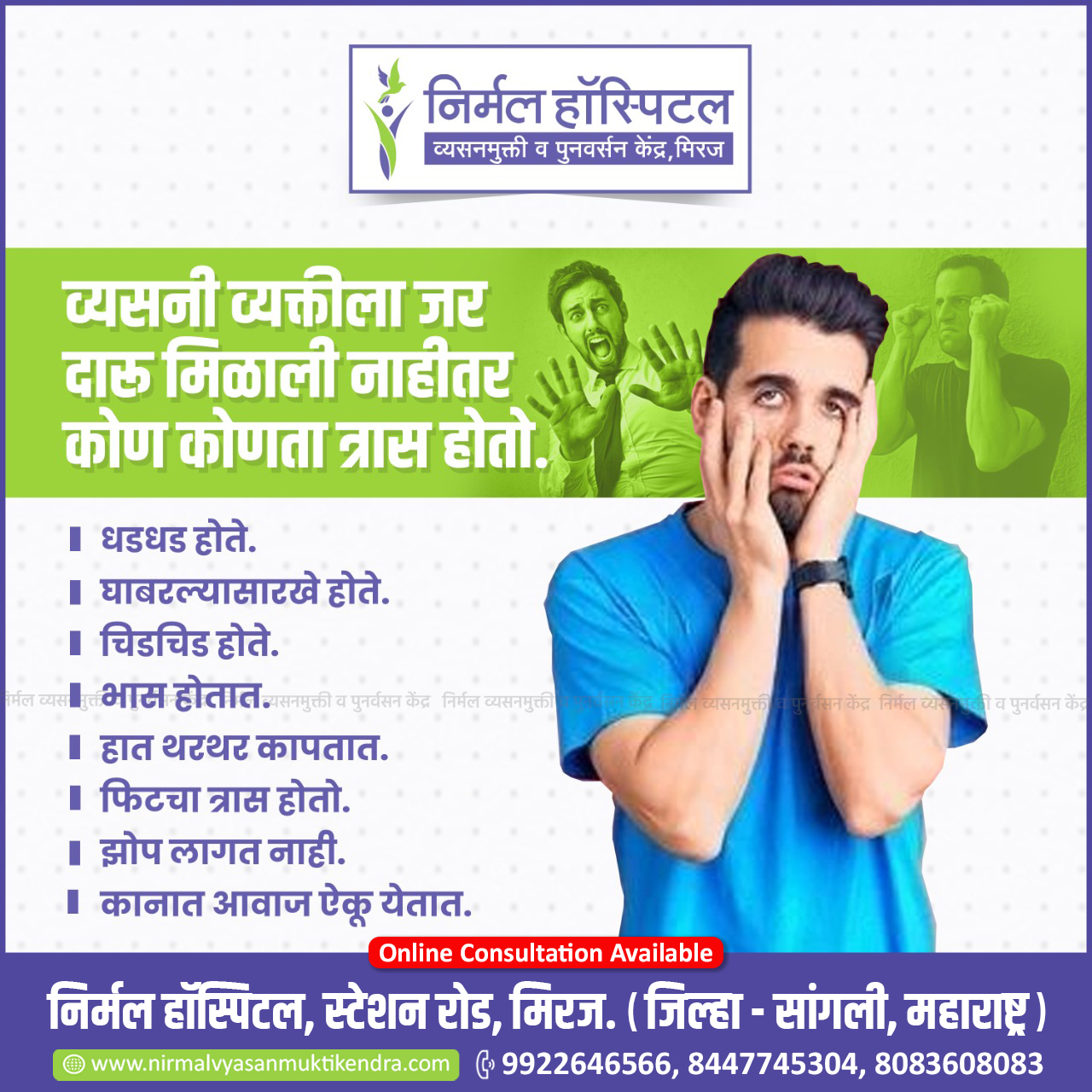
Withdrawal symptoms after reducing or stopping alcohol
Alcohol Withdrawal Symptoms
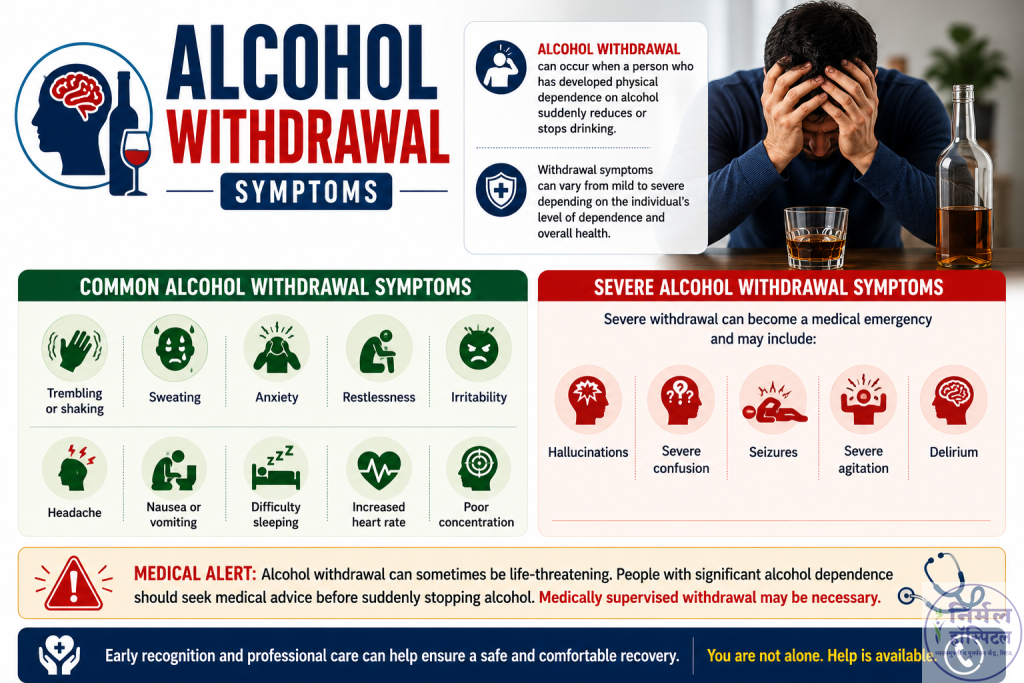
Alcohol withdrawal can occur when a person who has developed physical dependence on alcohol suddenly reduces or stops drinking.
Withdrawal symptoms can vary from mild to severe depending on the individual’s level of dependence and overall health.
Common Alcohol Withdrawal Symptoms
-
Trembling or shaking
-
Sweating
-
Anxiety
-
Restlessness
-
Irritability
-
Headache
-
Nausea or vomiting
-
Difficulty sleeping
-
Increased heart rate
-
Poor concentration
Severe Alcohol Withdrawal Symptoms
Severe withdrawal can become a medical emergency and may include:
-
Hallucinations
-
Severe confusion
-
Seizures
-
Severe agitation
-
Delirium
Medical Alert: Alcohol withdrawal can sometimes be life-threatening. People with significant alcohol dependence should seek medical advice before suddenly stopping alcohol. Medically supervised withdrawal may be necessary.
Effects of Alcohol on Mental Health
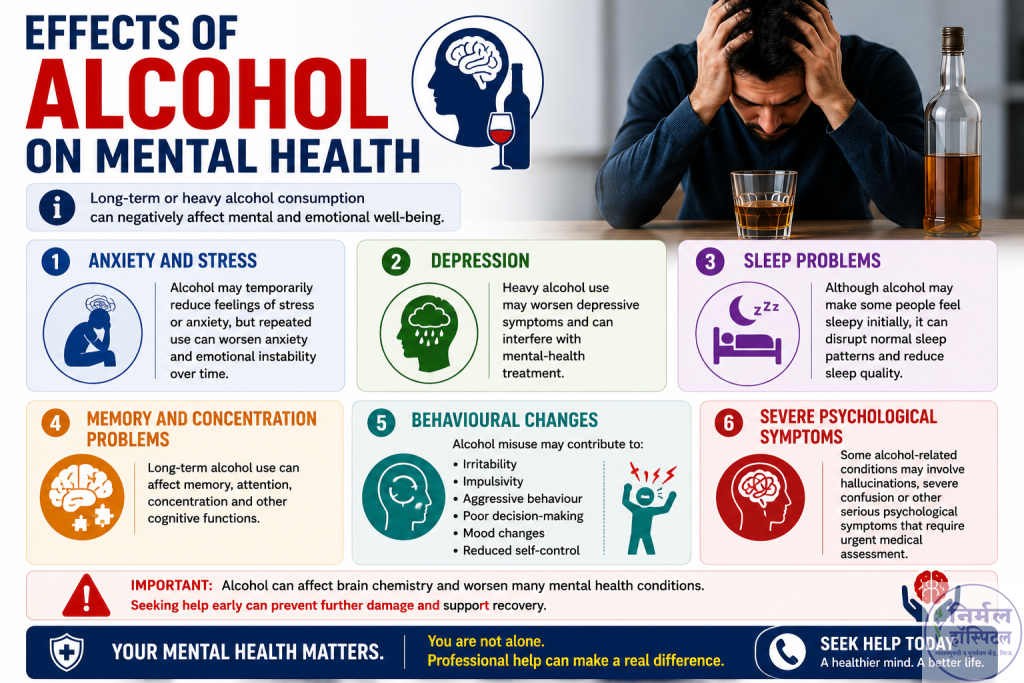
Long-term or heavy alcohol consumption can negatively affect mental and emotional well-being.
Anxiety and Stress
Alcohol may temporarily reduce feelings of stress or anxiety, but repeated use can worsen anxiety and emotional instability over time.
Depression
Heavy alcohol use may worsen depressive symptoms and can interfere with mental-health treatment.
Sleep Problems
Although alcohol may make some people feel sleepy initially, it can disrupt normal sleep patterns and reduce sleep quality.
Memory and Concentration Problems
Long-term alcohol use can affect memory, attention, concentration and other cognitive functions.
Behavioural Changes
Alcohol misuse may contribute to:
-
Irritability
-
Impulsivity
-
Aggressive behaviour
-
Poor decision-making
-
Mood changes
-
Reduced self-control
Severe Psychological Symptoms
Some alcohol-related conditions may involve hallucinations, severe confusion or other serious psychological symptoms that require urgent medical assessment.
Physical Effects of Alcohol
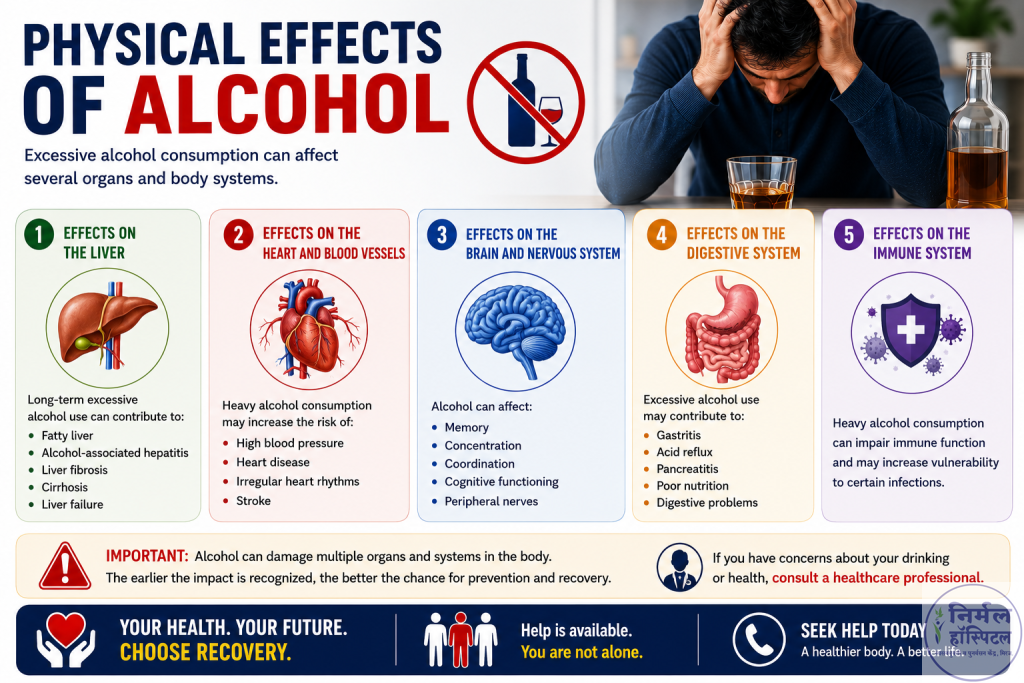
Excessive alcohol consumption can affect several organs and body systems.
Effects on the Liver
Long-term excessive alcohol use can contribute to:
-
Fatty liver
-
Alcohol-associated hepatitis
-
Liver fibrosis
-
Cirrhosis
-
Liver failure
Effects on the Heart and Blood Vessels
Heavy alcohol consumption may increase the risk of:
-
High blood pressure
-
Heart disease
-
Irregular heart rhythms
-
Stroke
Effects on the Brain and Nervous System
Alcohol can affect:
-
Memory
-
Concentration
-
Coordination
-
Cognitive functioning
-
Peripheral nerves
Effects on the Digestive System
Excessive alcohol use may contribute to:
-
Gastritis
-
Acid reflux
-
Pancreatitis
-
Poor nutrition
-
Digestive problems
Effects on the Immune System
Heavy alcohol consumption can impair immune function and may increase vulnerability to certain infections.
Social and Family Effects of Alcohol Addiction
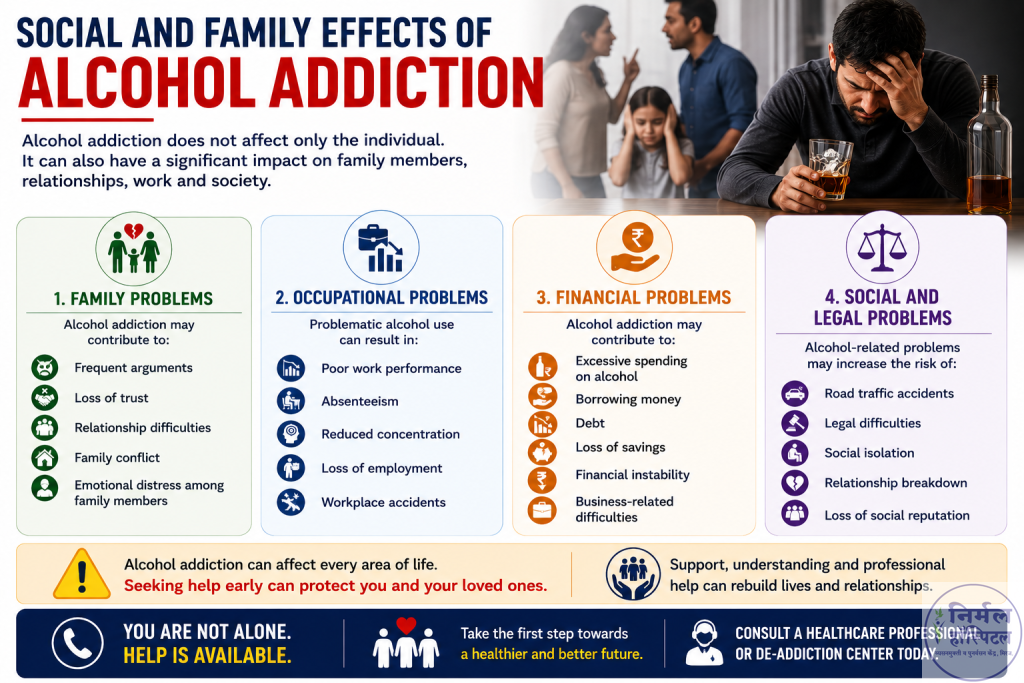
Alcohol addiction does not affect only the individual. It can also have a significant impact on family members, relationships, work and society.
Family Problems
Alcohol addiction may contribute to:
-
Frequent arguments
-
Loss of trust
-
Relationship difficulties
-
Family conflict
-
Emotional distress among family members
Occupational Problems
Problematic alcohol use can result in:
-
Poor work performance
-
Absenteeism
-
Reduced concentration
-
Loss of employment
-
Workplace accidents
Financial Problems
Alcohol addiction may contribute to:
-
Excessive spending on alcohol
-
Borrowing money
-
Debt
-
Loss of savings
-
Financial instability
-
Business-related difficulties
Social and Legal Problems
Alcohol-related problems may increase the risk of:
-
Road traffic accidents
-
Legal difficulties
-
Social isolation
-
Relationship breakdown
-
Loss of social reputation
Alcohol Use During Pregnancy
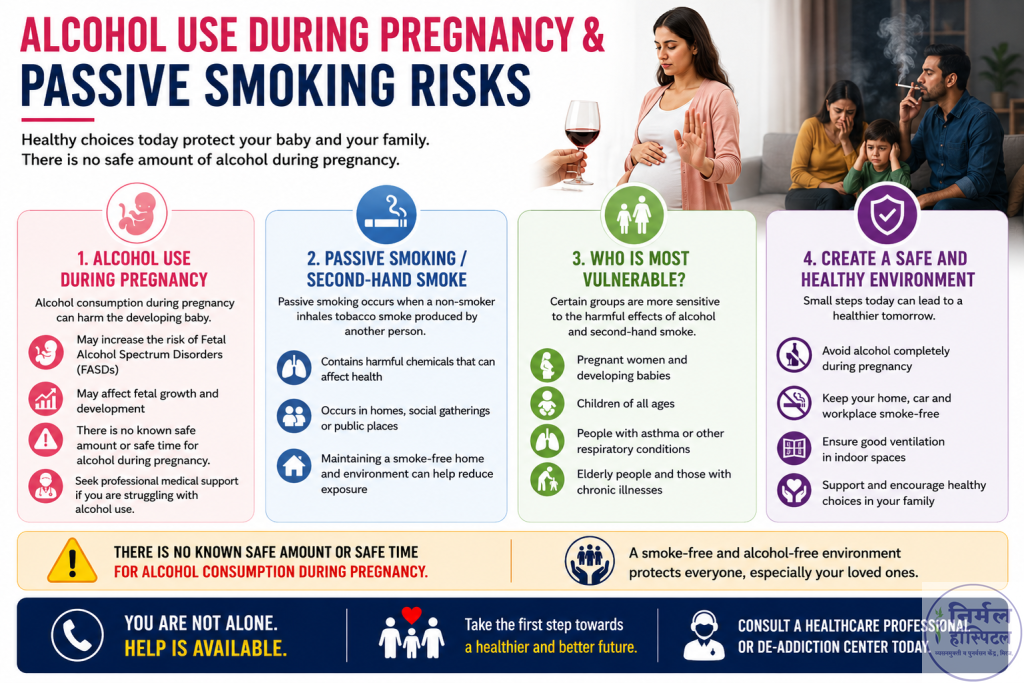
Alcohol consumption during pregnancy can harm the developing baby.
Alcohol exposure during pregnancy may increase the risk of Fetal Alcohol Spectrum Disorders (FASDs) and may affect fetal growth and development.
Important Message
There is no known safe amount or safe time for alcohol consumption during pregnancy.
Pregnant women who are struggling with alcohol use should seek professional medical support rather than attempting to manage the problem alone.
Passive Smoking and Alcohol-Related Environments
People struggling with alcohol addiction may also be exposed to tobacco smoke in social or household environments.
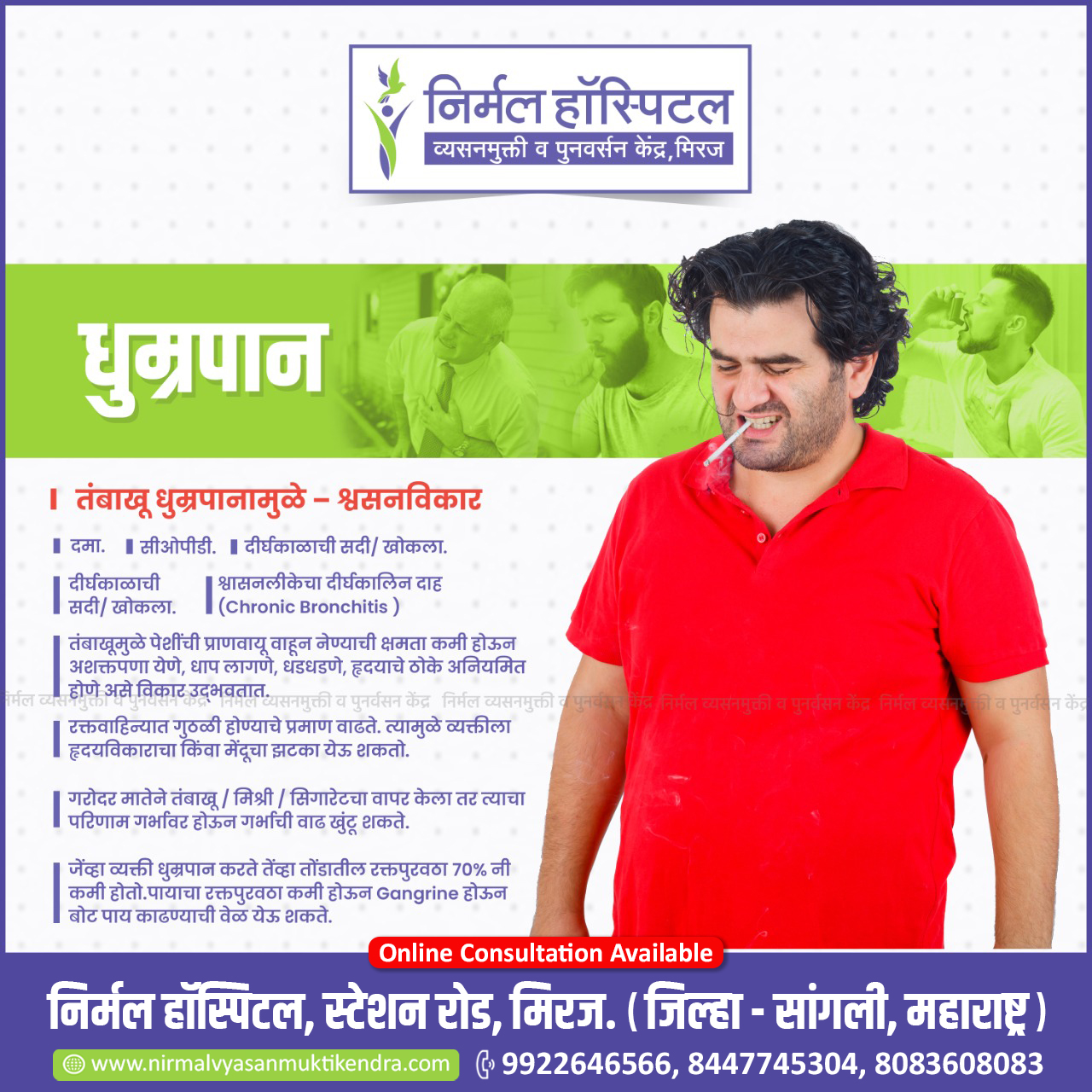
Passive smoking, also known as second-hand smoke exposure, occurs when a non-smoker inhales tobacco smoke produced by another person.
Children, pregnant women and people with respiratory conditions can be particularly vulnerable to second-hand smoke.
Maintaining a smoke-free home and environment can help reduce exposure to tobacco smoke.
Diagnosis and Assessment of Alcohol Addiction
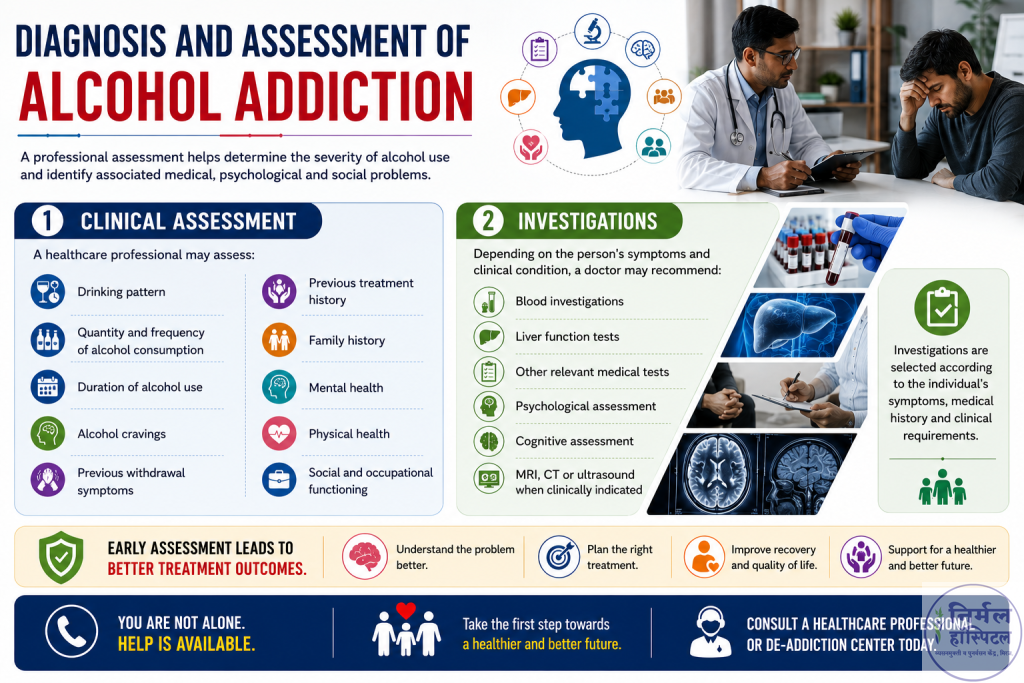
A professional assessment helps determine the severity of alcohol use and identify associated medical, psychological and social problems.
Clinical Assessment
A healthcare professional may assess:
-
Drinking pattern
-
Quantity and frequency of alcohol consumption
-
Duration of alcohol use
-
Alcohol cravings
-
Previous withdrawal symptoms
-
Previous treatment history
-
Family history
-
Mental health
-
Physical health
-
Social and occupational functioning
Investigations
Depending on the person’s symptoms and clinical condition, a doctor may recommend:
-
Blood investigations
-
Liver function tests
-
Other relevant medical tests
-
Psychological assessment
-
Cognitive assessment
-
MRI, CT or ultrasound when clinically indicated
Investigations are selected according to the individual’s symptoms, medical history and clinical requirements.
When Should You Seek Help for Alcohol Addiction?
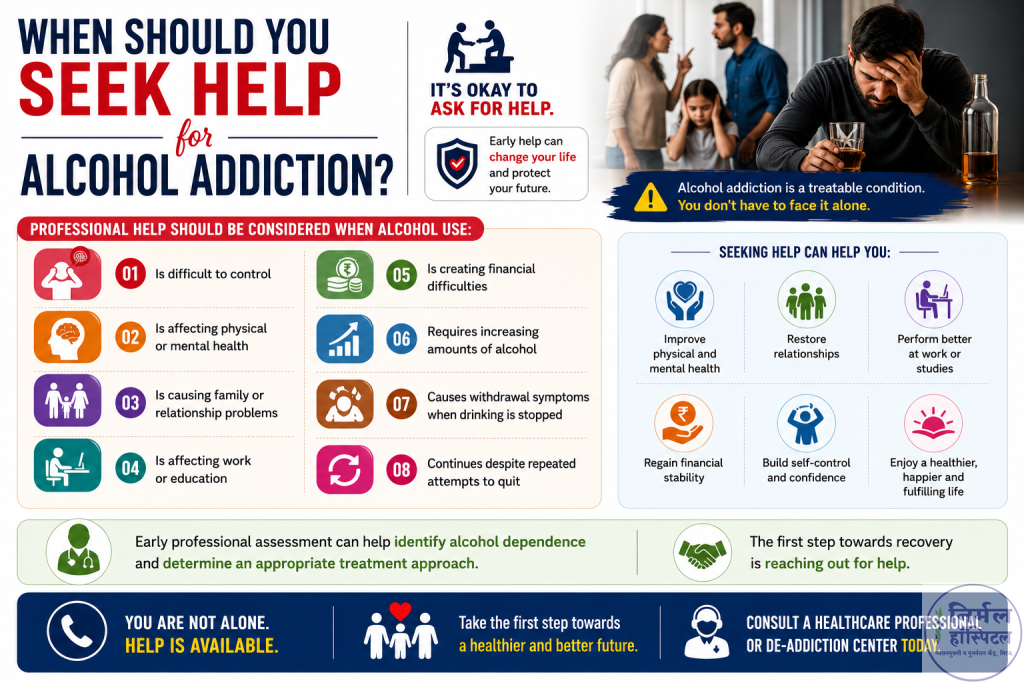
Professional help should be considered when alcohol use:
-
Is difficult to control
-
Is affecting physical or mental health
-
Is causing family or relationship problems
-
Is affecting work or education
-
Is creating financial difficulties
-
Requires increasing amounts of alcohol
-
Causes withdrawal symptoms when drinking is stopped
-
Continues despite repeated attempts to quit
Early professional assessment can help identify alcohol dependence and determine an appropriate treatment approach.
Frequently Asked Questions About Alcohol Addiction
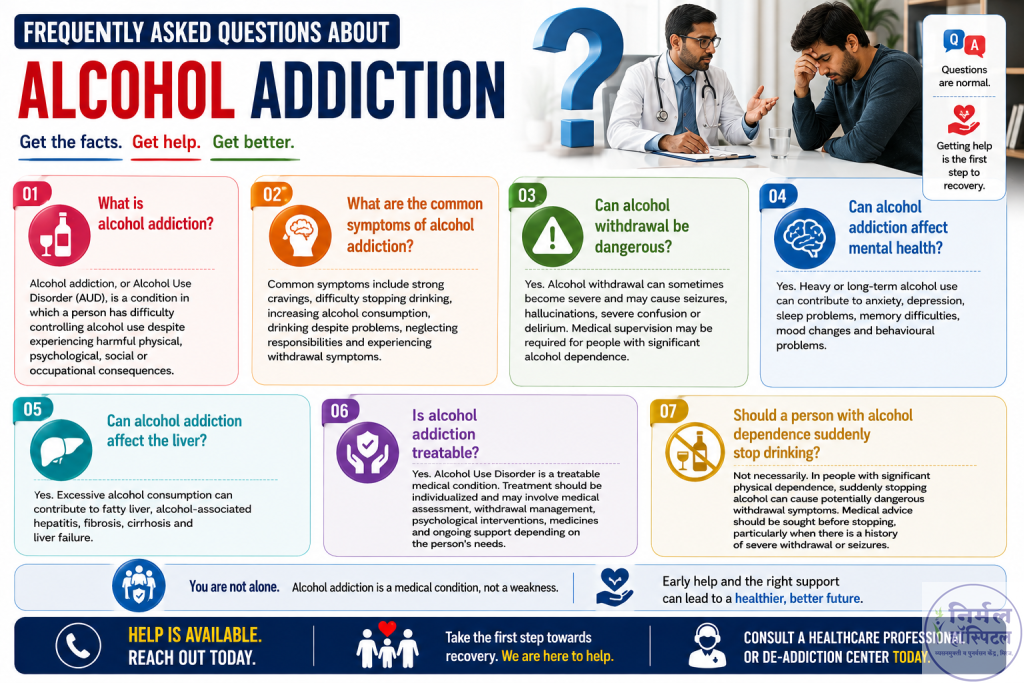
What is alcohol addiction?
Alcohol addiction, or Alcohol Use Disorder (AUD), is a condition in which a person has difficulty controlling alcohol use despite experiencing harmful physical, psychological, social or occupational consequences.
What are the common symptoms of alcohol addiction?
Common symptoms include strong cravings, difficulty stopping drinking, increasing alcohol consumption, drinking despite problems, neglecting responsibilities and experiencing withdrawal symptoms.
Can alcohol withdrawal be dangerous?
Yes. Alcohol withdrawal can sometimes become severe and may cause seizures, hallucinations, severe confusion or delirium. Medical supervision may be required for people with significant alcohol dependence.
Can alcohol addiction affect mental health?
Yes. Heavy or long-term alcohol use can contribute to anxiety, depression, sleep problems, memory difficulties, mood changes and behavioural problems.
Can alcohol addiction affect the liver?
Yes. Excessive alcohol consumption can contribute to fatty liver, alcohol-associated hepatitis, fibrosis, cirrhosis and liver failure.
Is alcohol addiction treatable?
Yes. Alcohol Use Disorder is a treatable medical condition. Treatment should be individualized and may involve medical assessment, withdrawal management, psychological interventions, medicines and ongoing support depending on the person’s needs.
Should a person with alcohol dependence suddenly stop drinking?
Not necessarily. In people with significant physical dependence, suddenly stopping alcohol can cause potentially dangerous withdrawal symptoms. Medical advice should be sought before stopping, particularly when there is a history of severe withdrawal or seizures.
What is alcohol addiction?
Alcohol addiction, or Alcohol Use Disorder (AUD), is a condition in which a person has difficulty controlling alcohol use despite experiencing harmful physical, psychological, social or occupational consequences.
What are the common symptoms of alcohol addiction?
Common symptoms include strong cravings, difficulty stopping drinking, increasing alcohol consumption, drinking despite problems, neglecting responsibilities and experiencing withdrawal symptoms.
Can alcohol withdrawal be dangerous?
Yes. Alcohol withdrawal can sometimes become severe and may cause seizures, hallucinations, severe confusion or delirium. Medical supervision may be required for people with significant alcohol dependence.
Can alcohol addiction affect mental health?
Yes. Heavy or long-term alcohol use can contribute to anxiety, depression, sleep problems, memory difficulties, mood changes and behavioural problems.
Can alcohol addiction affect the liver?
Yes. Excessive alcohol consumption can contribute to fatty liver, alcohol-associated hepatitis, fibrosis, cirrhosis and liver failure.
Is alcohol addiction treatable?
Yes. Alcohol Use Disorder is a treatable medical condition. Treatment should be individualized and may involve medical assessment, withdrawal management, psychological interventions, medicines and ongoing support depending on the person’s needs.
Should a person with alcohol dependence suddenly stop drinking?
Not necessarily. In people with significant physical dependence, suddenly stopping alcohol can cause potentially dangerous withdrawal symptoms. Medical advice should be sought before stopping, particularly when there is a history of severe withdrawal or seizures.
Take the First Step Towards Professional Help
Alcohol addiction can affect health, relationships, work, finances and quality of life, but seeking professional help can make a significant difference.
If you or someone in your family is struggling with alcohol dependence, consider seeking an assessment from a qualified mental-health or addiction specialist.
Early recognition and timely professional care can help reduce complications and support the journey towards recovery.
For additional evidence-based information about alcohol use and its health effects, visit the World Health Organization (WHO).
Click here to learn more about Alcohol De-addiction Treatment
Click here to learn more about De-addiction and Recovery











Leave a Reply