

Cocaine Addiction Treatment Near Me | Nirmal Hospital, Miraj
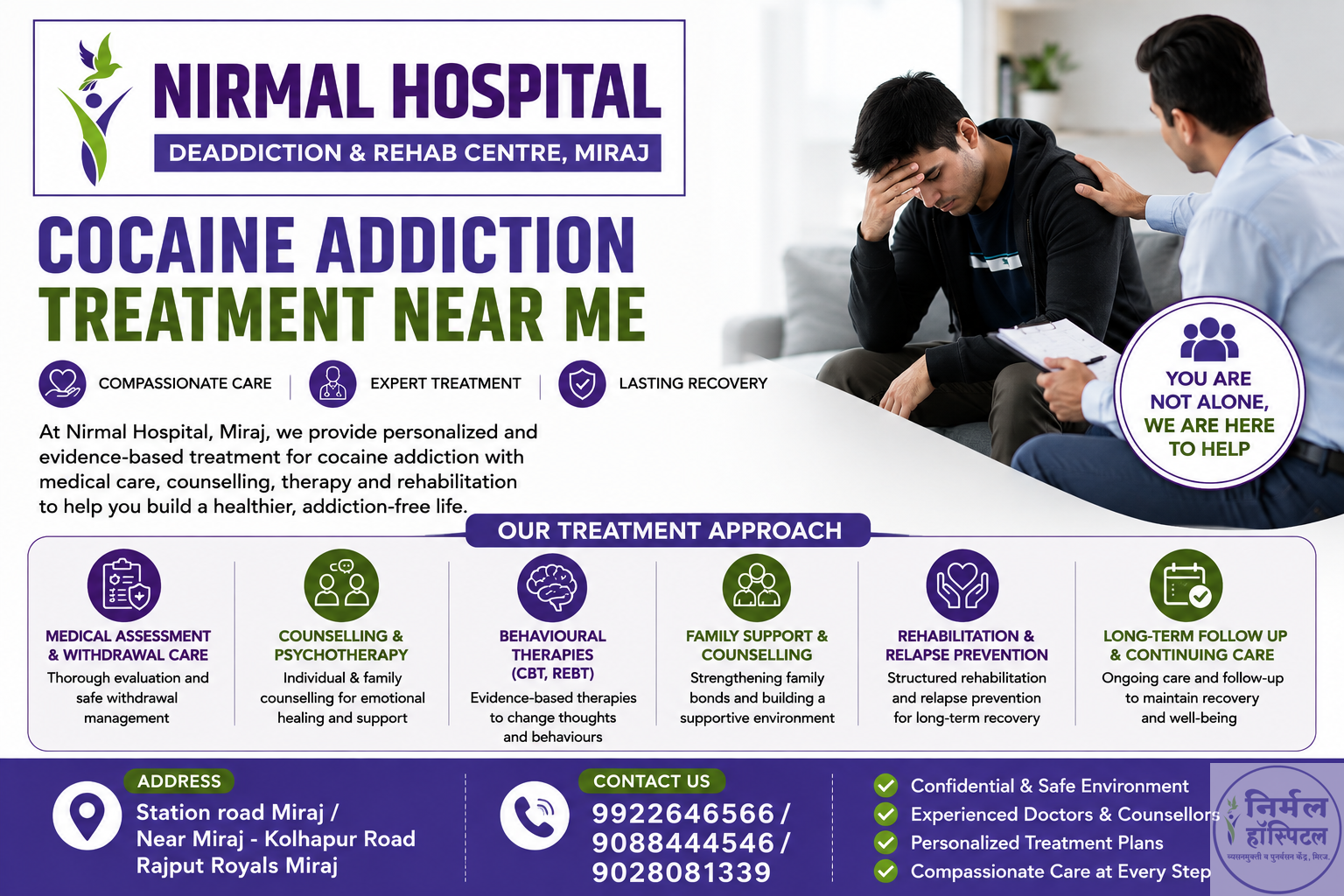
Looking for cocaine addiction treatment near me, cocaine rehab near me, or a cocaine deaddiction centre near me? Cocaine addiction is a serious substance use disorder that can affect physical health, mental health, relationships, work, finances, and overall quality of life.
With timely professional assessment, evidence-based treatment, psychotherapy, family support, rehabilitation, and long-term follow-up, recovery from cocaine addiction is possible.
Nirmal Hospital, Miraj provides professional assessment and addiction treatment services based on the individual needs and clinical condition of the patient.
What Is Cocaine Addiction?
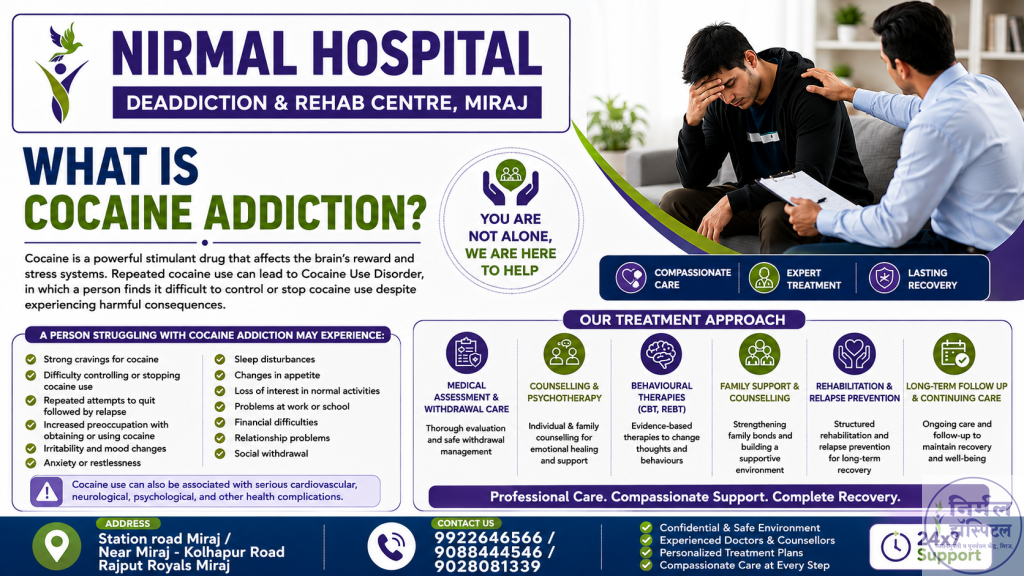
Cocaine is a powerful stimulant drug that affects the brain’s reward and stress systems. Repeated cocaine use can lead to Cocaine Use Disorder, in which a person finds it difficult to control or stop cocaine use despite experiencing harmful consequences.
A person struggling with cocaine addiction may experience:
- Strong cravings for cocaine
- Difficulty controlling or stopping cocaine use
- Repeated attempts to quit followed by relapse
- Increased preoccupation with obtaining or using cocaine
- Irritability and mood changes
- Anxiety or restlessness
- Sleep disturbances
- Changes in appetite
- Loss of interest in normal activities
- Problems at work or school
- Financial difficulties
- Relationship problems
- Social withdrawal
Cocaine use can also be associated with serious cardiovascular, neurological, psychological, and other health complications.
Cocaine Addiction Treatment Near Me
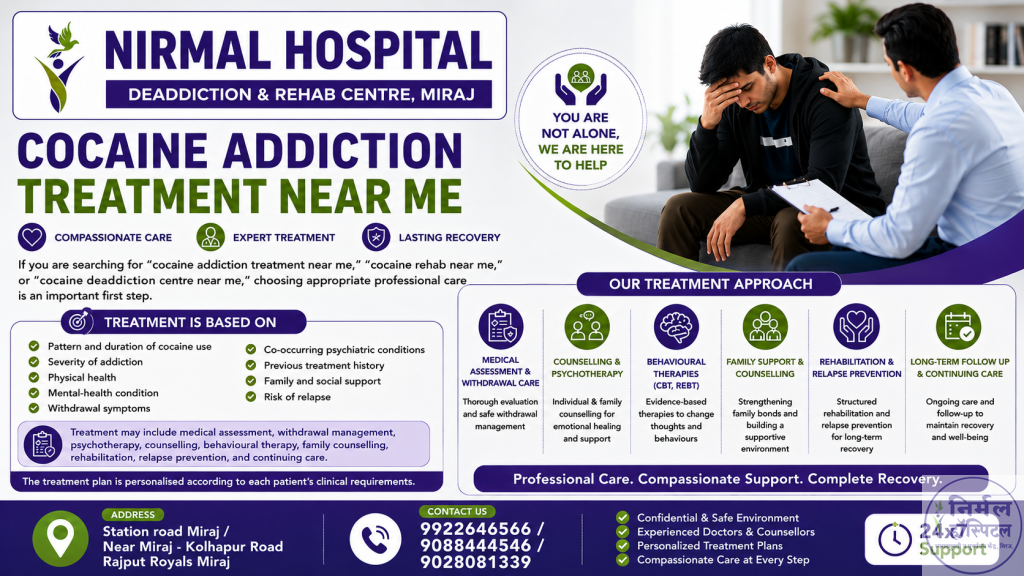
If you are searching for “cocaine addiction treatment near me,” “cocaine rehab near me,” or “cocaine deaddiction centre near me,” choosing appropriate professional care is an important first step.
At Nirmal Hospital, Miraj, the treatment approach is based on the patient’s:
- Pattern and duration of cocaine use
- Severity of addiction
- Physical health
- Mental-health condition
- Withdrawal symptoms
- Co-occurring psychiatric conditions
- Previous treatment history
- Family and social support
- Risk of relapse
Treatment may include medical assessment, withdrawal management, psychotherapy, counselling, behavioural therapy, family counselling, rehabilitation, relapse prevention, and continuing care.
The treatment plan is personalised according to each patient’s clinical requirements.
How to Overcome Cocaine Addiction?
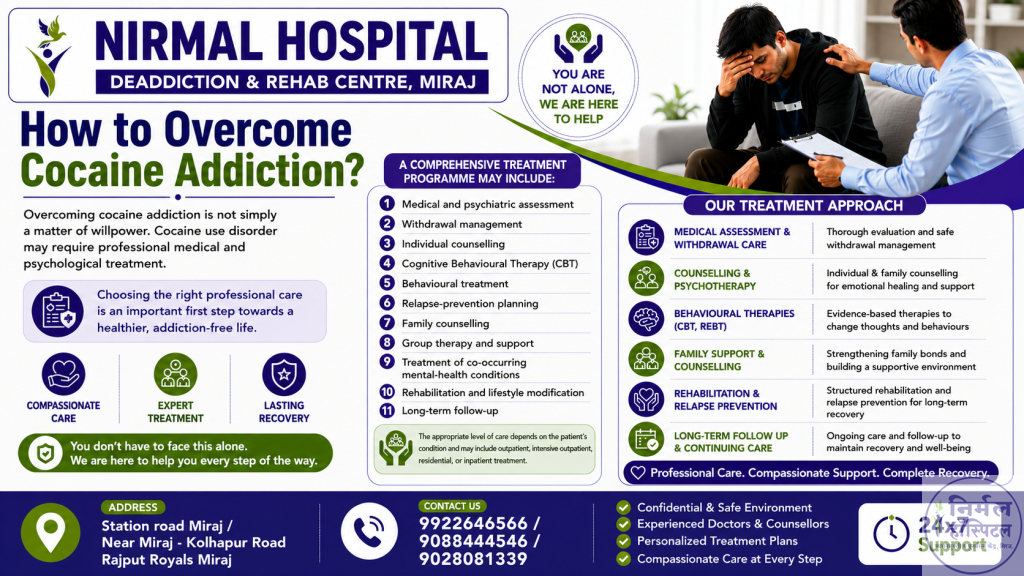
Overcoming cocaine addiction is not simply a matter of willpower. Cocaine use disorder may require professional medical and psychological treatment.
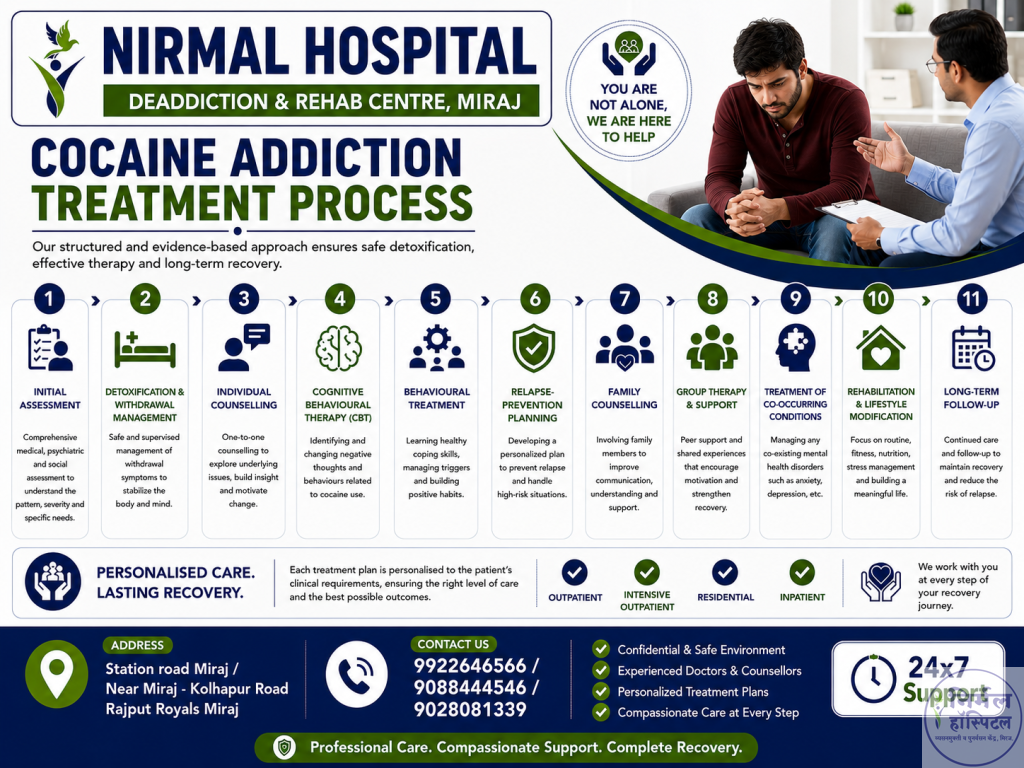
A comprehensive treatment programme may include:
- Medical and psychiatric assessment
- Withdrawal management
- Individual counselling
- Cognitive Behavioural Therapy (CBT)
- Behavioural treatment
- Relapse-prevention planning
- Family counselling
- Group therapy and support
- Treatment of co-occurring mental-health conditions
- Rehabilitation and lifestyle modification
- Long-term follow-up
The appropriate level of care depends on the patient’s condition and may include outpatient, intensive outpatient, residential, or inpatient treatment.
Initial Goals of Cocaine Addiction Treatment
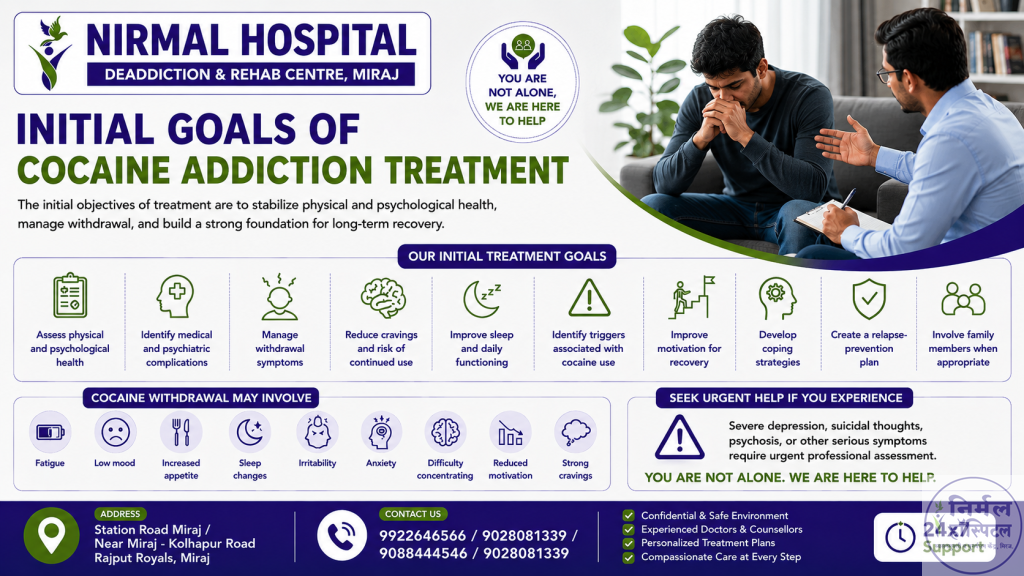
The initial objectives of treatment are to:
- Assess physical and psychological health
- Identify medical and psychiatric complications
- Manage withdrawal symptoms
- Reduce cravings and risk of continued use
- Improve sleep and daily functioning
- Identify triggers associated with cocaine use
- Improve motivation for recovery
- Develop coping strategies
- Create a relapse-prevention plan
- Involve family members when appropriate
Cocaine withdrawal may involve fatigue, low mood, increased appetite, sleep changes, irritability, anxiety, difficulty concentrating, reduced motivation, and strong cravings.
Severe depression, suicidal thoughts, psychosis, or other serious symptoms require urgent professional assessment.
Cocaine Addiction Treatment Process
1. Diagnosis and Comprehensive Assessment
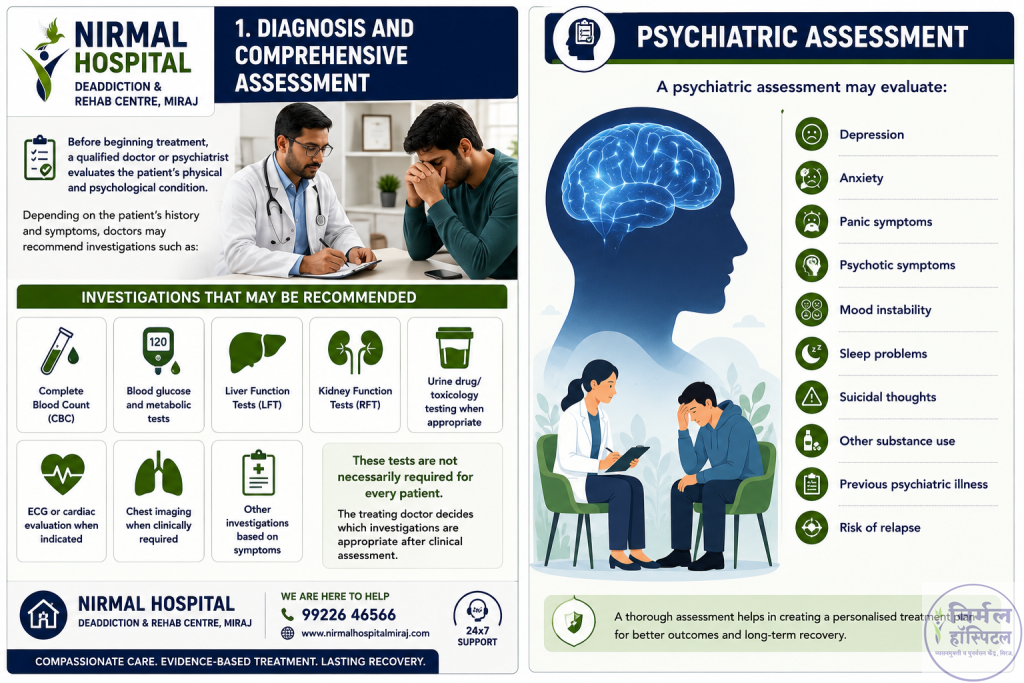
Before beginning treatment, a qualified doctor or psychiatrist evaluates the patient’s physical and psychological condition.
Depending on the patient’s history and symptoms, doctors may recommend investigations such as:
- Complete Blood Count (CBC)
- Blood glucose and metabolic tests
- Liver Function Tests (LFT)
- Kidney Function Tests (RFT)
- Urine drug/toxicology testing when appropriate
- ECG or cardiac evaluation when indicated
- Chest imaging when clinically required
- Other investigations based on symptoms
These tests are not necessarily required for every patient. The treating doctor decides which investigations are appropriate after clinical assessment.
Psychiatric Assessment
A psychiatric assessment may evaluate:
- Depression
- Anxiety
- Panic symptoms
- Psychotic symptoms
- Mood instability
- Sleep problems
- Suicidal thoughts
- Other substance use
- Previous psychiatric illness
- Risk of relapse
2. Outpatient Cocaine Addiction Treatment (OPD)
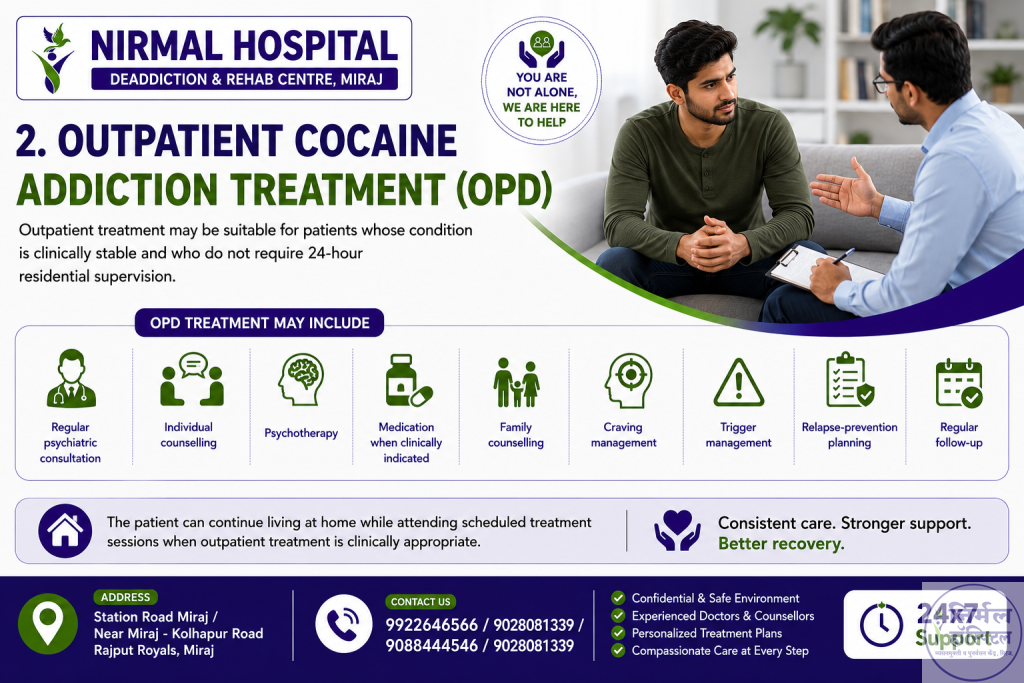
Outpatient treatment may be suitable for patients whose condition is clinically stable and who do not require 24-hour residential supervision.
OPD treatment may include:
- Regular psychiatric consultation
- Individual counselling
- Psychotherapy
- Medication when clinically indicated
- Family counselling
- Craving management
- Trigger management
- Relapse-prevention planning
- Regular follow-up
The patient can continue living at home while attending scheduled treatment sessions when outpatient treatment is clinically appropriate.
3. Inpatient / Residential Cocaine Rehabilitation (IPD)
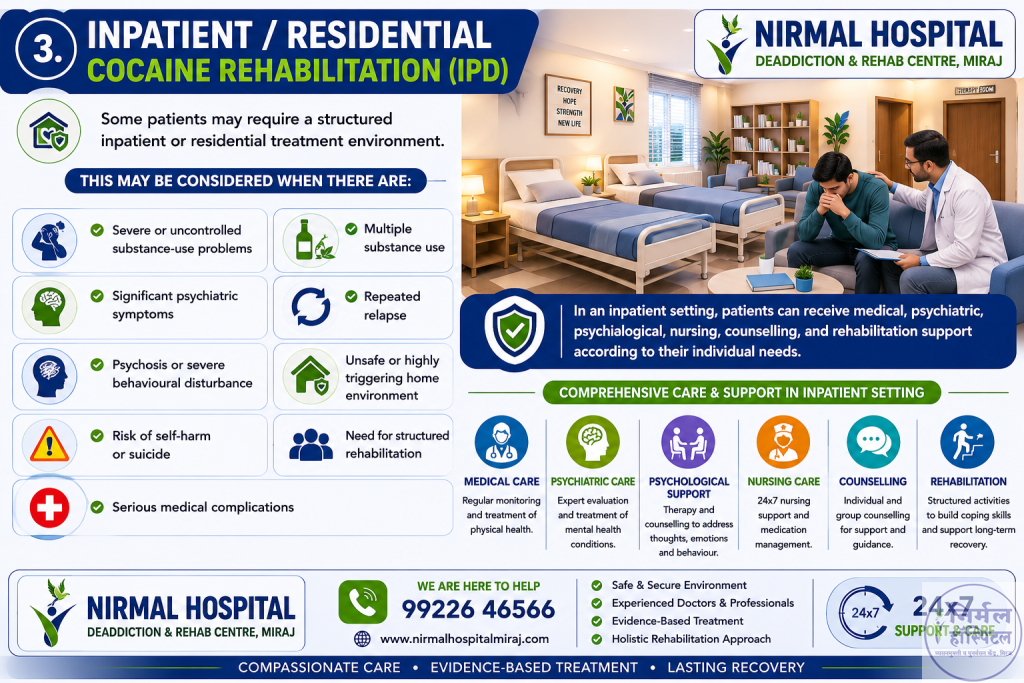
Some patients may require a structured inpatient or residential treatment environment.
This may be considered when there are:
- Severe or uncontrolled substance-use problems
- Significant psychiatric symptoms
- Psychosis or severe behavioural disturbance
- Risk of self-harm or suicide
- Serious medical complications
- Multiple substance use
- Repeated relapse
- Unsafe or highly triggering home environment
- Need for structured rehabilitation
In an inpatient setting, patients can receive medical, psychiatric, psychological, nursing, counselling, and rehabilitation support according to their individual needs.
4. Cocaine Withdrawal Management
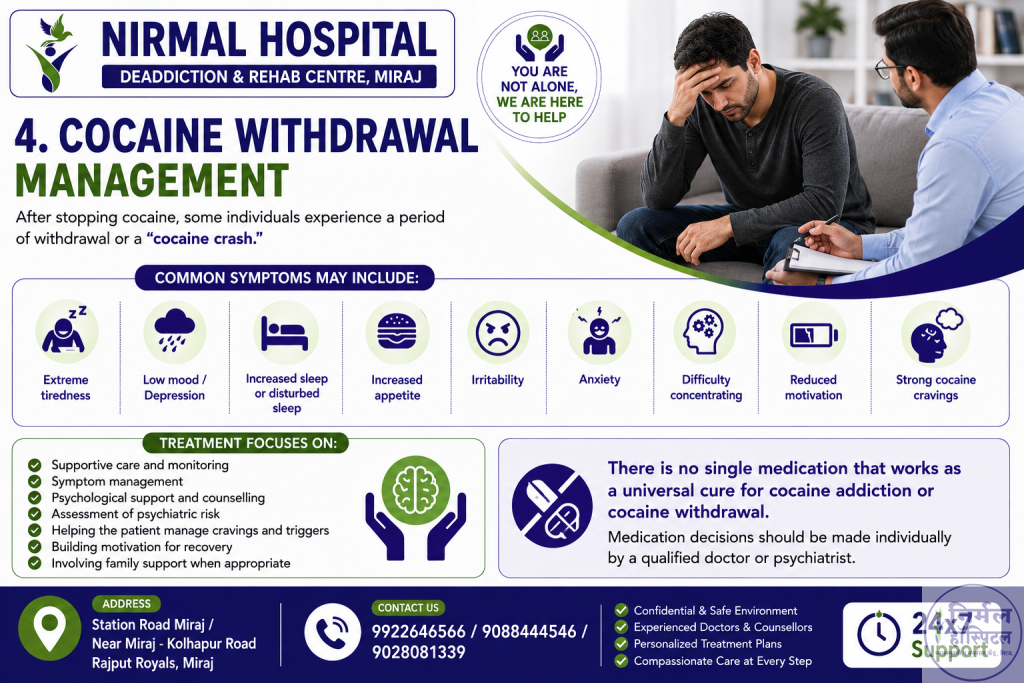
After stopping cocaine, some individuals experience a period of withdrawal or a “cocaine crash.”
Common symptoms may include:
- Extreme tiredness
- Low mood
- Depression
- Increased sleep or disturbed sleep
- Increased appetite
- Irritability
- Anxiety
- Difficulty concentrating
- Reduced motivation
- Strong cocaine cravings
Treatment focuses on supportive care, monitoring, symptom management, psychological support, and assessment of psychiatric risk.
There is no single medication that works as a universal cure for cocaine addiction or cocaine withdrawal. Medication decisions should be made individually by a qualified doctor or psychiatrist.
5. Medication in Cocaine Addiction Treatment
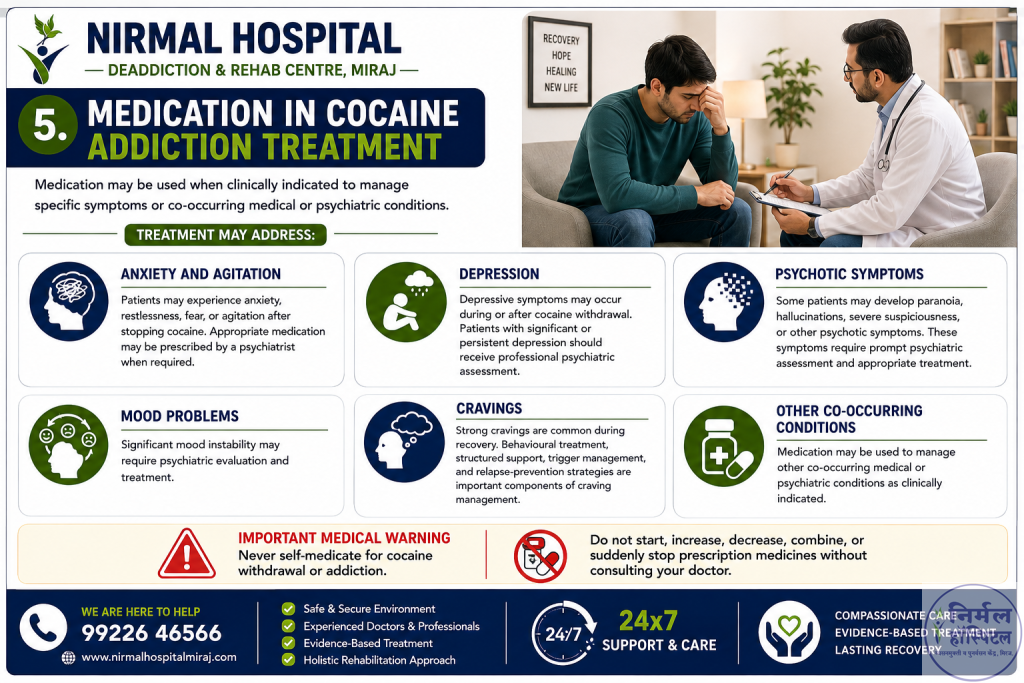
Medication may be used when clinically indicated to manage specific symptoms or co-occurring medical or psychiatric conditions.
Treatment may address:
Anxiety and Agitation
Patients may experience anxiety, restlessness, fear, or agitation after stopping cocaine. Appropriate medication may be prescribed by a psychiatrist when required.
Depression
Depressive symptoms may occur during or after cocaine withdrawal. Patients with significant or persistent depression should receive professional psychiatric assessment.
Psychotic Symptoms
Some patients may develop paranoia, hallucinations, severe suspiciousness, or other psychotic symptoms. These symptoms require prompt psychiatric assessment and appropriate treatment.
Mood Problems
Significant mood instability may require psychiatric evaluation and treatment.
Cravings
Strong cravings are common during recovery. Behavioural treatment, structured support, trigger management, and relapse-prevention strategies are important components of craving management.
Important Medical Warning
Never self-medicate for cocaine withdrawal or addiction.
Do not start, increase, decrease, combine, or suddenly stop prescription medicines without consulting your doctor.
6. Psychotherapy for Cocaine Addiction
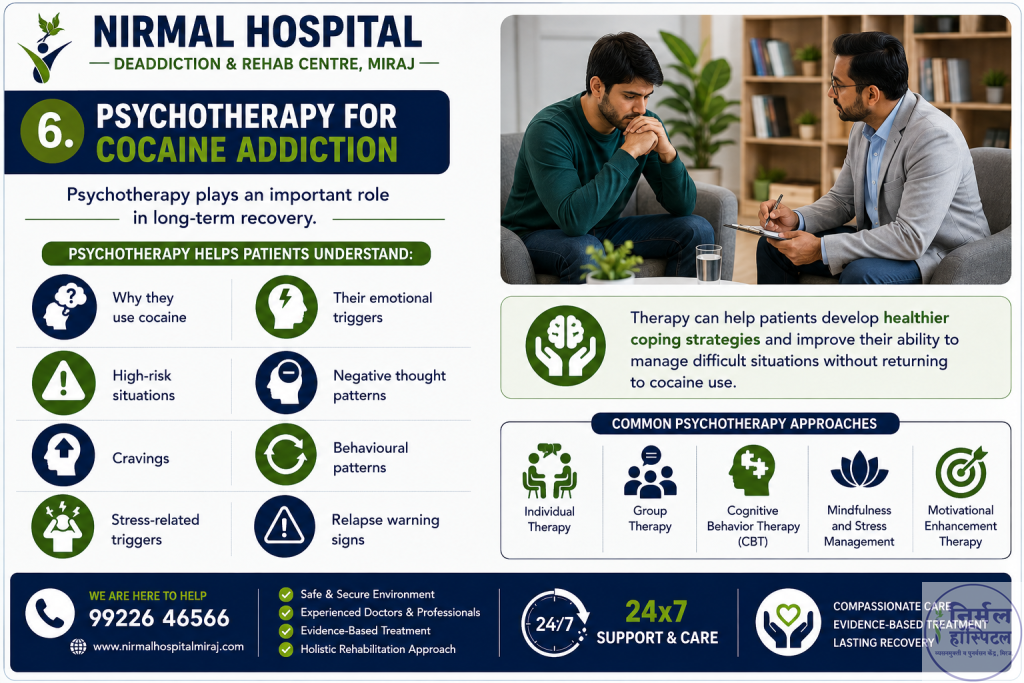
Psychotherapy plays an important role in long-term recovery.
It helps patients understand:
- Why they use cocaine
- Their emotional triggers
- High-risk situations
- Negative thought patterns
- Cravings
- Behavioural patterns
- Stress-related triggers
- Relapse warning signs
Therapy can help patients develop healthier coping strategies and improve their ability to manage difficult situations without returning to cocaine use.
7. Cognitive Behavioural Therapy (CBT)
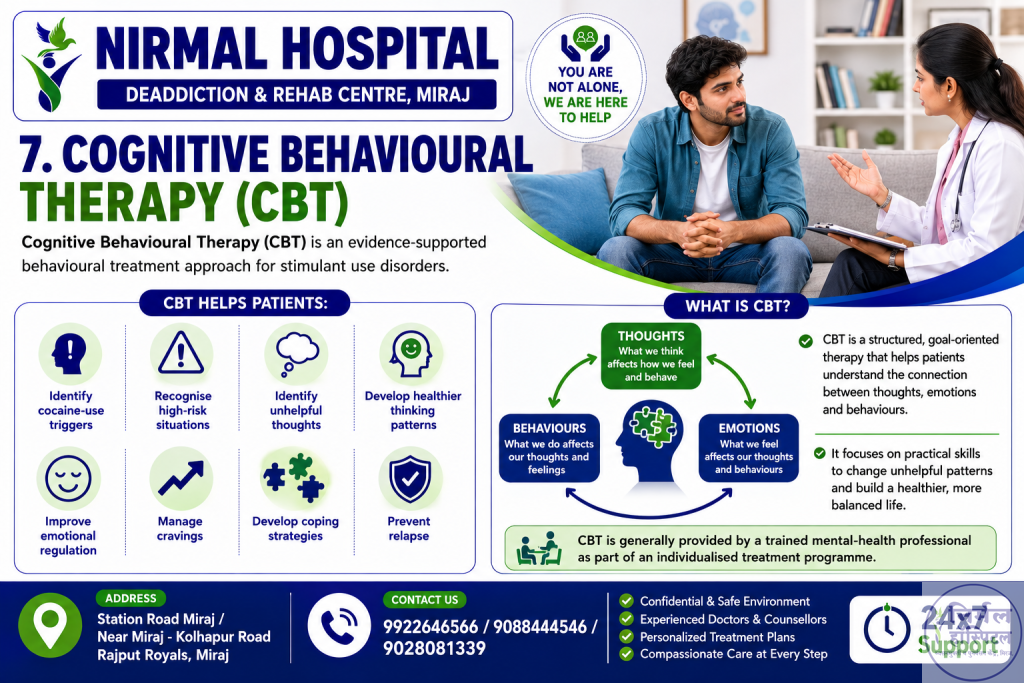
Cognitive Behavioural Therapy (CBT) is an evidence-supported behavioural treatment approach for stimulant use disorders.
CBT helps patients:
- Identify cocaine-use triggers
- Recognise high-risk situations
- Identify unhelpful thoughts
- Develop healthier thinking patterns
- Improve emotional regulation
- Manage cravings
- Develop coping strategies
- Prevent relapse
CBT is generally provided by a trained mental-health professional as part of an individualised treatment programme.
8. Relapse Prevention for Cocaine Addiction
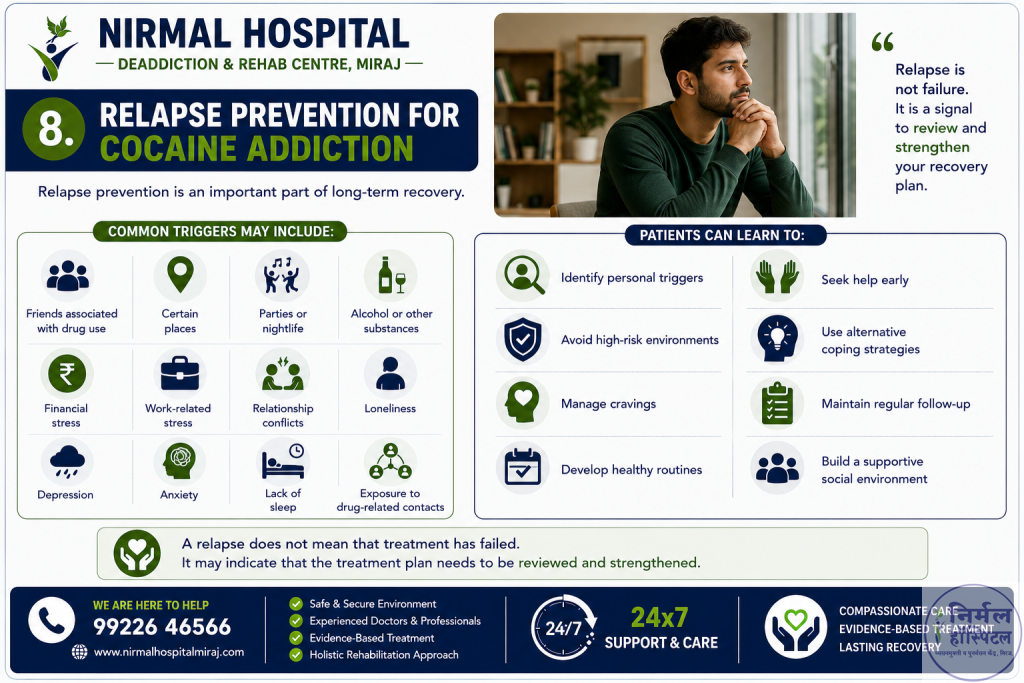
Relapse prevention is an important part of long-term recovery.
Common triggers may include:
- Friends associated with drug use
- Certain places
- Parties or nightlife
- Alcohol or other substances
- Financial stress
- Work-related stress
- Relationship conflicts
- Loneliness
- Depression
- Anxiety
- Lack of sleep
- Exposure to drug-related contacts
Patients can learn to:
- Identify personal triggers
- Avoid high-risk environments
- Manage cravings
- Develop healthy routines
- Seek help early
- Use alternative coping strategies
- Maintain regular follow-up
- Build a supportive social environment
A relapse does not mean that treatment has failed. It may indicate that the treatment plan needs to be reviewed and strengthened.
9. Behavioural Treatment for Cocaine Addiction
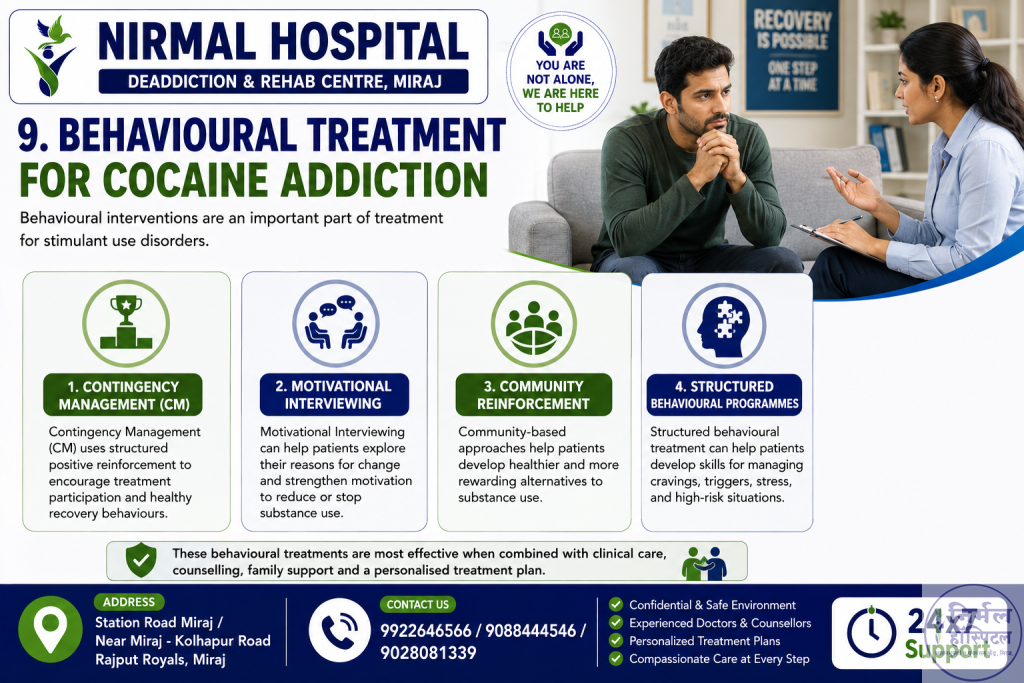
Behavioural interventions are an important part of treatment for stimulant use disorders.
Contingency Management
Contingency Management (CM) uses structured positive reinforcement to encourage treatment participation and healthy recovery behaviours.
Motivational Interviewing
Motivational Interviewing can help patients explore their reasons for change and strengthen motivation to reduce or stop substance use.
Community Reinforcement
Community-based approaches help patients develop healthier and more rewarding alternatives to substance use.
Structured Behavioural Programmes
Structured behavioural treatment can help patients develop skills for managing cravings, triggers, stress, and high-risk situations.
10. Individual Counselling
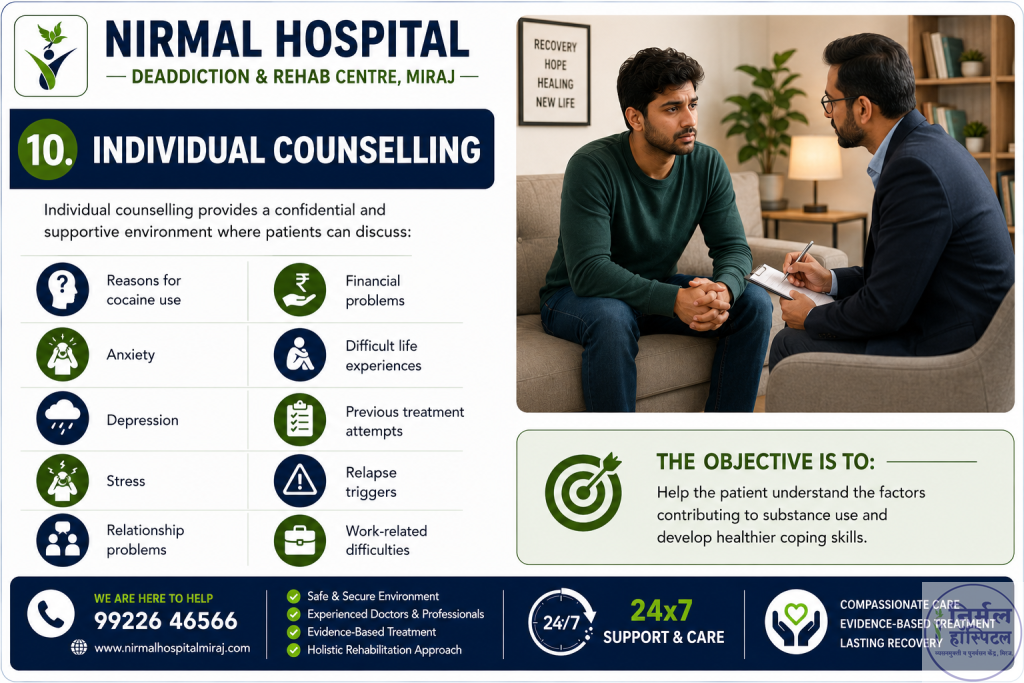
Individual counselling provides a confidential and supportive environment where patients can discuss:
- Reasons for cocaine use
- Cravings
- Anxiety
- Depression
- Stress
- Relationship problems
- Work-related difficulties
- Financial problems
- Difficult life experiences
- Previous treatment attempts
- Relapse triggers
The objective is to help the patient understand the factors contributing to substance use and develop healthier coping skills.
11. Family Counselling
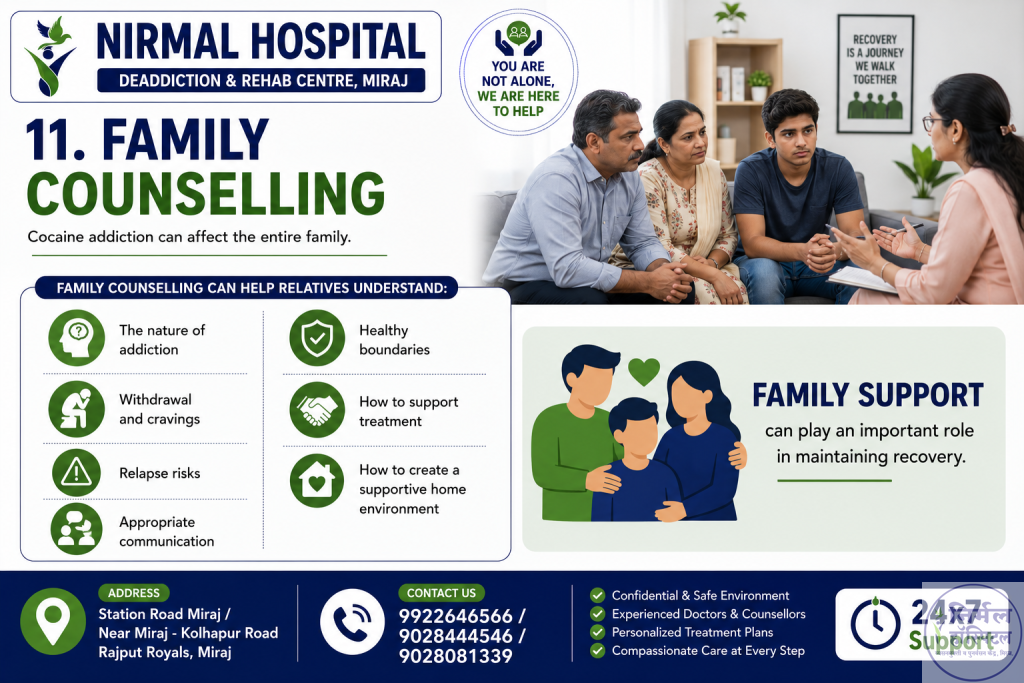
Cocaine addiction can affect the entire family.
Family counselling can help relatives understand:
- The nature of addiction
- Withdrawal and cravings
- Relapse risks
- Appropriate communication
- Healthy boundaries
- How to support treatment
- How to create a supportive home environment
Family support can play an important role in maintaining recovery.
12. Group Therapy and Support
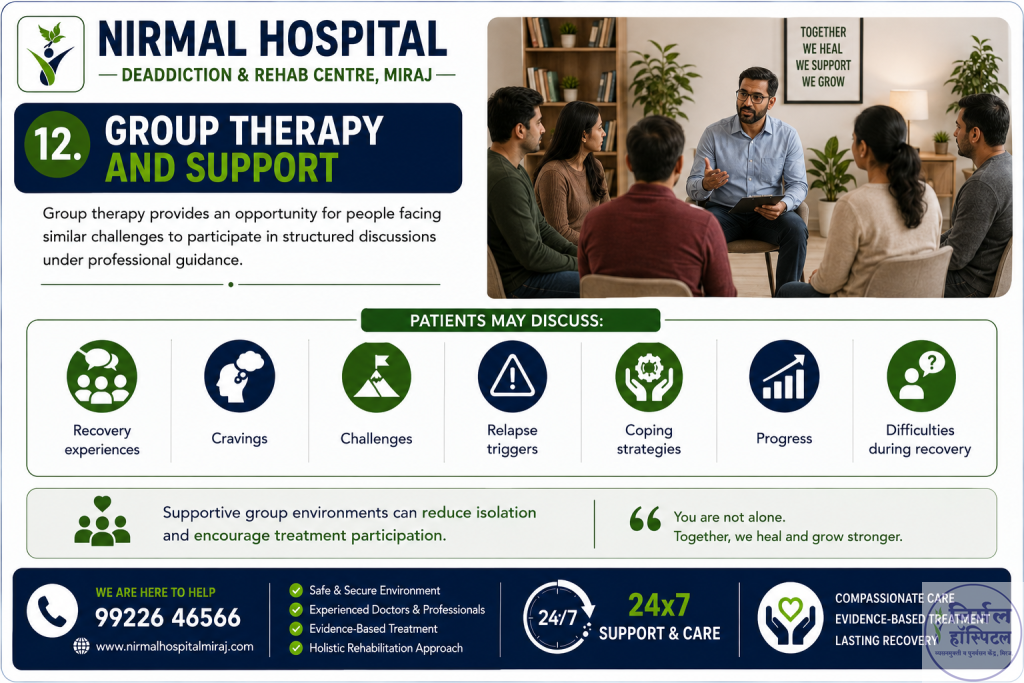
Group therapy provides an opportunity for people facing similar challenges to participate in structured discussions under professional guidance.
Patients may discuss:
- Recovery experiences
- Cravings
- Challenges
- Relapse triggers
- Coping strategies
- Progress
- Difficulties during recovery
Supportive group environments can reduce isolation and encourage treatment participation.
13. Rehabilitation and Lifestyle Modification
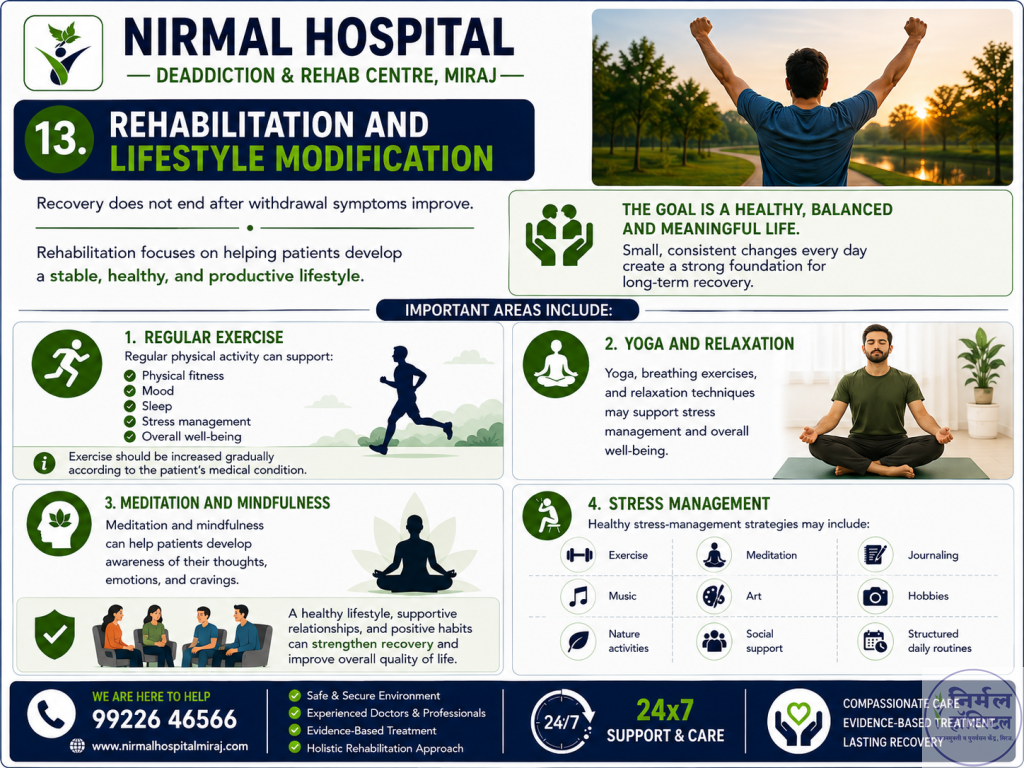
Recovery does not end after withdrawal symptoms improve.
Rehabilitation focuses on helping patients develop a stable, healthy, and productive lifestyle.
Important areas include:
Regular Exercise
Regular physical activity can support:
- Physical fitness
- Mood
- Sleep
- Stress management
- Overall well-being
Exercise should be increased gradually according to the patient’s medical condition.
Yoga and Relaxation
Yoga, breathing exercises, and relaxation techniques may support stress management and overall well-being.
Meditation and Mindfulness
Meditation and mindfulness can help patients develop awareness of their thoughts, emotions, and cravings.
Stress Management
Healthy stress-management strategies may include:
- Exercise
- Meditation
- Journaling
- Music
- Art
- Hobbies
- Nature activities
- Social support
- Structured daily routines
14. Healthy Diet During Cocaine Recovery
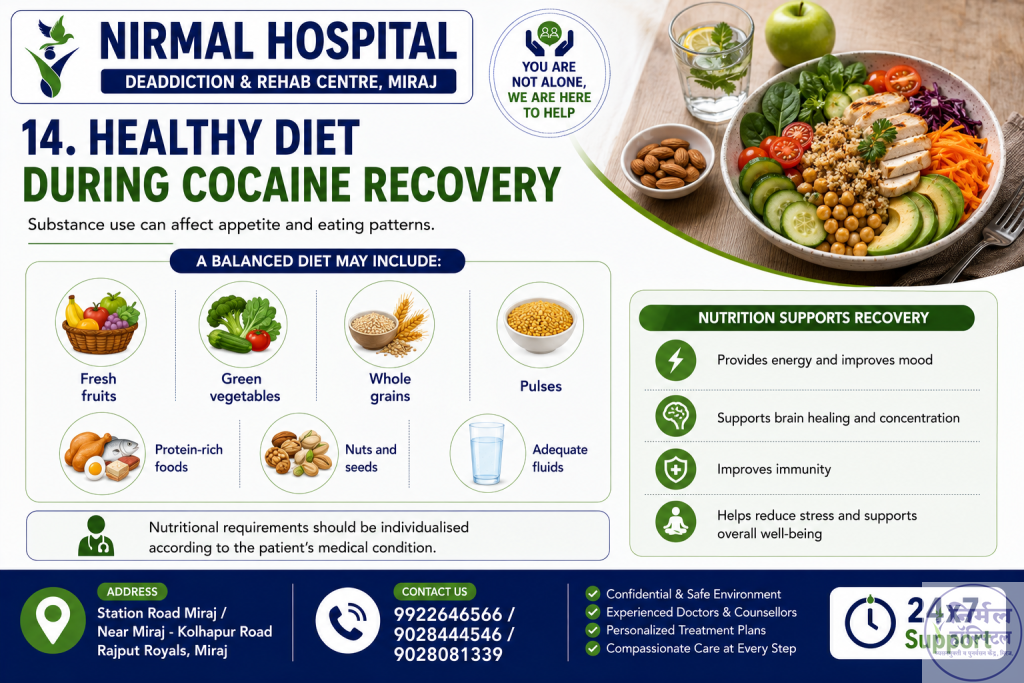
Substance use can affect appetite and eating patterns.
A balanced diet may include:
- Fresh fruits
- Green vegetables
- Whole grains
- Pulses
- Protein-rich foods
- Nuts and seeds
- Adequate fluids
Nutritional requirements should be individualised according to the patient’s medical condition.
15. Sleep and Recovery
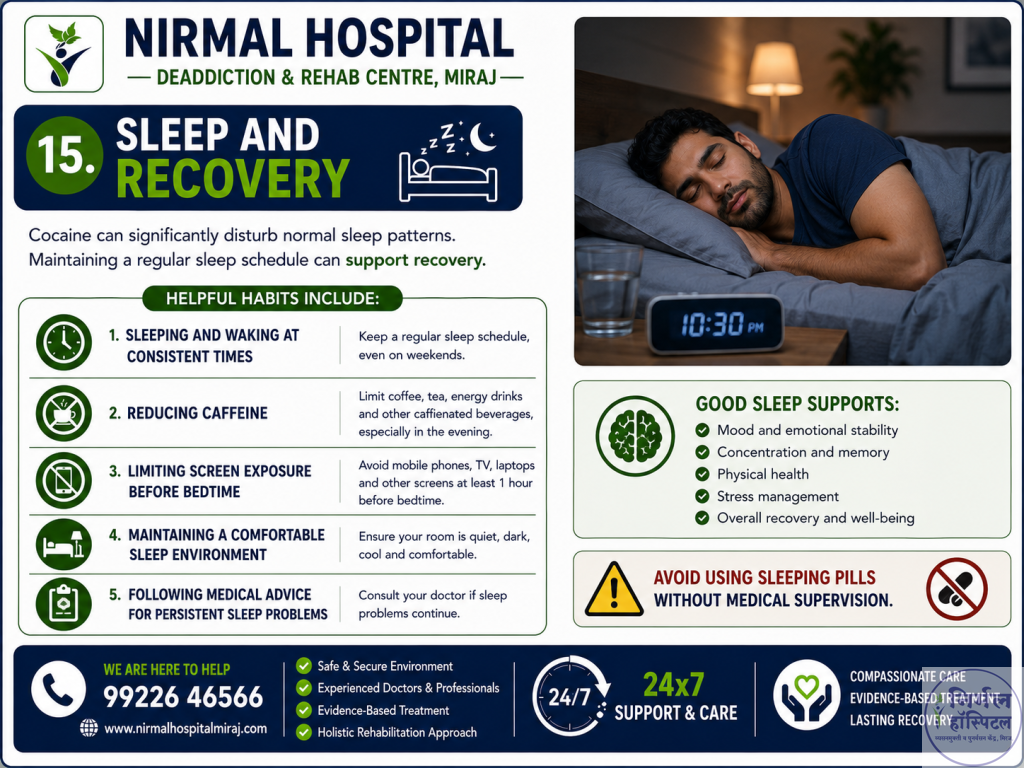
Cocaine can significantly disturb normal sleep patterns.
Maintaining a regular sleep schedule can support recovery.
Helpful habits include:
- Sleeping and waking at consistent times
- Reducing caffeine
- Limiting screen exposure before bedtime
- Maintaining a comfortable sleep environment
- Following medical advice for persistent sleep problems
Avoid using sleeping pills without medical supervision.
16. Long-Term Follow-Up and Continuing Care
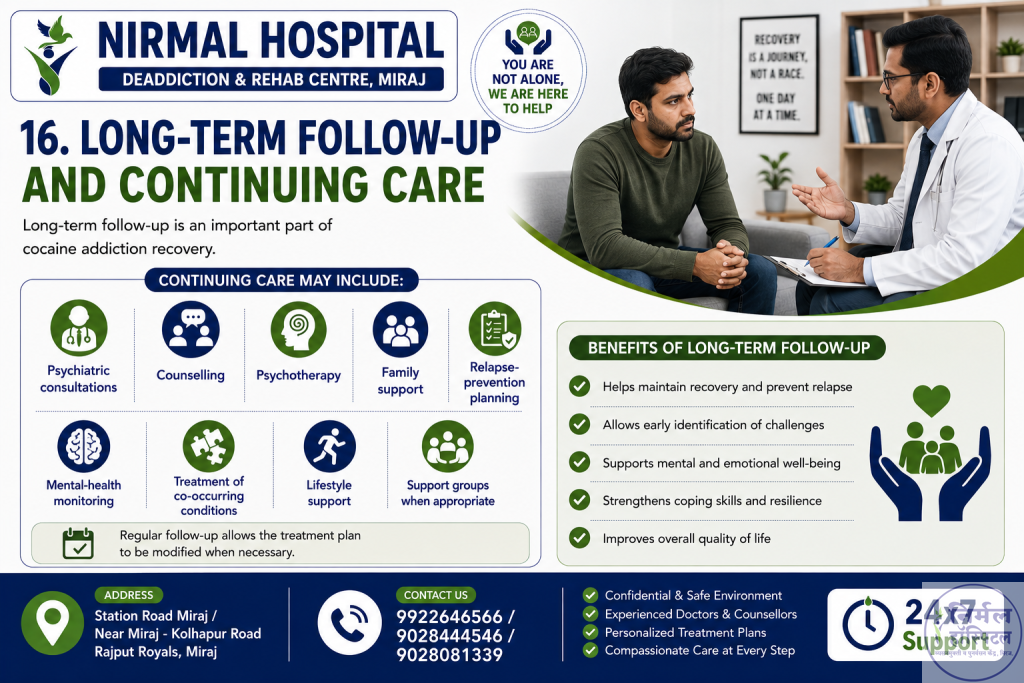
Long-term follow-up is an important part of cocaine addiction recovery.
Continuing care may include:
- Psychiatric consultations
- Counselling
- Psychotherapy
- Family support
- Relapse-prevention planning
- Mental-health monitoring
- Treatment of co-occurring conditions
- Lifestyle support
- Support groups when appropriate
Regular follow-up allows the treatment plan to be modified when necessary.
Cocaine Addiction Recovery: A Step-by-Step Journey
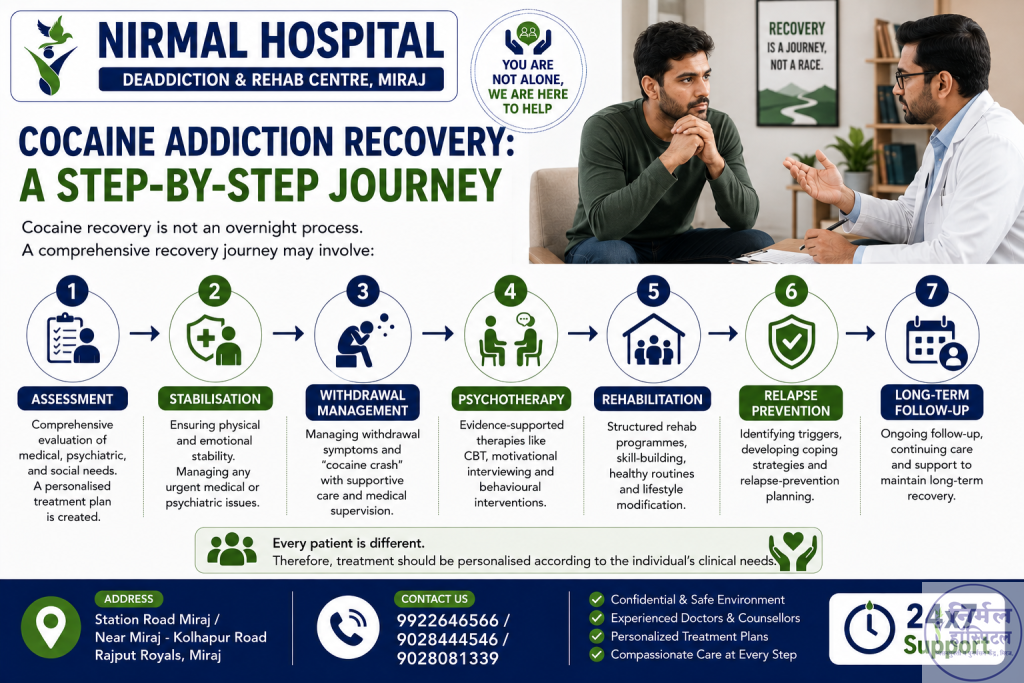
Cocaine recovery is not an overnight process.
A comprehensive recovery journey may involve:
Assessment → Stabilisation → Withdrawal Management → Psychotherapy → Rehabilitation → Relapse Prevention → Long-Term Follow-Up
Every patient is different. Therefore, treatment should be personalised according to the individual’s clinical needs.
Can Cocaine Addiction Be Treated?
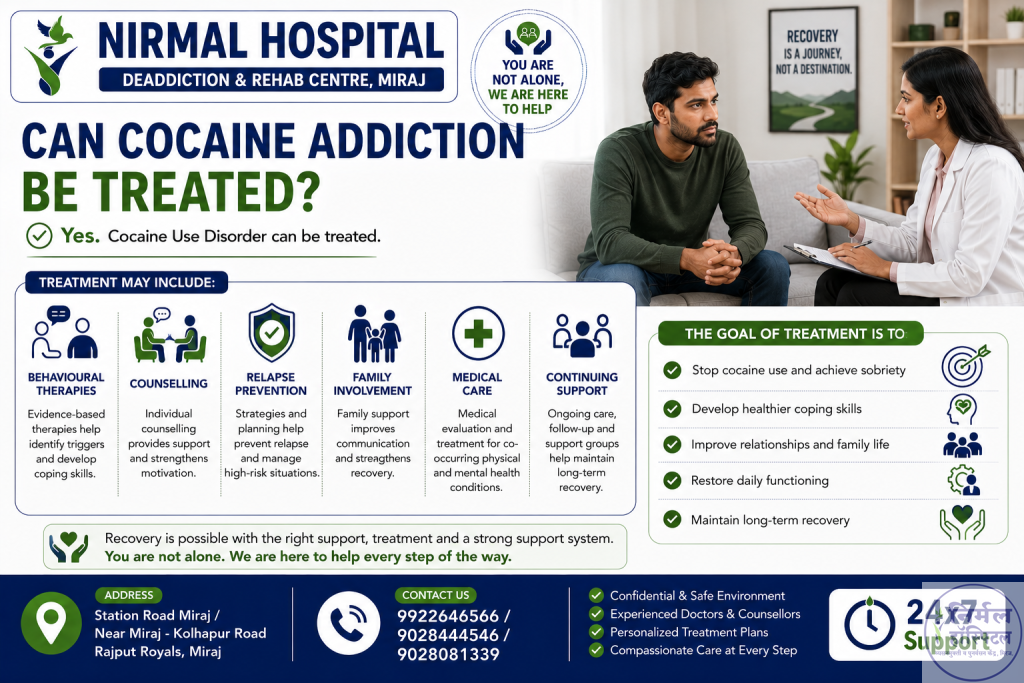
Yes. Cocaine Use Disorder can be treated.
Treatment may include behavioural therapies, counselling, relapse prevention, family involvement, medical care, and continuing support.
The goal is not only to stop cocaine use but also to help the patient develop healthier coping skills, improve relationships, restore daily functioning, and maintain long-term recovery.
When Is Emergency Medical Help Needed?
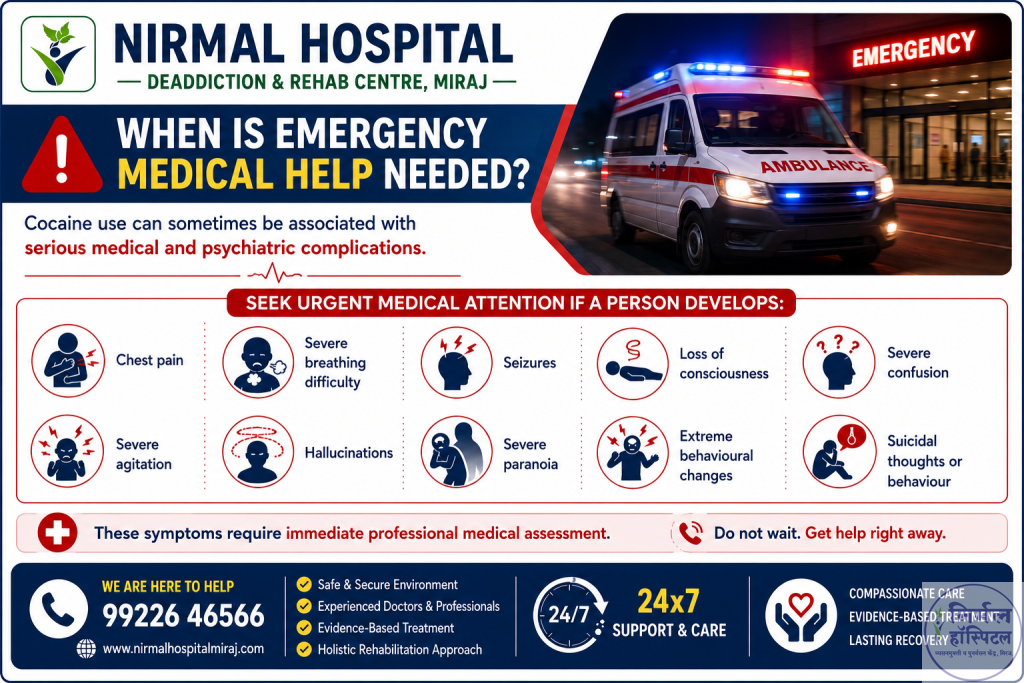
Cocaine use can sometimes be associated with serious medical and psychiatric complications.
Seek urgent medical attention if a person develops:
- Chest pain
- Severe breathing difficulty
- Seizures
- Loss of consciousness
- Severe confusion
- Severe agitation
- Hallucinations
- Severe paranoia
- Extreme behavioural changes
- Suicidal thoughts or behaviour
These symptoms require immediate professional medical assessment.
Important Guidelines for Patients and Families
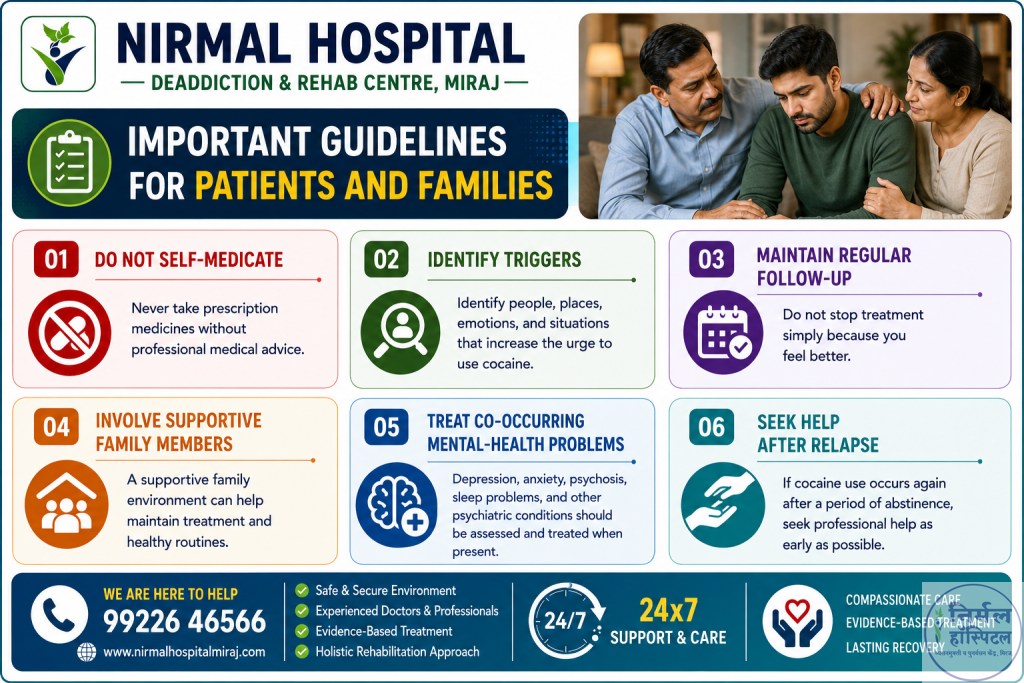
Do Not Self-Medicate
Never take prescription medicines without professional medical advice.
Identify Triggers
Identify people, places, emotions, and situations that increase the urge to use cocaine.
Maintain Regular Follow-Up
Do not stop treatment simply because you feel better.
Involve Supportive Family Members
A supportive family environment can help maintain treatment and healthy routines.
Treat Co-occurring Mental-Health Problems
Depression, anxiety, psychosis, sleep problems, and other psychiatric conditions should be assessed and treated when present.
Seek Help After Relapse
If cocaine use occurs again after a period of abstinence, seek professional help as early as possible.
Looking for Cocaine Addiction Treatment Near Me?
If you or someone in your family is searching for:
- Cocaine addiction treatment near me
- Cocaine rehab near me
- Cocaine deaddiction centre near me
- Cocaine treatment near me
- Cocaine rehabilitation near me
- Cocaine addiction counselling near me
- Cocaine withdrawal treatment near me
Nirmal Hospital, Miraj provides professional assessment and addiction treatment guidance based on the patient’s individual clinical needs.
Our treatment approach may include psychiatric assessment, withdrawal management, psychotherapy, counselling, behavioural treatment, family counselling, rehabilitation, relapse prevention, and continuing care.
We provide treatment support for patients and families from Miraj, Sangli, Kolhapur, Satara, Solapur, and surrounding areas, subject to clinical assessment and treatment requirements.
Why Choose Nirmal Hospital, Miraj for Cocaine Addiction Treatment?
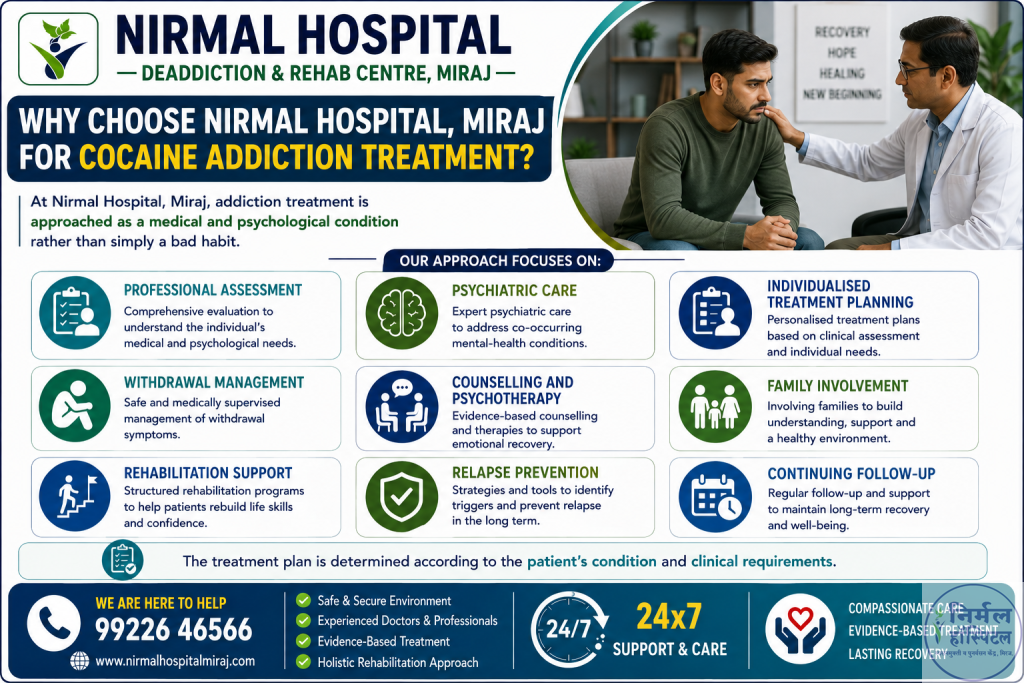
At Nirmal Hospital, Miraj, addiction treatment is approached as a medical and psychological condition rather than simply a bad habit.
Our approach focuses on:
- Professional assessment
- Psychiatric care
- Individualised treatment planning
- Withdrawal management
- Counselling and psychotherapy
- Family involvement
- Rehabilitation support
- Relapse prevention
- Continuing follow-up
The treatment plan is determined according to the patient’s condition and clinical requirements.
Take the First Step Toward Recovery
Cocaine addiction can affect every part of life, but seeking professional help is an important first step toward recovery.
If you are looking for cocaine addiction treatment near me or a cocaine rehab near me, contact Nirmal Hospital, Miraj for professional assessment and treatment guidance.
Do not wait until the problem becomes more severe.
Contact Nirmal Hospital, Miraj – 9922646566 / 9088444546 / 9028081339
Book an Appointment | Call Us | WhatsApp Us
Frequently Asked Questions
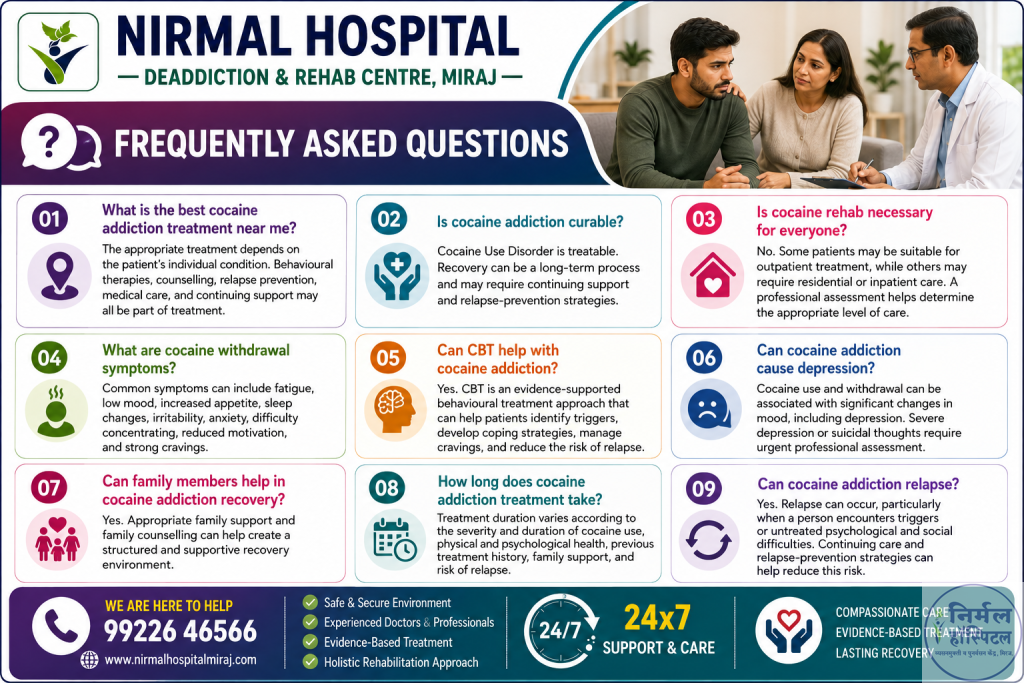
1. What is the best cocaine addiction treatment near me?
The appropriate treatment depends on the patient’s individual condition. Behavioural therapies, counselling, relapse prevention, medical care, and continuing support may all be part of treatment.
2. Is cocaine addiction curable?
Cocaine Use Disorder is treatable. Recovery can be a long-term process and may require continuing support and relapse-prevention strategies.
3. Is cocaine rehab necessary for everyone?
No. Some patients may be suitable for outpatient treatment, while others may require residential or inpatient care. A professional assessment helps determine the appropriate level of care.
4. What are cocaine withdrawal symptoms?
Common symptoms can include fatigue, low mood, increased appetite, sleep changes, irritability, anxiety, difficulty concentrating, reduced motivation, and strong cravings.
5. Can CBT help with cocaine addiction?
Yes. CBT is an evidence-supported behavioural treatment approach that can help patients identify triggers, develop coping strategies, manage cravings, and reduce the risk of relapse.
6. Can cocaine addiction cause depression?
Cocaine use and withdrawal can be associated with significant changes in mood, including depression. Severe depression or suicidal thoughts require urgent professional assessment.
7. Can family members help in cocaine addiction recovery?
Yes. Appropriate family support and family counselling can help create a structured and supportive recovery environment.
8. How long does cocaine addiction treatment take?
Treatment duration varies according to the severity and duration of cocaine use, physical and psychological health, previous treatment history, family support, and risk of relapse.
9. Can cocaine addiction relapse?
Yes. Relapse can occur, particularly when a person encounters triggers or untreated psychological and social difficulties. Continuing care and relapse-prevention strategies can help reduce this risk.
Cocaine Addiction Treatment Near Me – Nirmal Hospital, Miraj
Nirmal Hospital, Miraj is committed to providing professional addiction treatment and mental-health support for individuals and families seeking help with substance-use problems.
If you are searching for cocaine addiction treatment near me, cocaine rehab near me, or cocaine deaddiction centre near me, take the first step by consulting a qualified healthcare professional.
Your recovery journey can start with one decision: asking for help.
Choosing the right treatment centre is an important step towards recovery. Learn more about Why Choose Nirmal Hospital for cocaine addiction treatment, rehabilitation and psychiatric care. If you or your family member needs professional guidance, Contact Us or Reach Us to learn more about available treatment options.
Watch Our Video on Cocaine Addiction
If you or your family member wants to understand more about cocaine addiction, cocaine withdrawal symptoms, cocaine crash, side effects and treatment, watch our educational video by Nirmal Hospital, Miraj.


