


Anxiety Disorders: Understanding Anxiety, Its Symptoms, Causes & Types
Anxiety is a normal human emotion that everyone experiences from time to time. Feeling nervous before an examination, job interview, important meeting or difficult situation is a natural response to stress.
However, when anxiety becomes excessive, persistent, difficult to control or disproportionate to the actual situation, it may be a sign of an Anxiety Disorder.
Anxiety disorders are genuine mental health conditions. They are not a sign of weakness or “madness.” With proper diagnosis and professional mental health care, anxiety disorders can be effectively managed.
At Nirmal Hospital, Miraj, our mental health services focus on understanding the individual’s symptoms, identifying possible causes and providing appropriate psychiatric care.
What Is an Anxiety Disorder?
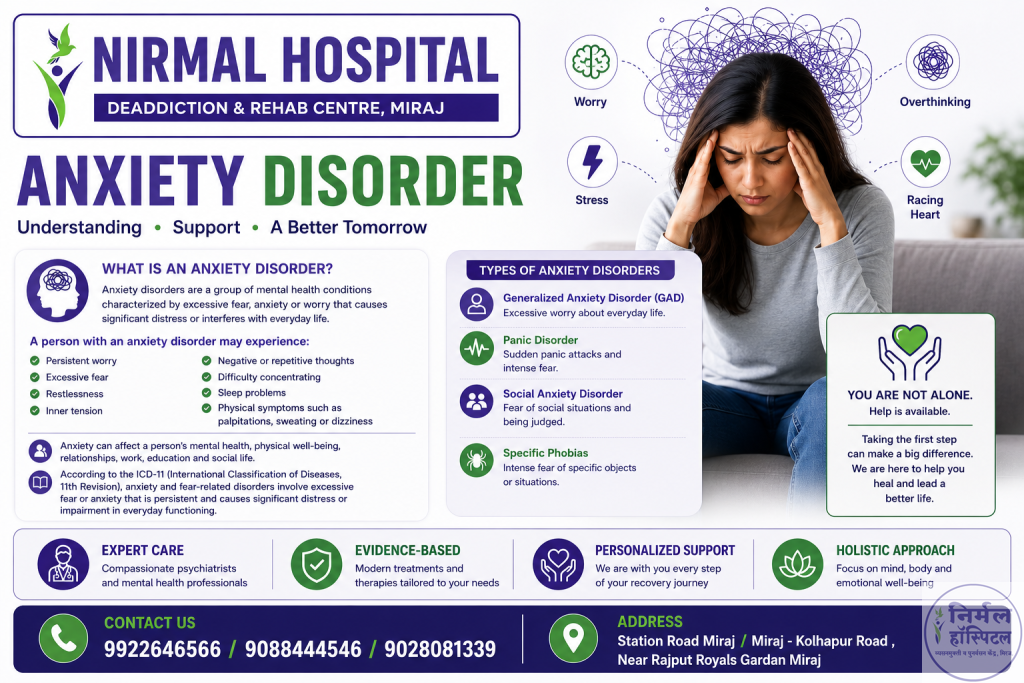
Anxiety disorders are a group of mental health conditions characterized by excessive fear, anxiety or worry that causes significant distress or interferes with everyday life.
A person with an anxiety disorder may experience:
- Persistent worry
- Excessive fear
- Restlessness
- Inner tension
- Negative or repetitive thoughts
- Difficulty concentrating
- Sleep problems
- Physical symptoms such as palpitations, sweating or dizziness
Anxiety can affect a person’s mental health, physical well-being, relationships, work, education and social life.
According to the ICD-11 (International Classification of Diseases, 11th Revision), anxiety and fear-related disorders involve excessive fear or anxiety that is persistent and causes significant distress or impairment in everyday functioning.
Normal Anxiety vs. Anxiety Disorder
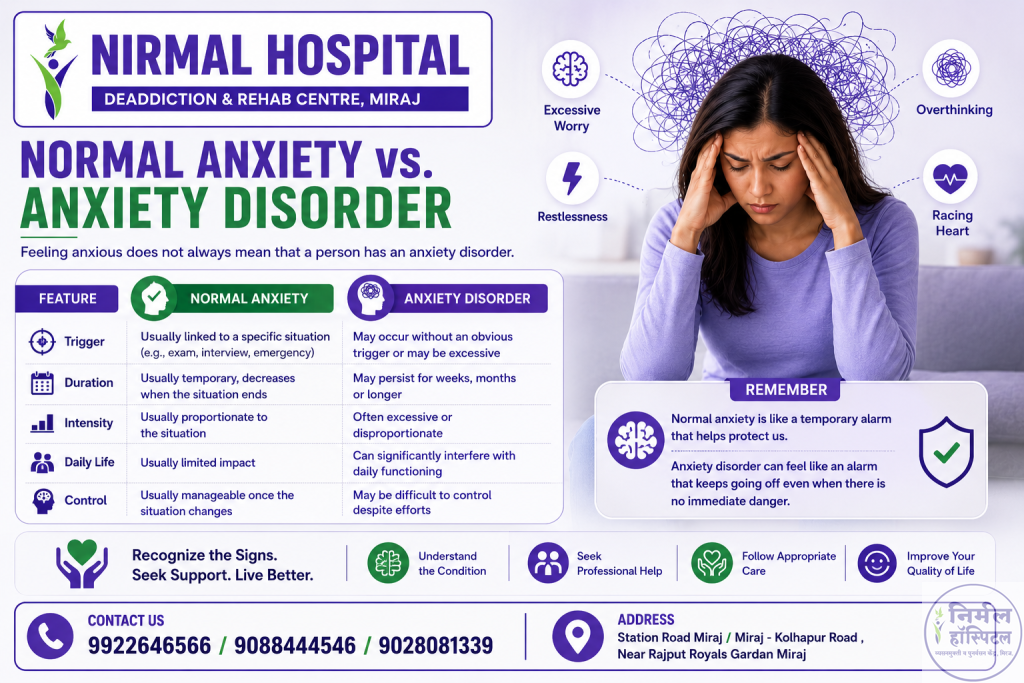
Feeling anxious does not always mean that a person has an anxiety disorder.
Normal Anxiety
Normal anxiety is usually a temporary response to a specific challenge or stressful situation.
For example:
- Examination
- Job interview
- Public speaking
- Important presentation
- Financial or personal difficulty
- Unexpected emergency
When the situation improves, the anxiety generally decreases.
Anxiety Disorder
Anxiety disorder may continue even when there is no immediate danger. The anxiety may become difficult to control and can interfere with normal daily activities.
| Feature | Normal Anxiety | Anxiety Disorder |
|---|---|---|
| Trigger | Usually linked to a specific situation | May occur without an obvious trigger or may be excessive |
| Duration | Usually temporary | May persist for weeks, months or longer |
| Intensity | Usually proportionate to the situation | Often excessive or disproportionate |
| Daily Life | Usually limited impact | Can significantly interfere with daily functioning |
| Control | Usually manageable | May be difficult to control |
A Simple Way to Understand It
Normal anxiety is like a temporary alarm that helps protect us. Anxiety disorder can feel like an alarm that keeps going off even when there is no immediate danger.
Causes of Anxiety Disorders
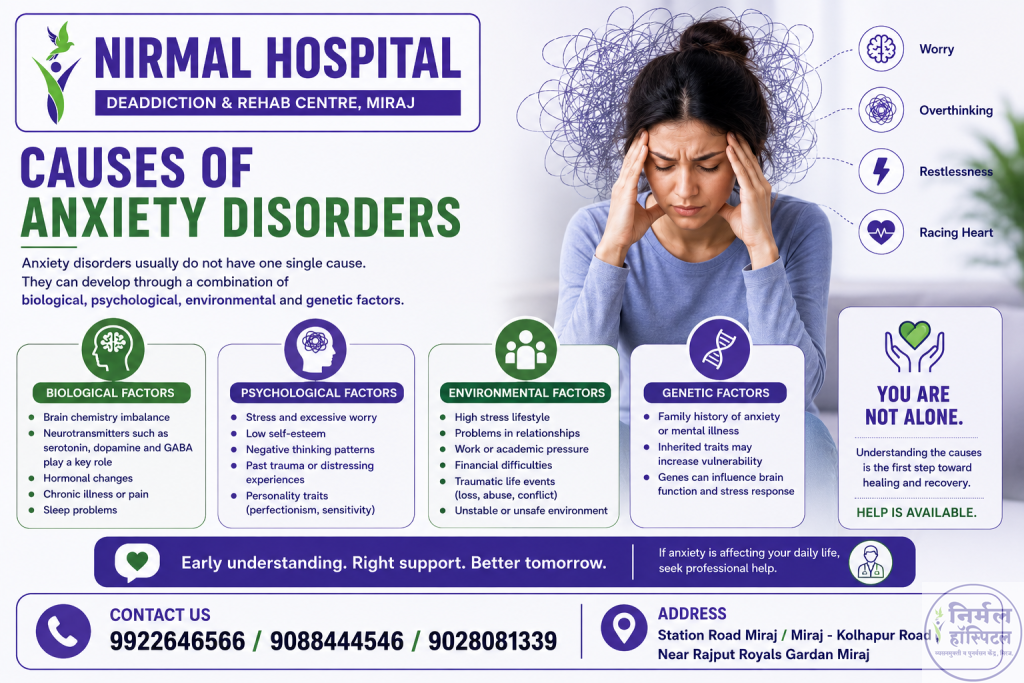
Anxiety disorders usually do not have one single cause. They can develop through a combination of biological, psychological, environmental and genetic factors.
1. Biological Factors
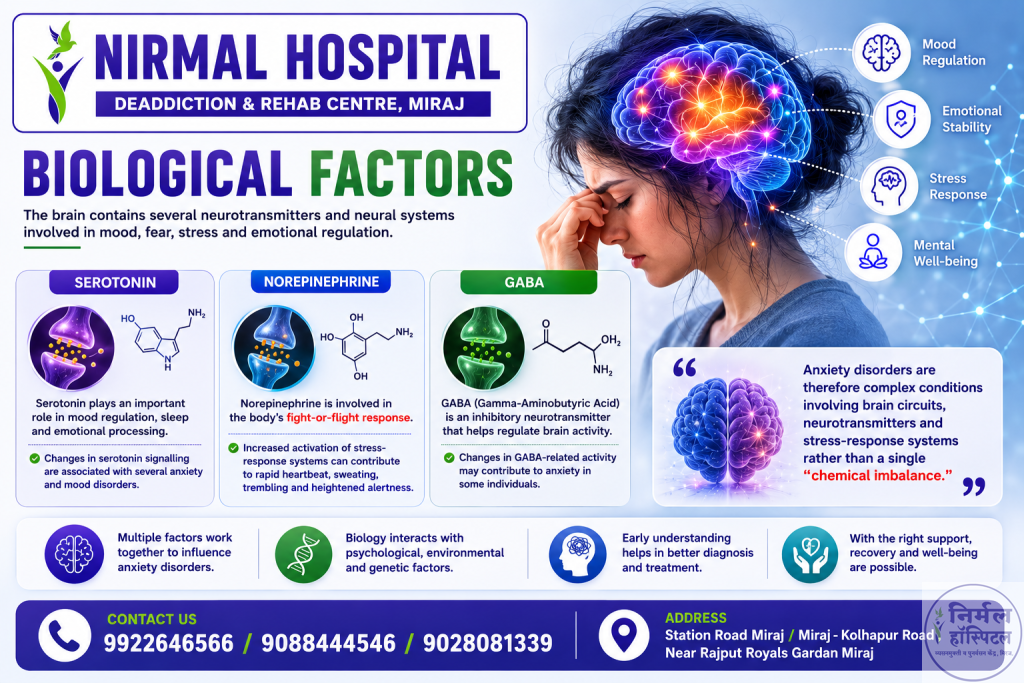
The brain contains several neurotransmitters and neural systems involved in mood, fear, stress and emotional regulation.
Serotonin
Serotonin plays an important role in mood regulation, sleep and emotional processing. Changes in serotonin signalling are associated with several anxiety and mood disorders.
Norepinephrine
Norepinephrine is involved in the body’s fight-or-flight response. Increased activation of stress-response systems can contribute to rapid heartbeat, sweating, trembling and heightened alertness.
GABA
GABA (Gamma-Aminobutyric Acid) is an inhibitory neurotransmitter that helps regulate brain activity. Changes in GABA-related activity may contribute to anxiety in some individuals.
Anxiety disorders are therefore complex conditions involving brain circuits, neurotransmitters and stress-response systems rather than a single “chemical imbalance.”
2. Psychological and Social Factors
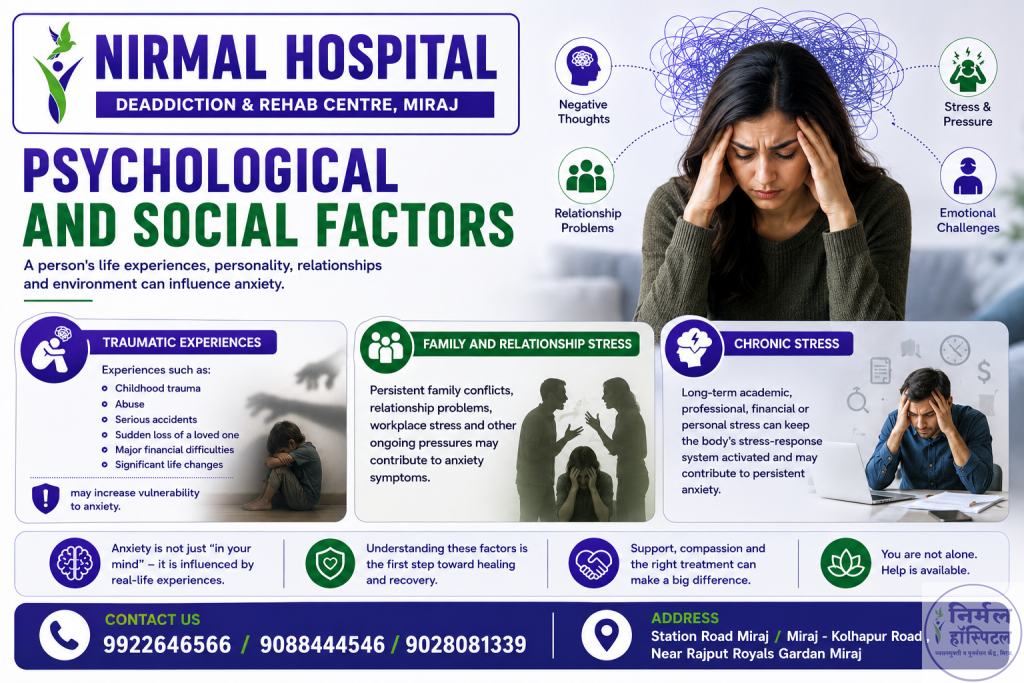
A person’s life experiences, personality, relationships and environment can influence anxiety.
Traumatic Experiences
Experiences such as:
- Childhood trauma
- Abuse
- Serious accidents
- Sudden loss of a loved one
- Major financial difficulties
- Significant life changes
may increase vulnerability to anxiety.
Family and Relationship Stress
Persistent family conflicts, relationship problems, workplace stress and other ongoing pressures may contribute to anxiety symptoms.
Chronic Stress
Long-term academic, professional, financial or personal stress can keep the body’s stress-response system activated and may contribute to persistent anxiety.
3. Genetic Factors
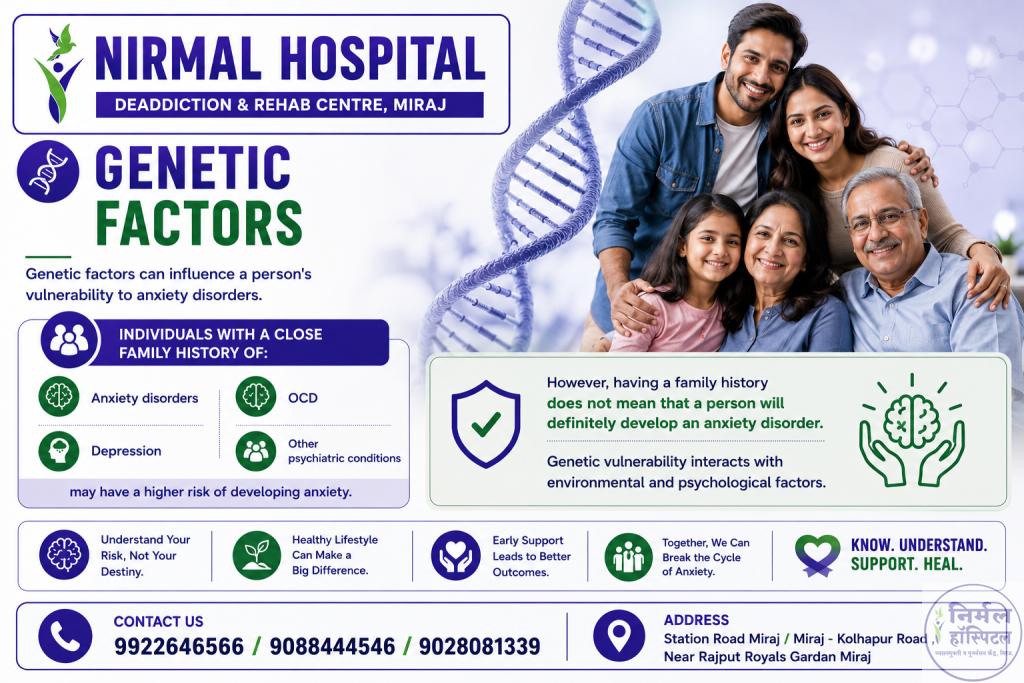
Genetic factors can influence a person’s vulnerability to anxiety disorders.
Individuals with a close family history of:
- Anxiety disorders
- Depression
- OCD
- Other psychiatric conditions
may have a higher risk of developing anxiety.
However, having a family history does not mean that a person will definitely develop an anxiety disorder. Genetic vulnerability interacts with environmental and psychological factors.
Major Types of Anxiety Disorders
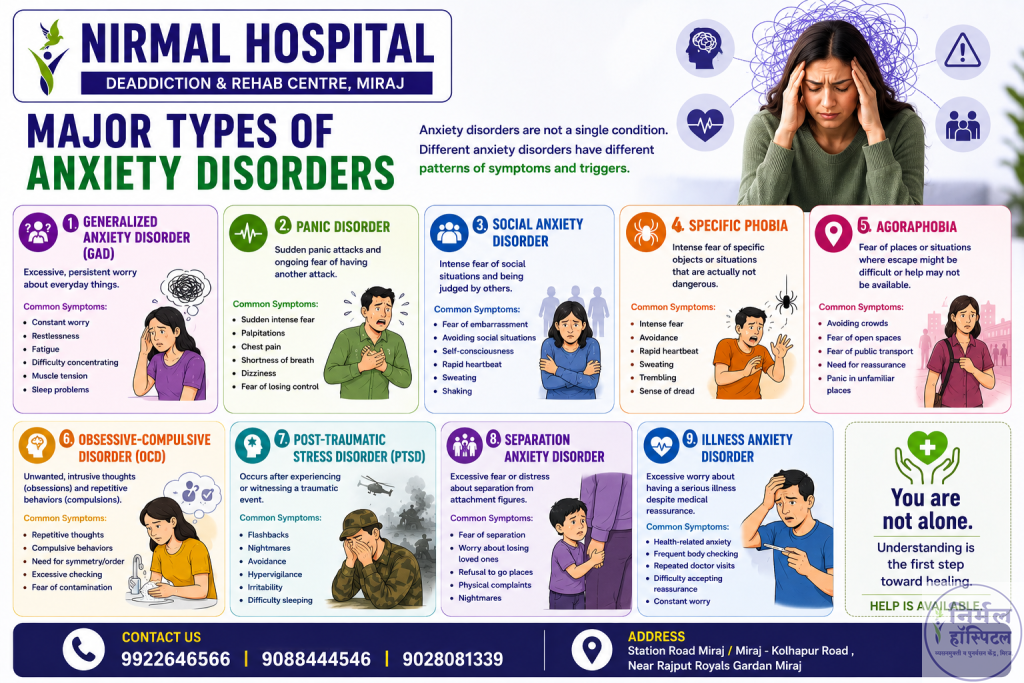
Anxiety disorders are not a single condition. Different anxiety disorders have different patterns of symptoms and triggers.
1. Generalized Anxiety Disorder (GAD)
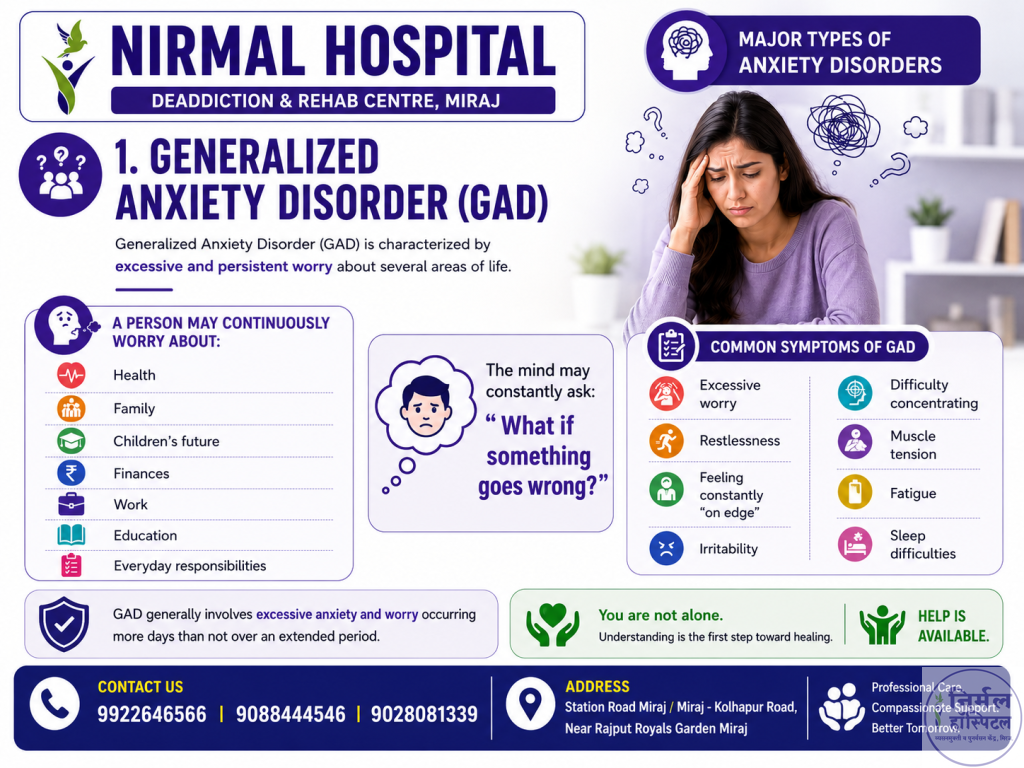
Generalized Anxiety Disorder (GAD) is characterized by excessive and persistent worry about several areas of life.
A person may continuously worry about:
- Health
- Family
- Children’s future
- Finances
- Work
- Education
- Everyday responsibilities
The mind may constantly ask:
“What if something goes wrong?”
Common Symptoms of GAD
- Excessive worry
- Restlessness
- Feeling constantly “on edge”
- Irritability
- Difficulty concentrating
- Muscle tension
- Fatigue
- Sleep difficulties
GAD generally involves excessive anxiety and worry occurring more days than not over an extended period.
2. Panic Disorder
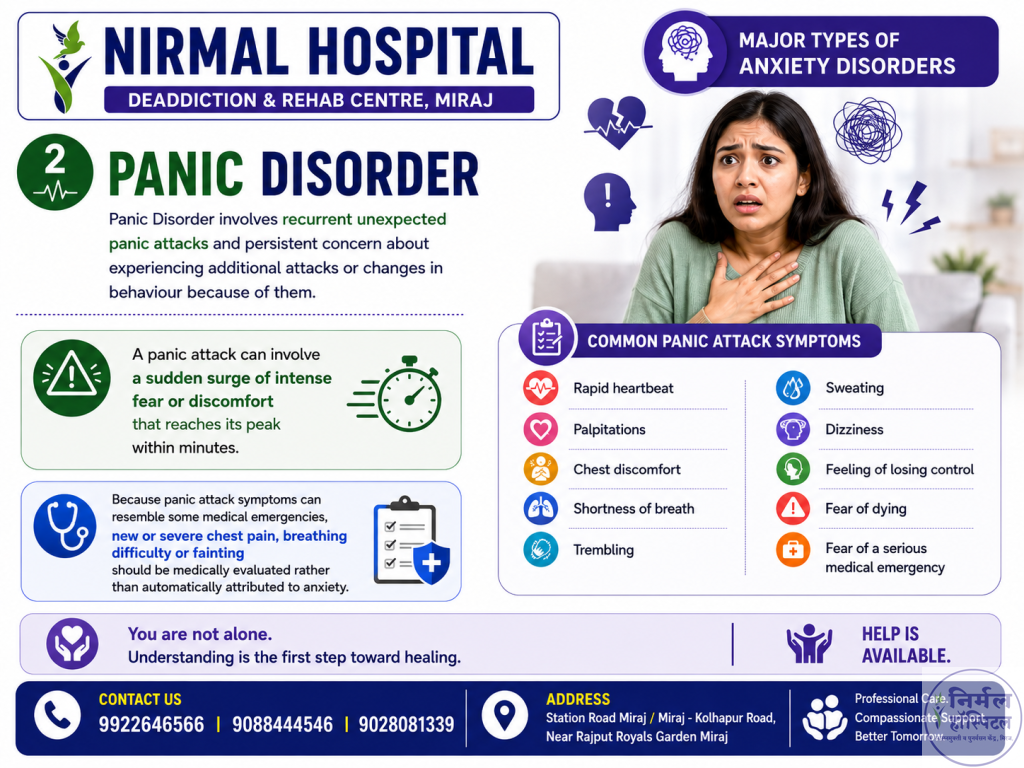
Panic Disorder involves recurrent unexpected panic attacks and persistent concern about experiencing additional attacks or changes in behaviour because of them.
A panic attack can involve a sudden surge of intense fear or discomfort that reaches its peak within minutes.
Common Panic Attack Symptoms
- Rapid heartbeat
- Palpitations
- Chest discomfort
- Shortness of breath
- Trembling
- Sweating
- Dizziness
- Feeling of losing control
- Fear of dying
- Fear of a serious medical emergency
Because panic attack symptoms can resemble some medical emergencies, new or severe chest pain, breathing difficulty or fainting should be medically evaluated rather than automatically attributed to anxiety.
3. Social Anxiety Disorder
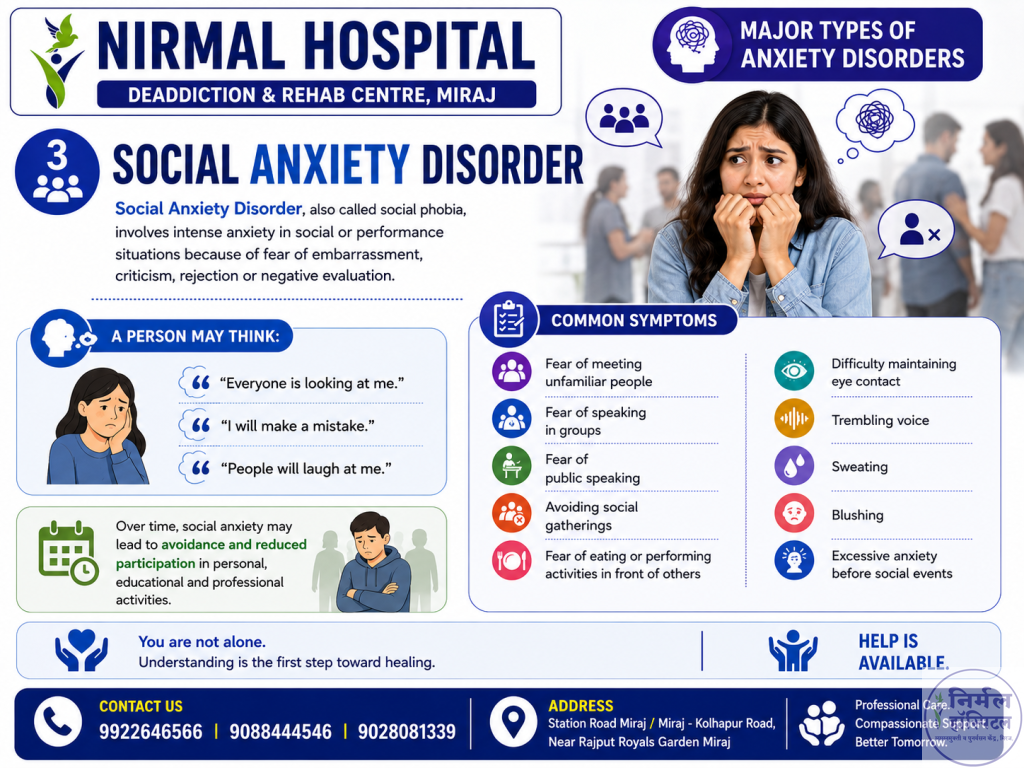
Social Anxiety Disorder, also called social phobia, involves intense anxiety in social or performance situations because of fear of embarrassment, criticism, rejection or negative evaluation.
A person may think:
“Everyone is looking at me.”
“I will make a mistake.”
“People will laugh at me.”
Common Symptoms
- Fear of meeting unfamiliar people
- Fear of speaking in groups
- Fear of public speaking
- Avoiding social gatherings
- Fear of eating or performing activities in front of others
- Difficulty maintaining eye contact
- Trembling voice
- Sweating
- Blushing
- Excessive anxiety before social events
Over time, social anxiety may lead to avoidance and reduced participation in personal, educational and professional activities.
4. Specific Phobias
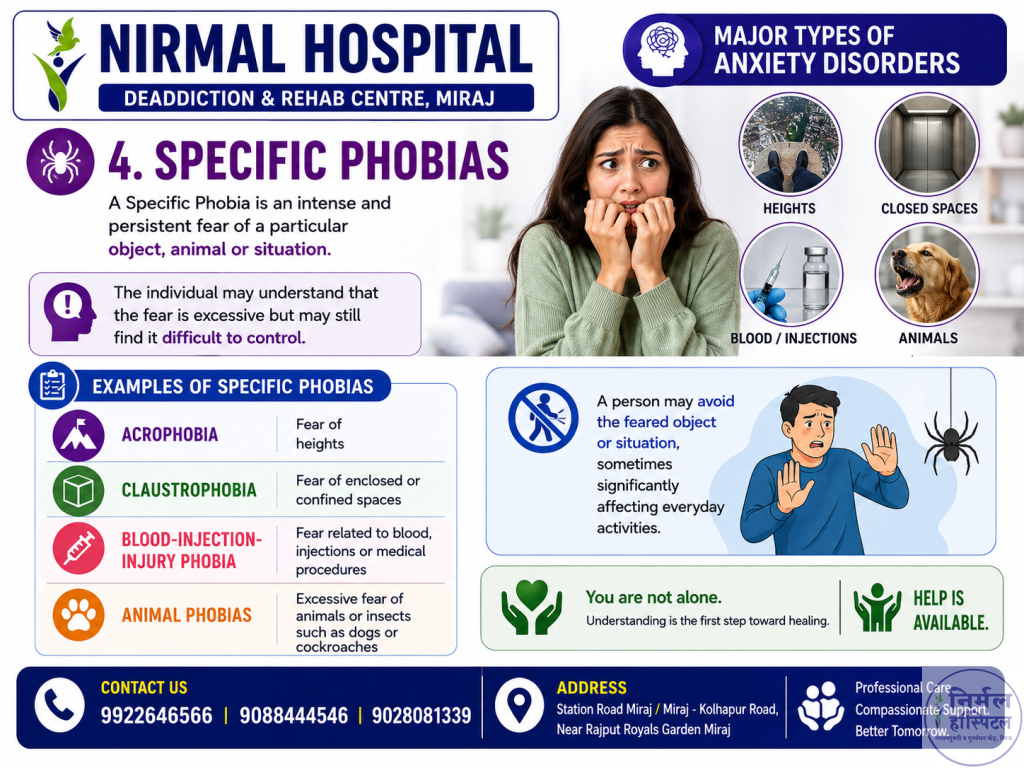
A Specific Phobia is an intense and persistent fear of a particular object, animal or situation.
The individual may understand that the fear is excessive but may still find it difficult to control.
Examples of Specific Phobias
Acrophobia: Fear of heights
Claustrophobia: Fear of enclosed or confined spaces
Blood-Injection-Injury Phobia: Fear related to blood, injections or medical procedures
Animal Phobias: Excessive fear of animals or insects such as dogs or cockroaches
A person may avoid the feared object or situation, sometimes significantly affecting everyday activities.
Symptoms of Anxiety Disorders
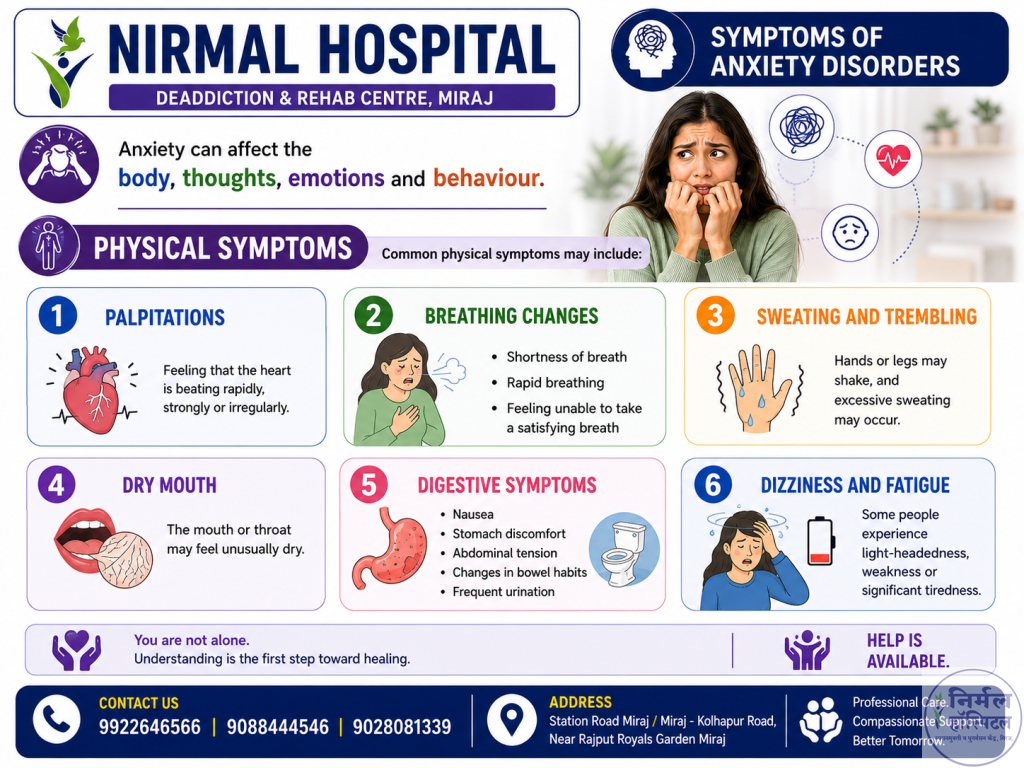
Anxiety can affect the body, thoughts, emotions and behaviour.
Physical Symptoms
Common physical symptoms may include:
Palpitations
Feeling that the heart is beating rapidly, strongly or irregularly.
Breathing Changes
- Shortness of breath
- Rapid breathing
- Feeling unable to take a satisfying breath
Sweating and Trembling
Hands or legs may shake, and excessive sweating may occur.
Dry Mouth
The mouth or throat may feel unusually dry.
Digestive Symptoms
- Nausea
- Stomach discomfort
- Abdominal tension
- Changes in bowel habits
- Frequent urination
Dizziness and Fatigue
Some people experience light-headedness, weakness or significant tiredness.
Psychological and Emotional Symptoms
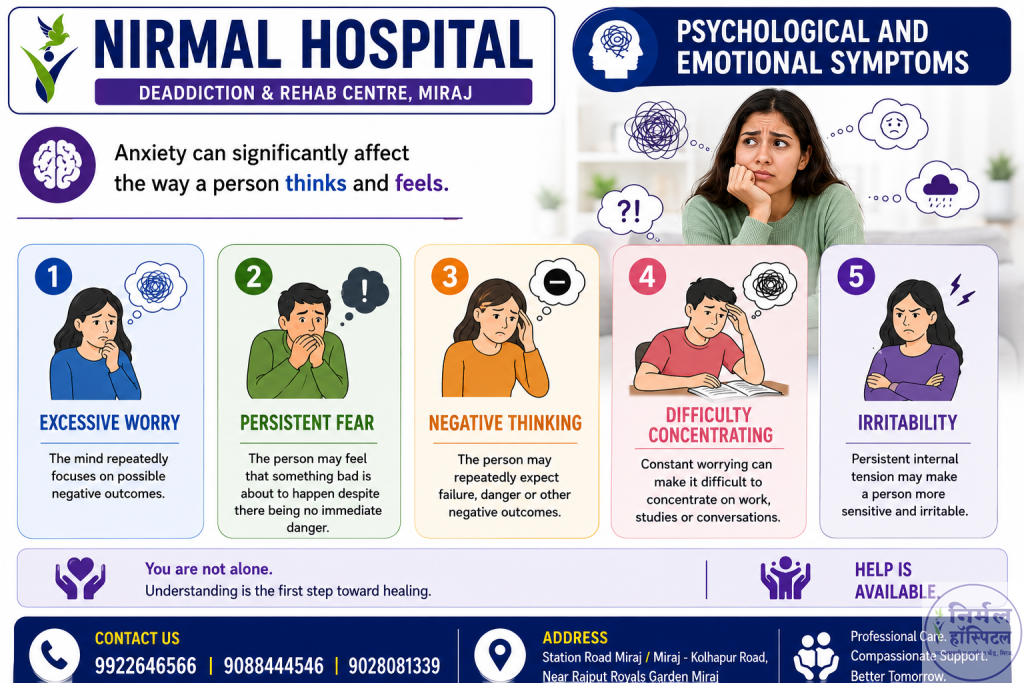
Anxiety can significantly affect the way a person thinks and feels.
Excessive Worry
The mind repeatedly focuses on possible negative outcomes.
Persistent Fear
The person may feel that something bad is about to happen despite there being no immediate danger.
Negative Thinking
The person may repeatedly expect failure, danger or other negative outcomes.
Difficulty Concentrating
Constant worrying can make it difficult to concentrate on work, studies or conversations.
Irritability
Persistent internal tension may make a person more sensitive and irritable.
Behavioural Symptoms
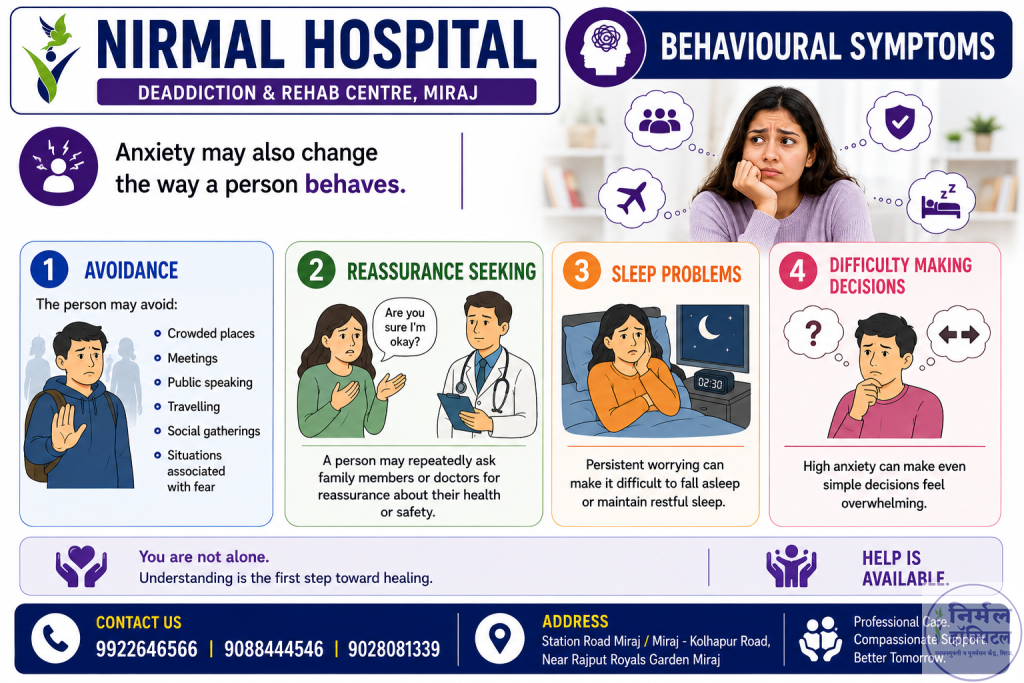
Anxiety may also change the way a person behaves.
Avoidance
The person may avoid:
- Crowded places
- Meetings
- Public speaking
- Travelling
- Social gatherings
- Situations associated with fear
Reassurance Seeking
A person may repeatedly ask family members or doctors for reassurance about their health or safety.
Sleep Problems
Persistent worrying can make it difficult to fall asleep or maintain restful sleep.
Difficulty Making Decisions
High anxiety can make even simple decisions feel overwhelming.
How Anxiety Disorders Can Affect Daily Life
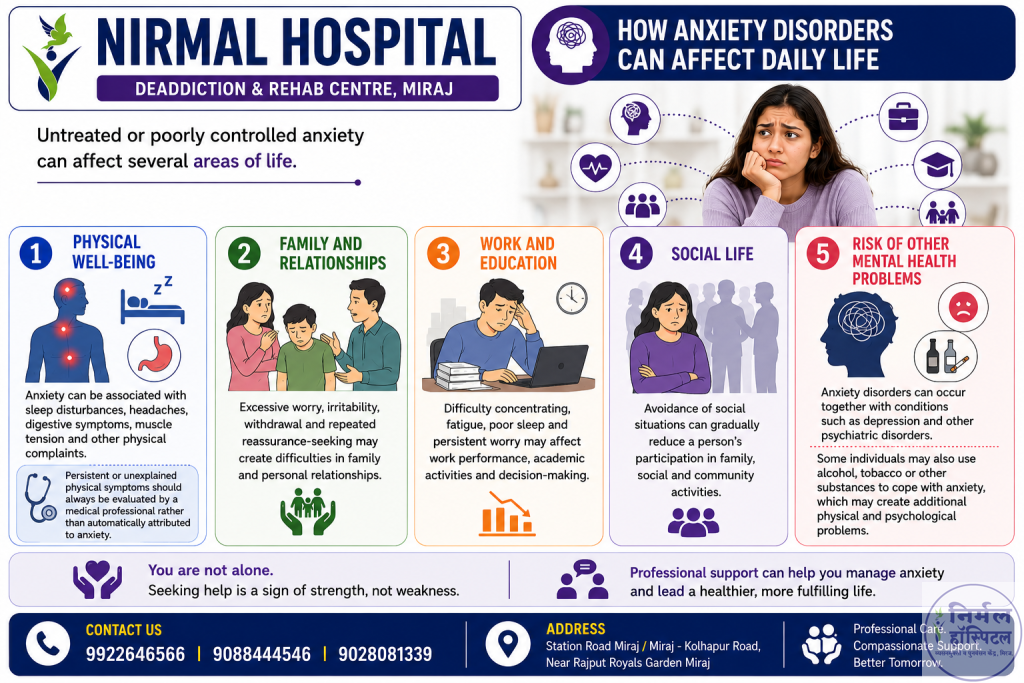
Untreated or poorly controlled anxiety can affect several areas of life.
Physical Well-Being
Anxiety can be associated with sleep disturbances, headaches, digestive symptoms, muscle tension and other physical complaints.
Persistent or unexplained physical symptoms should always be evaluated by a medical professional rather than automatically attributed to anxiety.
Family and Relationships
Excessive worry, irritability, withdrawal and repeated reassurance-seeking may create difficulties in family and personal relationships.
Work and Education
Difficulty concentrating, fatigue, poor sleep and persistent worry may affect work performance, academic activities and decision-making.
Social Life
Avoidance of social situations can gradually reduce a person’s participation in family, social and community activities.
Risk of Other Mental Health Problems
Anxiety disorders can occur together with conditions such as depression and other psychiatric disorders.
Some individuals may also use alcohol, tobacco or other substances to cope with anxiety, which may create additional physical and psychological problems.
When Should You Seek Professional Help?
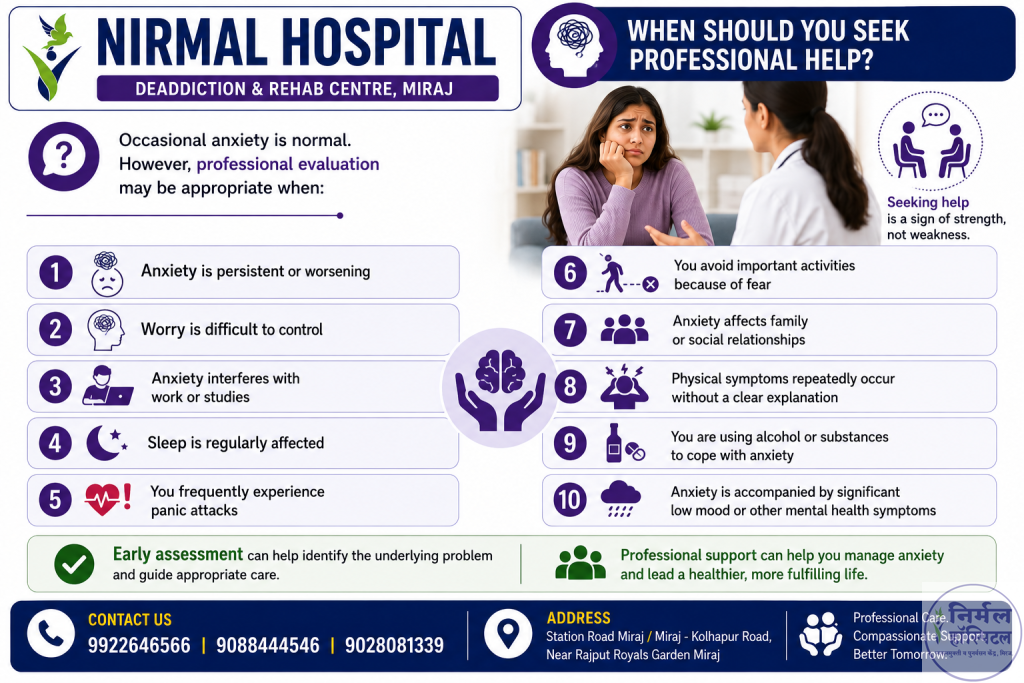
Occasional anxiety is normal. However, professional evaluation may be appropriate when:
- Anxiety is persistent or worsening
- Worry is difficult to control
- Anxiety interferes with work or studies
- Sleep is regularly affected
- You frequently experience panic attacks
- You avoid important activities because of fear
- Anxiety affects family or social relationships
- Physical symptoms repeatedly occur without a clear explanation
- You are using alcohol or substances to cope with anxiety
- Anxiety is accompanied by significant low mood or other mental health symptoms
Early assessment can help identify the underlying problem and guide appropriate care.
Anxiety Is Not a Sign of Weakness
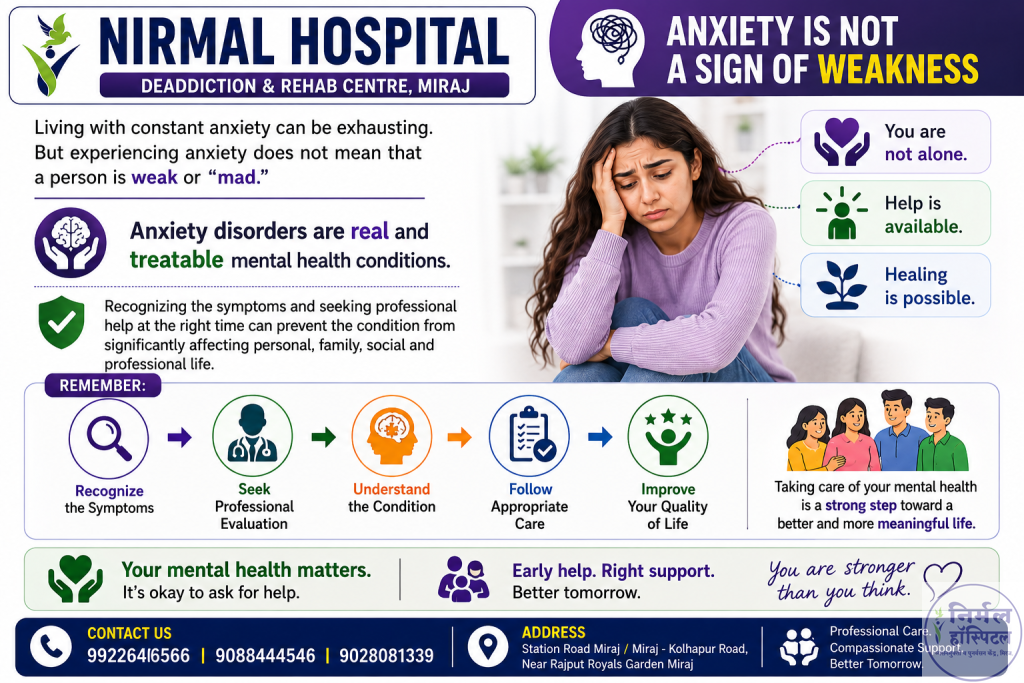
Living with constant anxiety can be exhausting. But experiencing anxiety does not mean that a person is weak or “mad.”
Anxiety disorders are real and treatable mental health conditions.
Recognizing the symptoms and seeking professional help at the right time can prevent the condition from significantly affecting personal, family, social and professional life.
Remember:
Recognize the Symptoms → Seek Professional Evaluation → Understand the Condition → Follow Appropriate Care → Improve Your Quality of Life
Anxiety Disorder Treatment
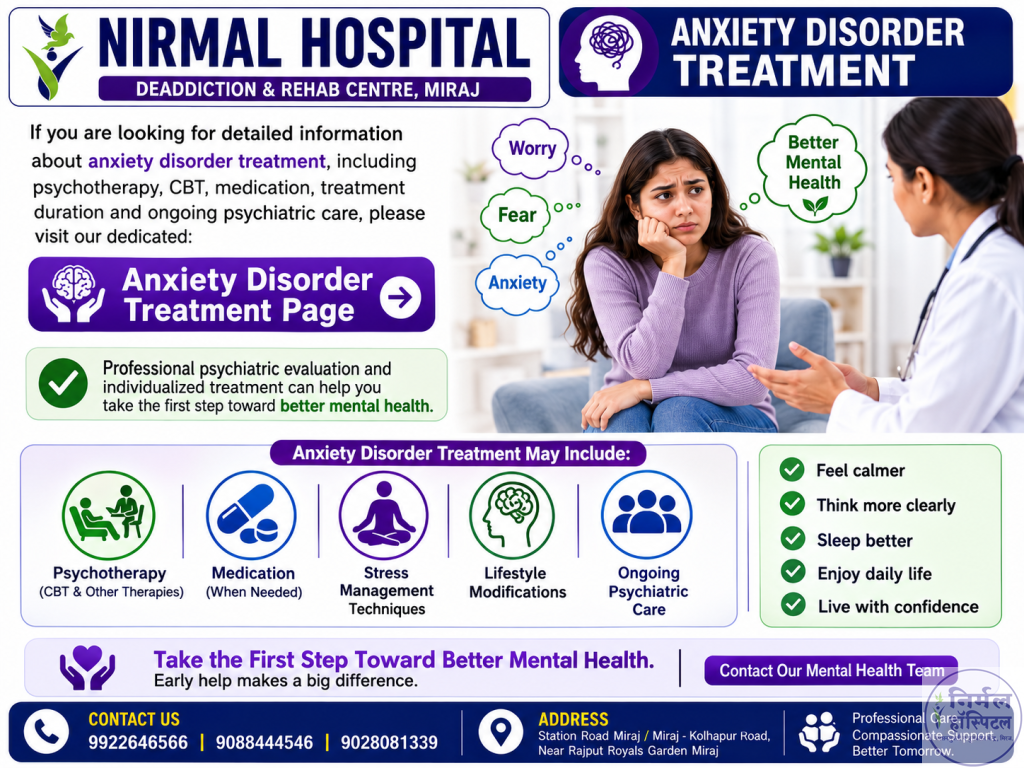
If you are looking for detailed information about anxiety disorder treatment, including psychotherapy, CBT, medication, treatment duration and ongoing psychiatric care, please visit our dedicated:
Anxiety Disorder Treatment Page
Professional psychiatric evaluation and individualized treatment can help you take the first step toward better mental health.
Frequently Asked Questions
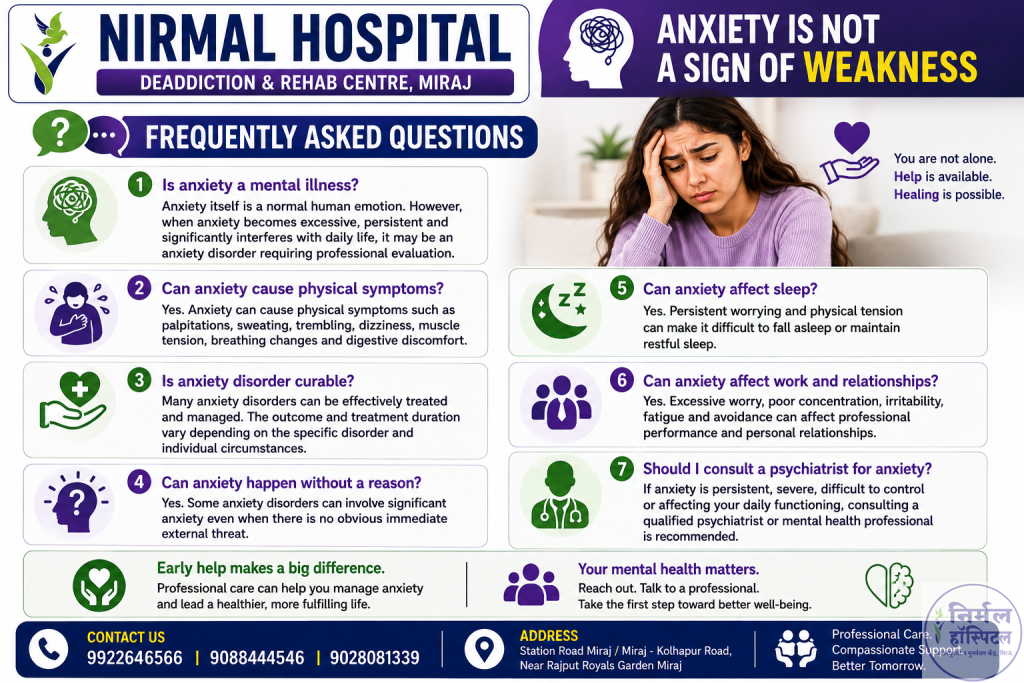
Is anxiety a mental illness?
Anxiety itself is a normal human emotion. However, when anxiety becomes excessive, persistent and significantly interferes with daily life, it may be an anxiety disorder requiring professional evaluation.
Can anxiety cause physical symptoms?
Yes. Anxiety can cause physical symptoms such as palpitations, sweating, trembling, dizziness, muscle tension, breathing changes and digestive discomfort.
Is anxiety disorder curable?
Many anxiety disorders can be effectively treated and managed. The outcome and treatment duration vary depending on the specific disorder and individual circumstances.
Can anxiety happen without a reason?
Yes. Some anxiety disorders can involve significant anxiety even when there is no obvious immediate external threat.
Can anxiety affect sleep?
Yes. Persistent worrying and physical tension can make it difficult to fall asleep or maintain restful sleep.
Can anxiety affect work and relationships?
Yes. Excessive worry, poor concentration, irritability, fatigue and avoidance can affect professional performance and personal relationships.
Should I consult a psychiatrist for anxiety?
If anxiety is persistent, severe, difficult to control or affecting your daily functioning, consulting a qualified psychiatrist or mental health professional is recommended.
Anxiety Disorder Care at Nirmal Hospital, Miraj
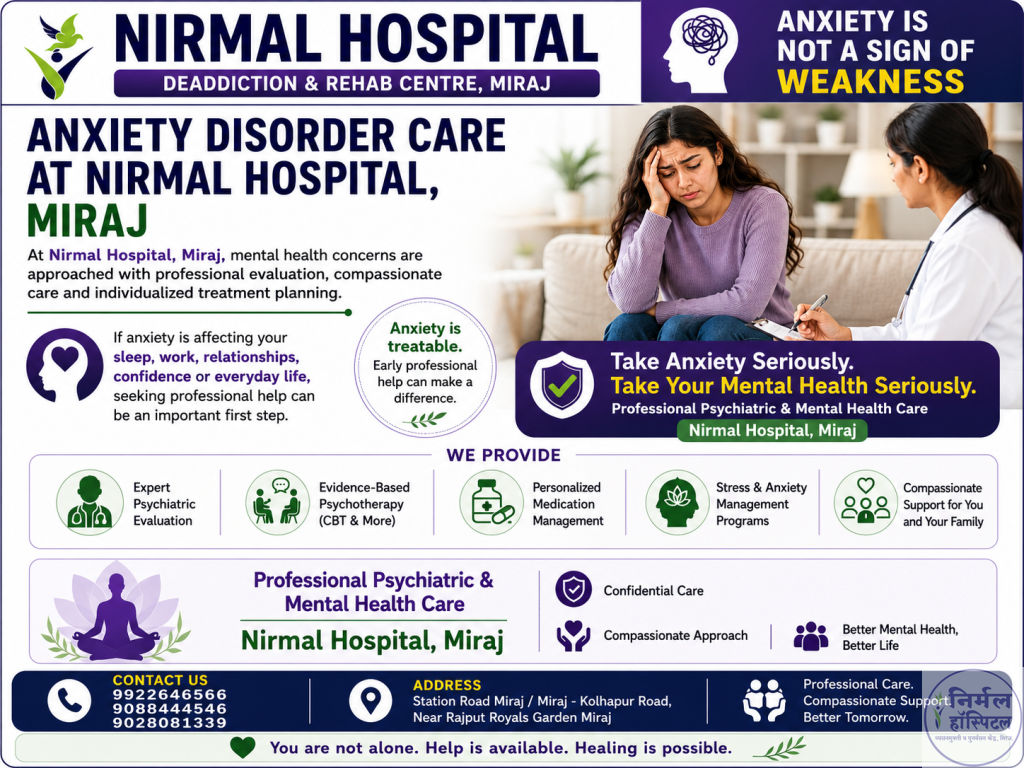
At Nirmal Hospital, Miraj, mental health concerns are approached with professional evaluation, compassionate care and individualized treatment planning.
If anxiety is affecting your sleep, work, relationships, confidence or everyday life, seeking professional help can be an important first step.
Take Anxiety Seriously. Take Your Mental Health Seriously.
Professional Psychiatric & Mental Health Care
Nirmal Hospital, Miraj
Anxiety is treatable. Early professional help can make a difference.
For More Information Please Click Here
For More Information About Treatment Please Click Here


Leave a Reply