

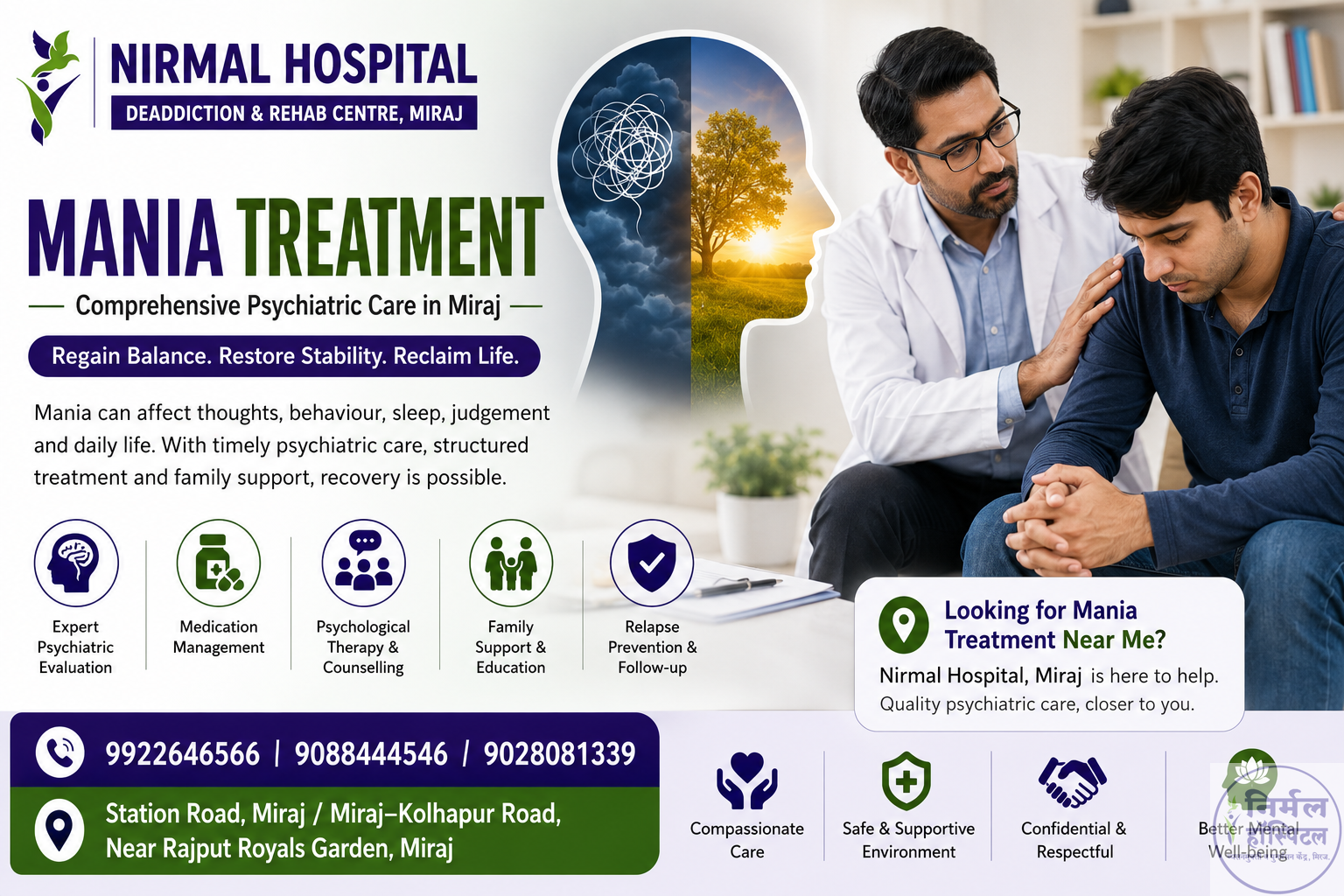
Mania Treatment – Comprehensive Psychiatric Care
What is Mania Treatment?
Mania treatment is designed to help stabilise mood, control excessive energy and activity, improve sleep and judgement, reduce impulsive or risky behaviour, and restore normal daily functioning.
Mania is more than simply feeling happy, energetic, or confident. During a manic episode, a person may experience major changes in thoughts, behaviour, sleep, decision-making, and social functioning. In some cases, reduced insight may make the person unable to recognise that professional help is needed.
At Nirmal Hospital, Miraj, psychiatric care is planned according to the individual’s symptoms, severity, diagnosis, medical history, previous treatment response, and overall mental health needs.
Goals of Mania Treatment
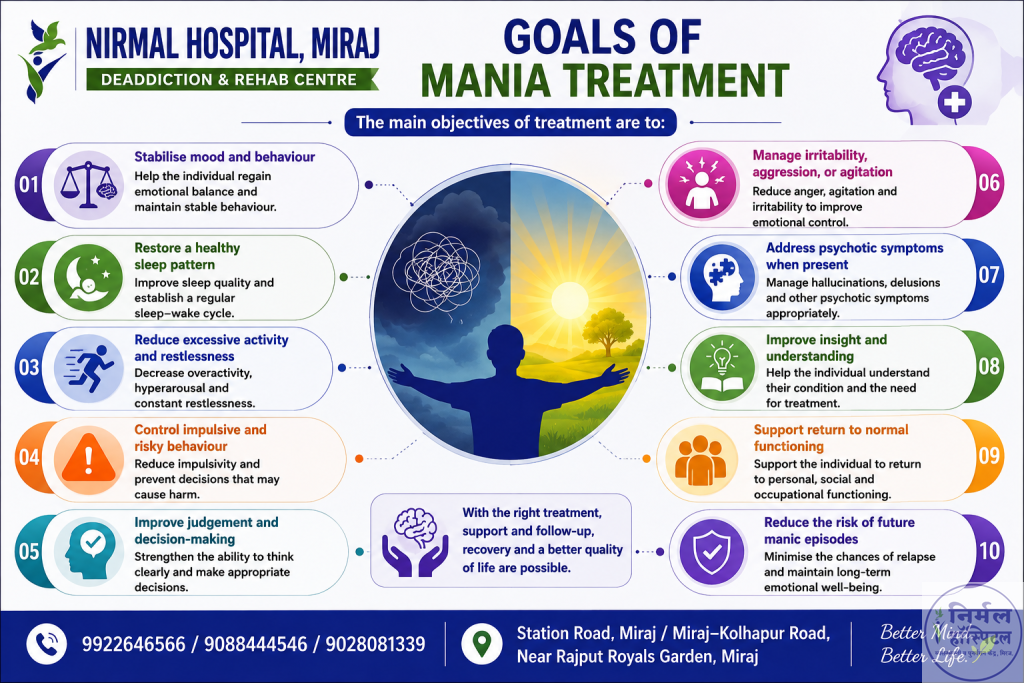
The main objectives of treatment are to:
- Stabilise mood and behaviour
- Restore a healthy sleep pattern
- Reduce excessive activity and restlessness
- Control impulsive and risky behaviour
- Improve judgement and decision-making
- Manage irritability, aggression, or agitation
- Address psychotic symptoms when present
- Improve insight and understanding of the condition
- Support return to normal personal, social, and occupational functioning
- Reduce the risk of future manic episodes
How is Mania Treated?
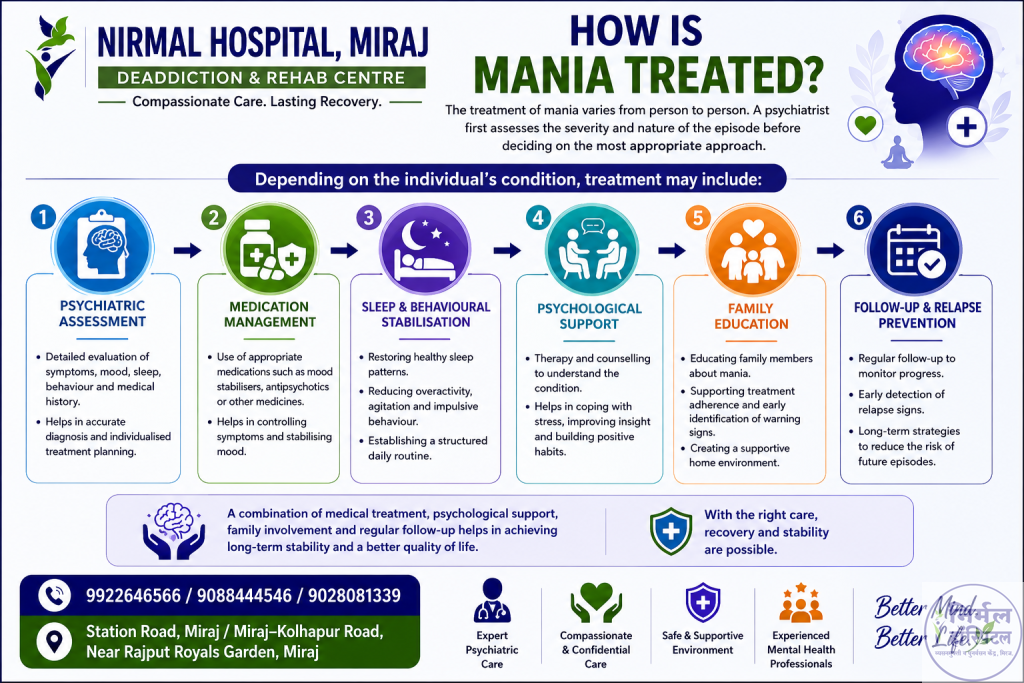
The treatment of mania varies from person to person. A psychiatrist first assesses the severity and nature of the episode before deciding on the most appropriate approach.
Depending on the individual’s condition, treatment may include:
Psychiatric Assessment → Medication Management → Sleep & Behavioural Stabilisation → Psychological Support → Family Education → Follow-up & Relapse Prevention
1. Psychiatric Assessment
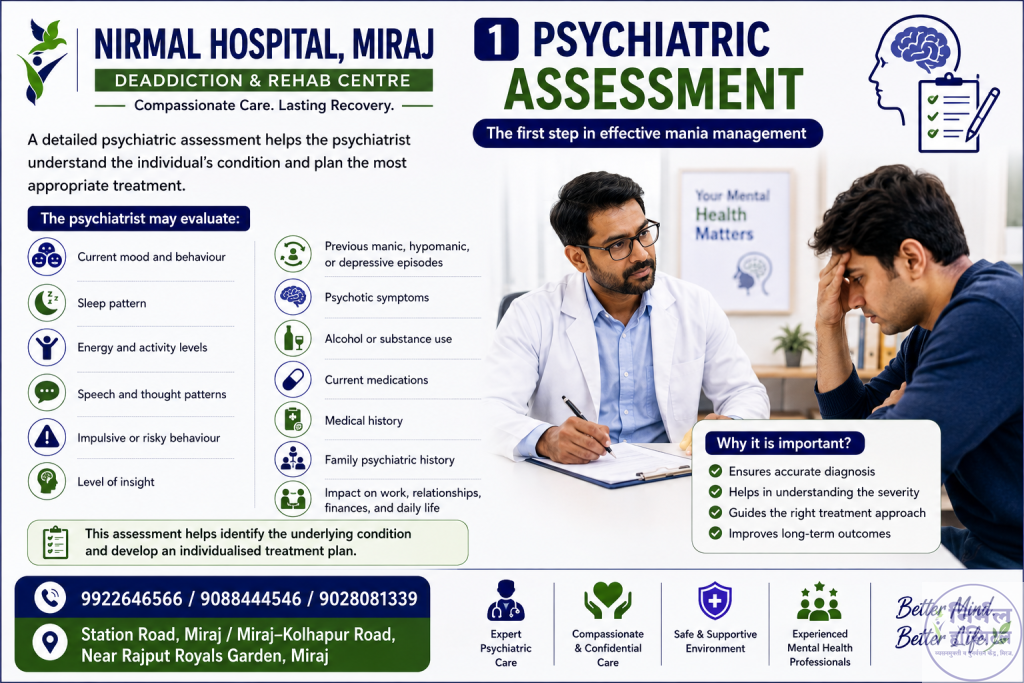
A detailed psychiatric assessment is the first step in effective mania management.
The psychiatrist may evaluate:
- Current mood and behaviour
- Sleep pattern
- Energy and activity levels
- Speech and thought patterns
- Impulsive or risky behaviour
- Level of insight
- Previous manic, hypomanic, or depressive episodes
- Psychotic symptoms
- Alcohol or substance use
- Current medications
- Medical history
- Family psychiatric history
- Impact on work, relationships, finances, and daily life
This assessment helps identify the underlying condition and develop an individualised treatment plan.
2. Medication Management
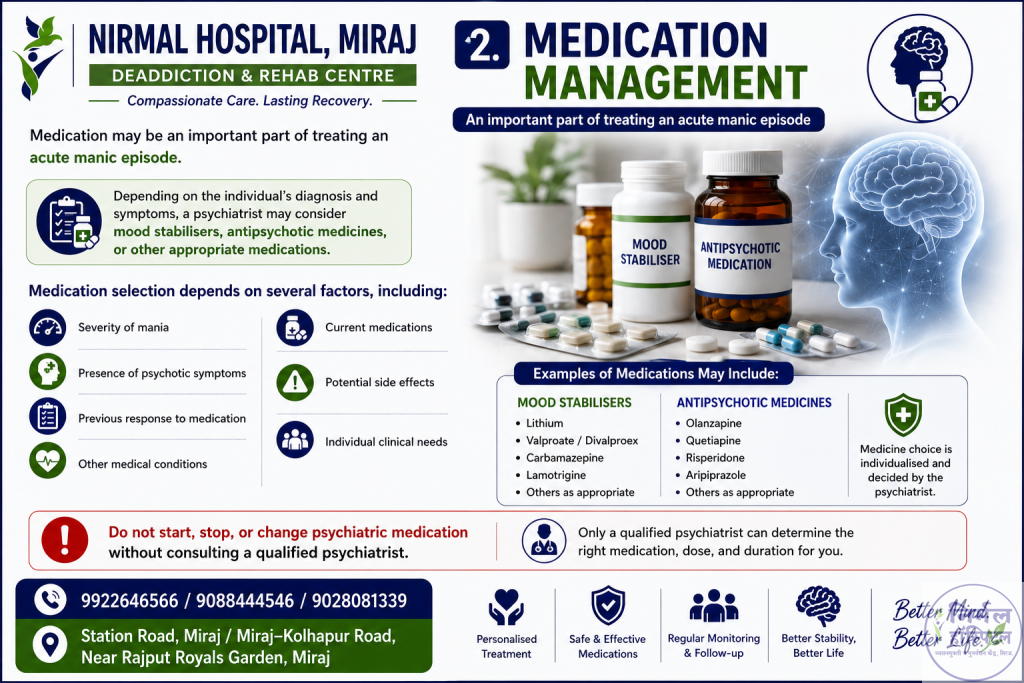
Medication may be an important part of treating an acute manic episode.
Depending on the individual’s diagnosis and symptoms, a psychiatrist may consider mood stabilisers, antipsychotic medicines, or other appropriate medications.
Medication selection depends on several factors, including:
- Severity of mania
- Presence of psychotic symptoms
- Previous response to medication
- Other medical conditions
- Current medications
- Potential side effects
- Individual clinical needs
Do not start, stop, or change psychiatric medication without consulting a qualified psychiatrist.
3. Sleep Stabilisation
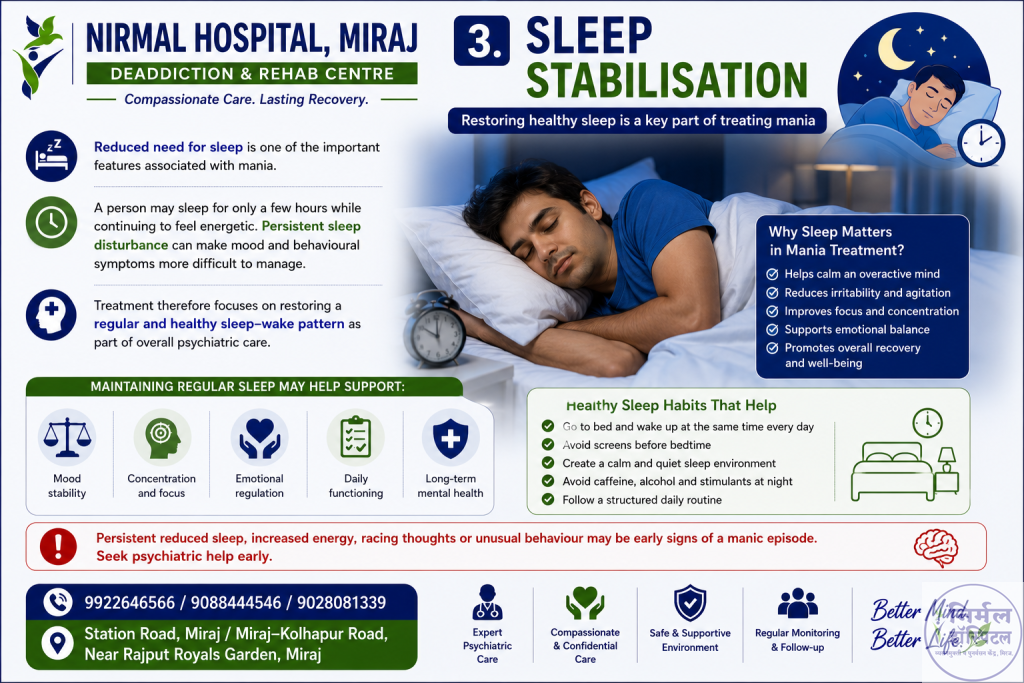
Reduced need for sleep is one of the important features associated with mania.
A person may sleep for only a few hours while continuing to feel energetic. Persistent sleep disturbance can make mood and behavioural symptoms more difficult to manage.
Treatment therefore focuses on restoring a regular and healthy sleep-wake pattern as part of overall psychiatric care.
Maintaining regular sleep may help support:
- Mood stability
- Concentration
- Emotional regulation
- Daily functioning
- Long-term mental health
4. Behavioural Stabilisation
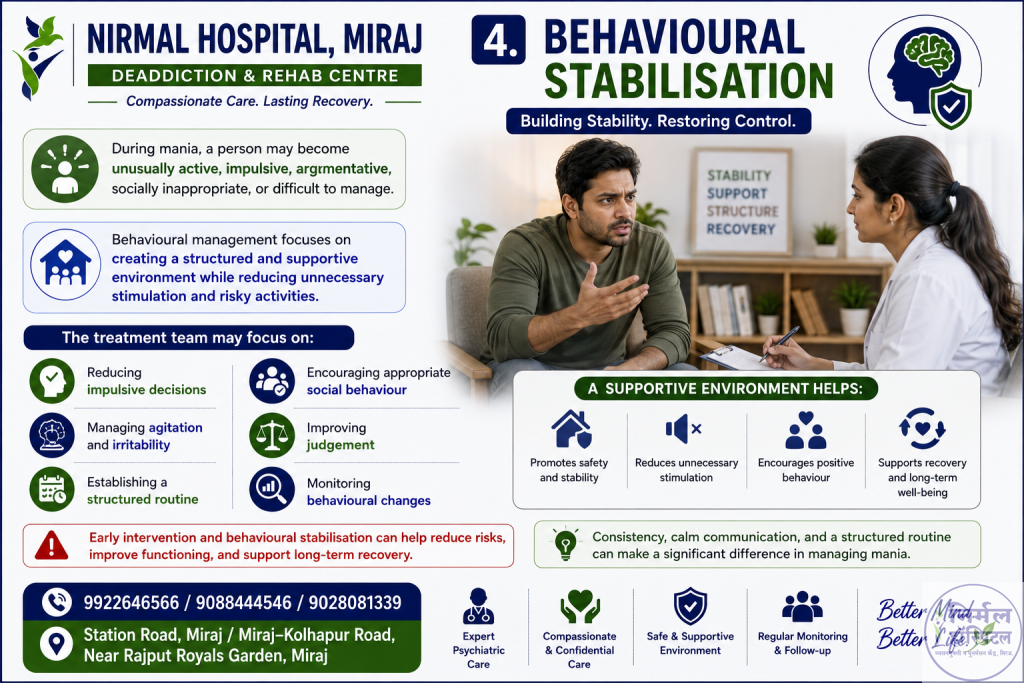
During mania, a person may become unusually active, impulsive, argumentative, socially inappropriate, or difficult to manage.
Behavioural management focuses on creating a structured and supportive environment while reducing unnecessary stimulation and risky activities.
The treatment team may focus on:
- Reducing impulsive decisions
- Managing agitation and irritability
- Establishing a structured routine
- Encouraging appropriate social behaviour
- Improving judgement
- Monitoring behavioural changes
5. Management of Severe Mania
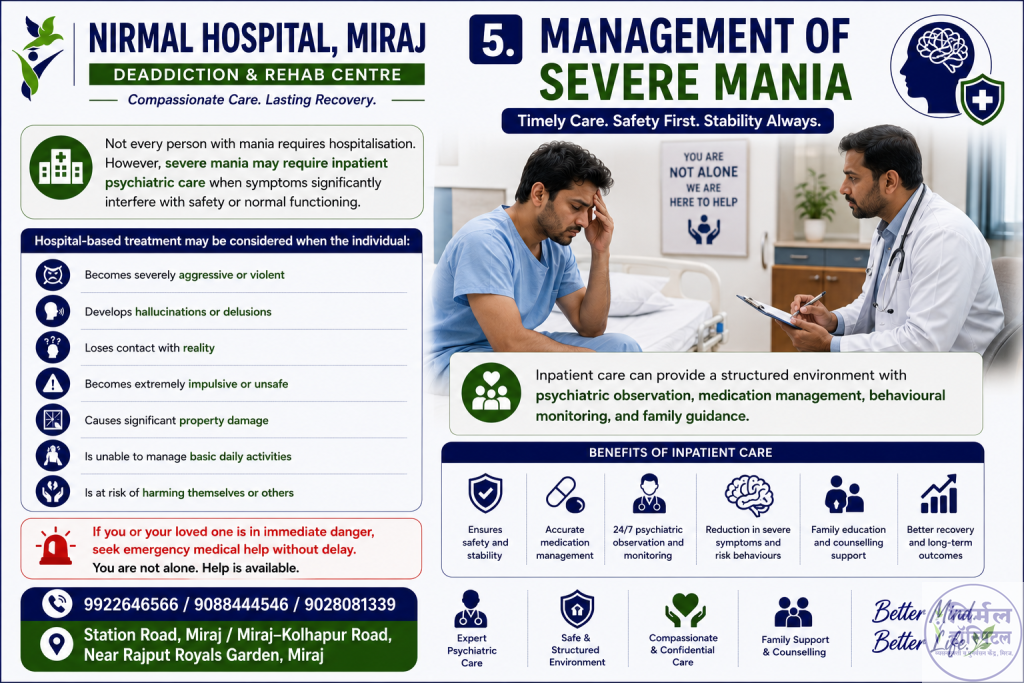
Not every person with mania requires hospitalisation. However, severe mania may require inpatient psychiatric care when symptoms significantly interfere with safety or normal functioning.
Hospital-based treatment may be considered when the individual:
- Becomes severely aggressive or violent
- Develops hallucinations or delusions
- Loses contact with reality
- Becomes extremely impulsive or unsafe
- Causes significant property damage
- Is unable to manage basic daily activities
- Is at risk of harming themselves or others
Inpatient care can provide a structured environment with psychiatric observation, medication management, behavioural monitoring, and family guidance.
6. Management of Psychotic Symptoms
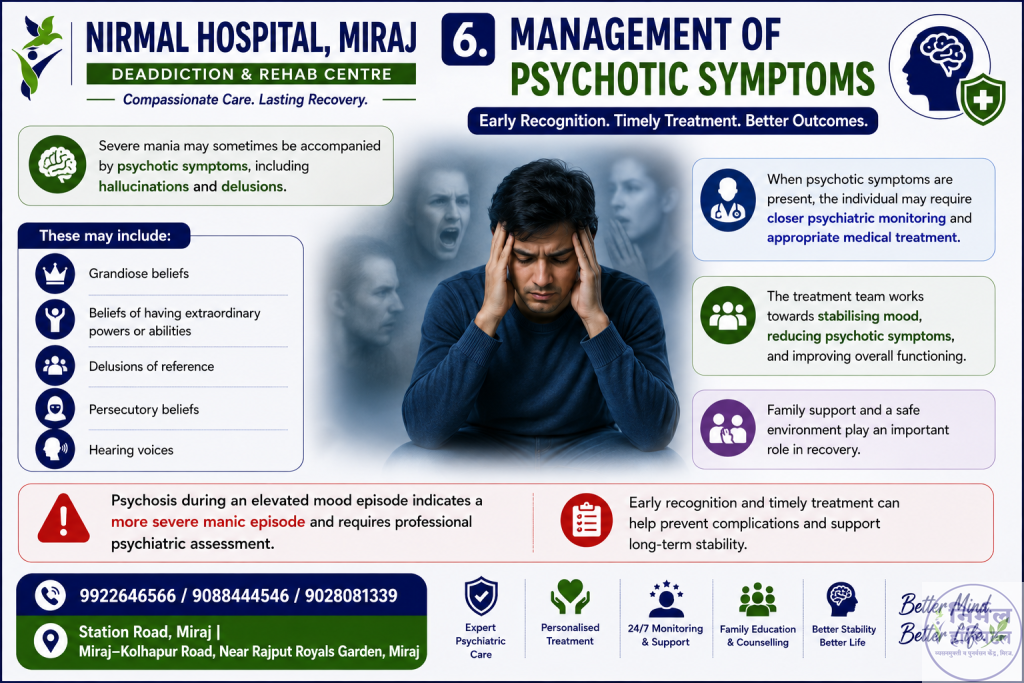
Severe mania may sometimes be accompanied by psychotic symptoms, including hallucinations and delusions.
These may include:
- Grandiose beliefs
- Beliefs of having extraordinary powers or abilities
- Delusions of reference
- Persecutory beliefs
- Hearing voices
When psychotic symptoms are present, the individual may require closer psychiatric monitoring and appropriate medical treatment.
Psychosis during an elevated mood episode indicates a more severe manic episode and requires professional psychiatric assessment.
7. Psychological Support and Psychoeducation
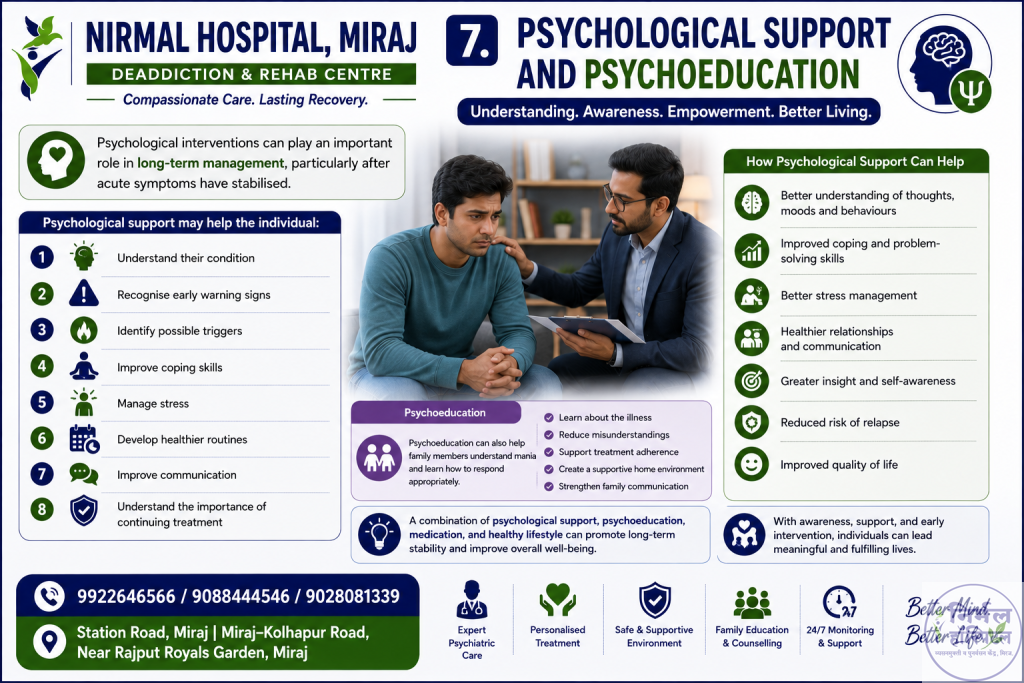
Psychological interventions can play an important role in long-term management, particularly after acute symptoms have stabilised.
Psychological support may help the individual:
- Understand their condition
- Recognise early warning signs
- Identify possible triggers
- Improve coping skills
- Manage stress
- Develop healthier routines
- Improve communication
- Understand the importance of continuing treatment
Psychoeducation can also help family members understand mania and learn how to respond appropriately.
8. Family Support in Mania Treatment
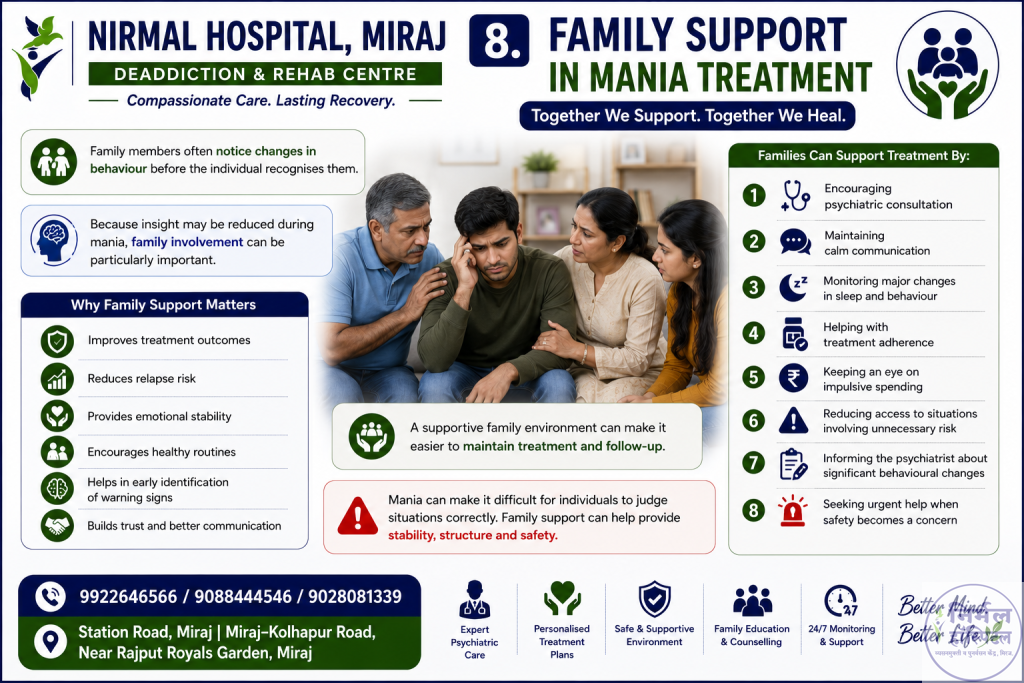
Family members often notice changes in behaviour before the individual recognises them.
Because insight may be reduced during mania, family involvement can be particularly important.
Families can support treatment by:
- Encouraging psychiatric consultation
- Maintaining calm communication
- Monitoring major changes in sleep and behaviour
- Helping with treatment adherence
- Keeping an eye on impulsive spending
- Reducing access to situations involving unnecessary risk
- Informing the psychiatrist about significant behavioural changes
- Seeking urgent help when safety becomes a concern
A supportive family environment can make it easier to maintain treatment and follow-up.
9. Lifestyle and Daily Routine
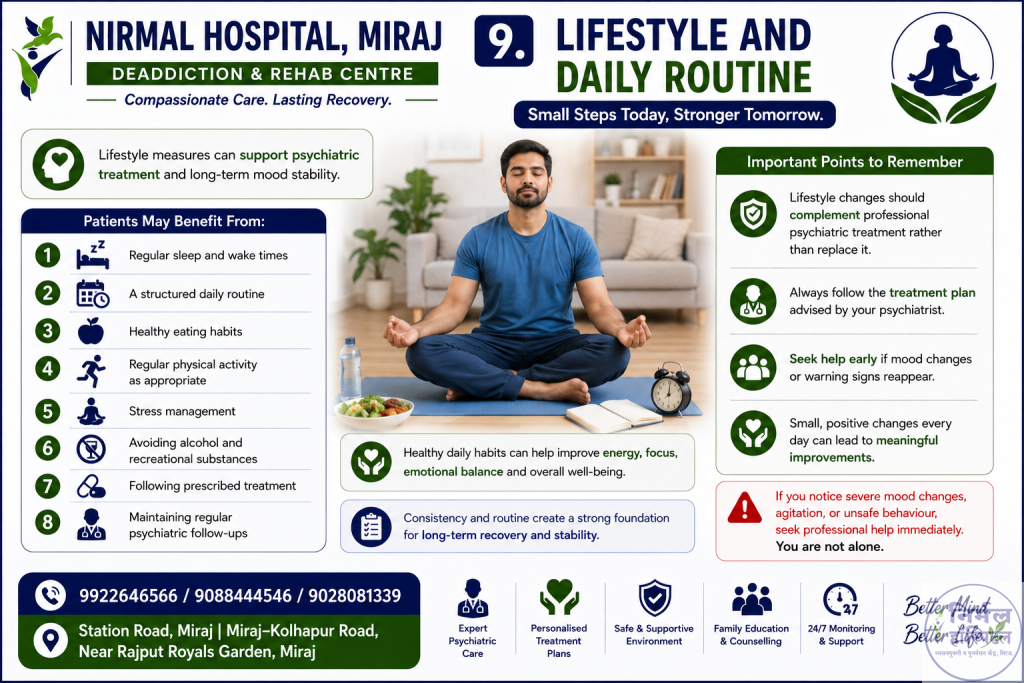
Lifestyle measures can support psychiatric treatment and long-term mood stability.
Patients may benefit from:
- Regular sleep and wake times
- A structured daily routine
- Healthy eating habits
- Regular physical activity as appropriate
- Stress management
- Avoiding alcohol and recreational substances
- Following prescribed treatment
- Maintaining regular psychiatric follow-ups
Lifestyle changes should complement professional psychiatric treatment rather than replace it.
10. Long-Term Management and Relapse Prevention
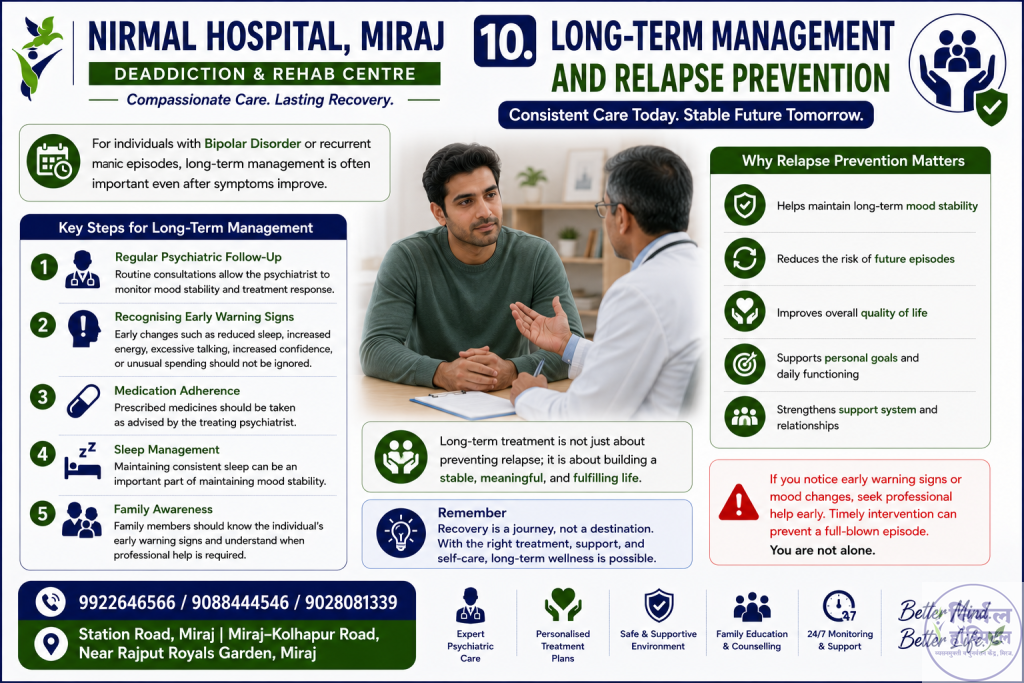
For individuals with Bipolar Disorder or recurrent manic episodes, long-term management is often important even after symptoms improve.
Relapse prevention may include:
Regular Psychiatric Follow-Up
Routine consultations allow the psychiatrist to monitor mood stability and treatment response.
Recognising Early Warning Signs
Early changes such as reduced sleep, increased energy, excessive talking, increased confidence, or unusual spending should not be ignored.
Medication Adherence
Prescribed medicines should be taken as advised by the treating psychiatrist.
Sleep Management
Maintaining consistent sleep can be an important part of maintaining mood stability.
Family Awareness
Family members should know the individual’s early warning signs and understand when professional help is required.
Early Warning Signs of Mania
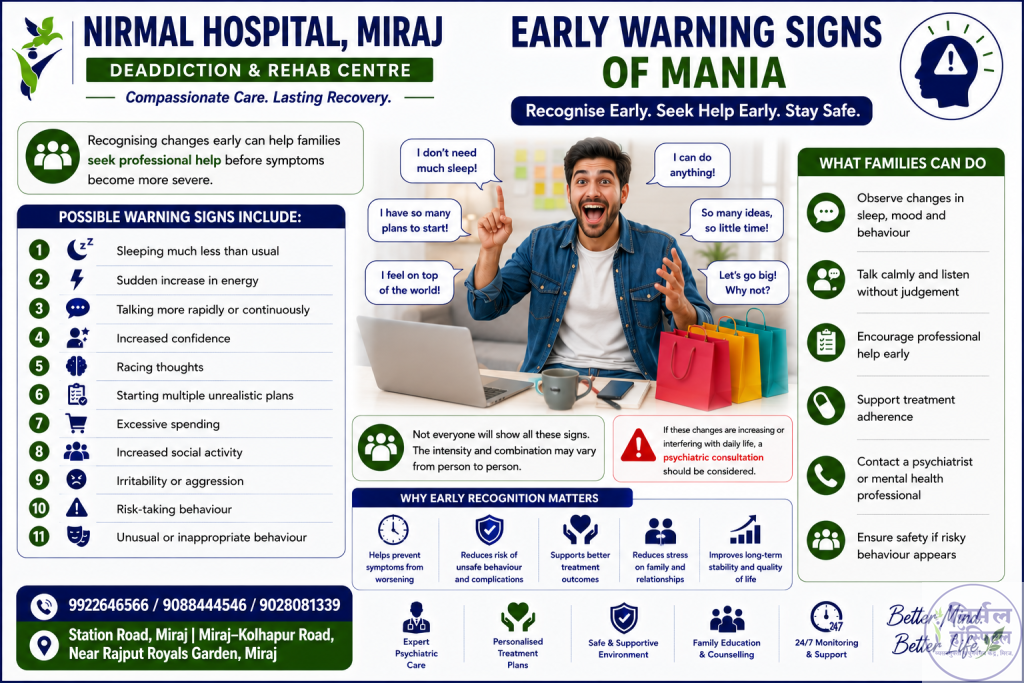
Recognising changes early can help families seek professional help before symptoms become more severe.
Possible warning signs include:
- Sleeping much less than usual
- Sudden increase in energy
- Talking more rapidly or continuously
- Increased confidence
- Racing thoughts
- Starting multiple unrealistic plans
- Excessive spending
- Increased social activity
- Irritability or aggression
- Risk-taking behaviour
- Unusual or inappropriate behaviour
If these changes are increasing or interfering with daily life, a psychiatric consultation should be considered.
Can Mania Return After Treatment?
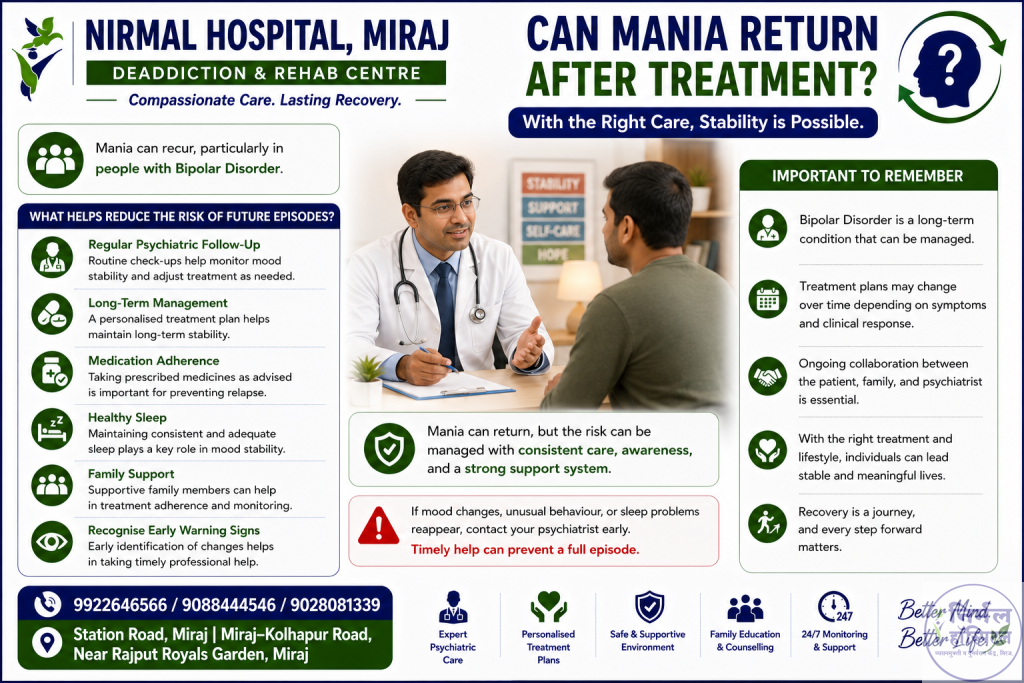
Mania can recur, particularly in people with Bipolar Disorder.
However, regular psychiatric follow-up, appropriate long-term management, medication adherence when prescribed, healthy sleep, family support, and recognition of early warning signs can help in managing the risk of future episodes.
The treatment plan may change over time depending on the person’s symptoms and clinical response.
Looking for Mania Treatment Near Me?
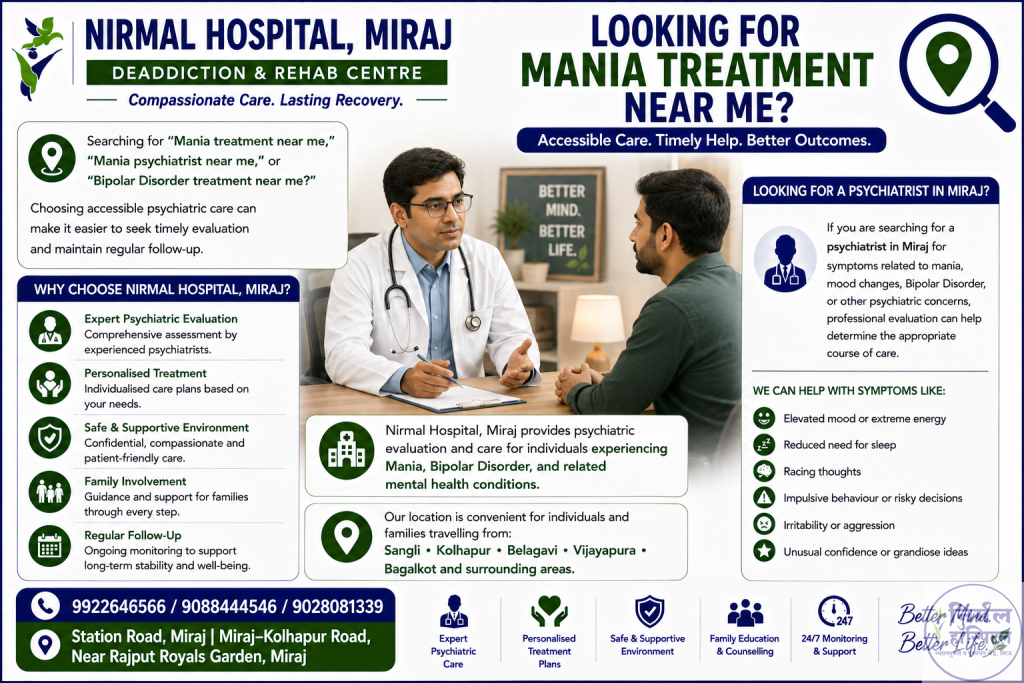
If you are searching for “Mania treatment near me,” “Mania psychiatrist near me,” or “Bipolar Disorder treatment near me,” choosing accessible psychiatric care can make it easier to seek timely evaluation and maintain regular follow-up.
Nirmal Hospital, Miraj provides psychiatric evaluation and care for individuals experiencing Mania, Bipolar Disorder, and related mental health conditions.
Our location can also be convenient for individuals and families travelling from Sangli, Kolhapur, Belagavi, Vijayapura, Bagalkot, and surrounding areas.
Looking for a Psychiatrist in Miraj?
If you are searching for a psychiatrist in Miraj for symptoms related to mania, mood changes, Bipolar Disorder, or other psychiatric concerns, professional evaluation can help determine the appropriate course of care.
Mania Treatment at Nirmal Hospital, Miraj
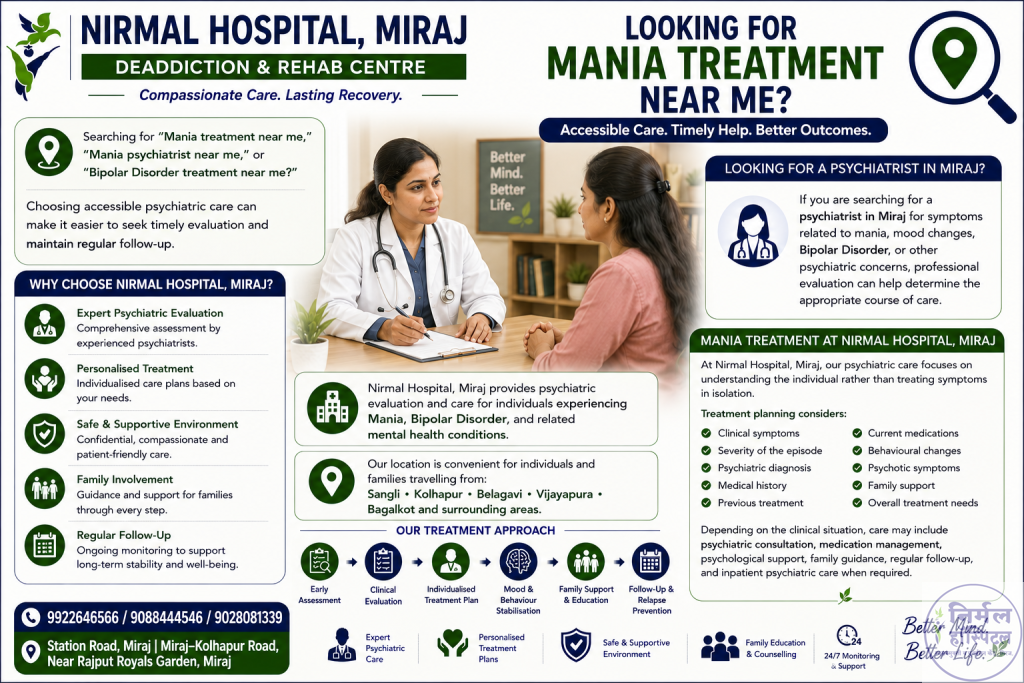
At Nirmal Hospital, Miraj, our psychiatric care focuses on understanding the individual rather than treating symptoms in isolation.
Treatment planning considers:
- Clinical symptoms
- Severity of the episode
- Psychiatric diagnosis
- Medical history
- Previous treatment
- Current medications
- Behavioural changes
- Psychotic symptoms
- Family support
- Overall treatment needs
Depending on the clinical situation, care may include psychiatric consultation, medication management, psychological support, family guidance, regular follow-up, and inpatient psychiatric care when required.
Our Treatment Approach
Early Assessment
↓
Clinical Evaluation
↓
Individualised Treatment Plan
↓
Mood & Behaviour Stabilisation
↓
Family Support & Education
↓
Follow-Up & Relapse Prevention
When Should You Seek Urgent Psychiatric Help?
Immediate professional assistance should be considered when a person with suspected mania:
- Becomes severely aggressive or violent
- Experiences hallucinations or delusions
- Loses contact with reality
- Behaves in an extremely unsafe manner
- Causes serious property damage
- Cannot manage basic daily activities
- May harm themselves or someone else
In an emergency or immediate safety situation, seek emergency medical assistance without delay.
Frequently Asked Questions About Mania Treatment
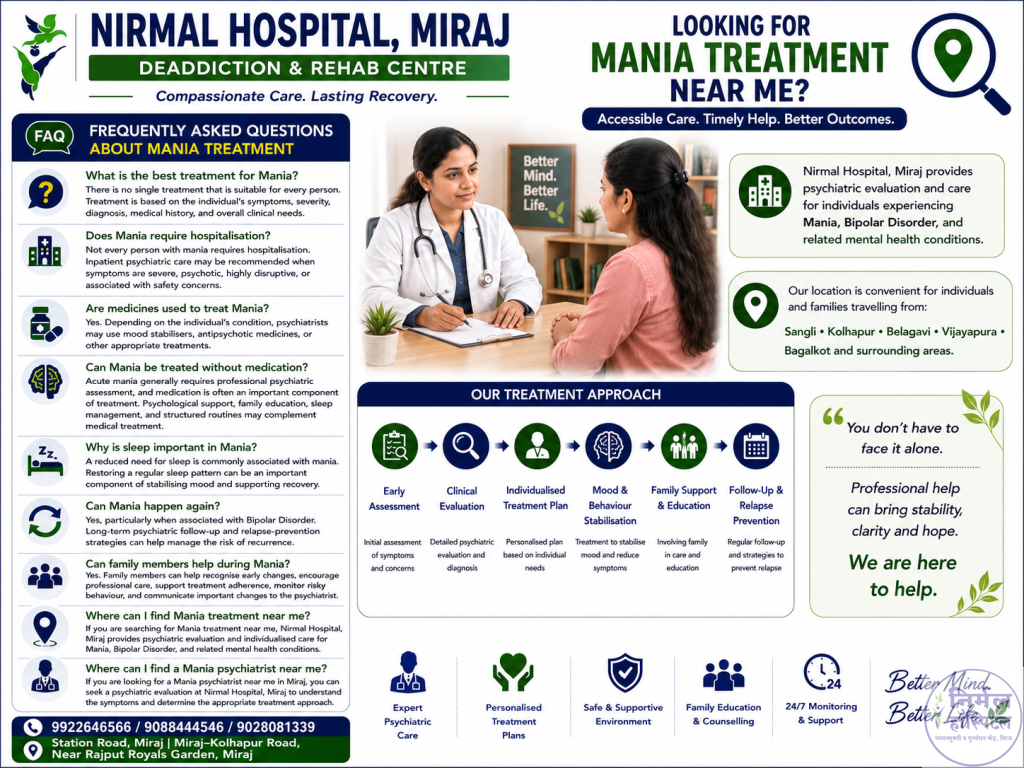
What is the best treatment for Mania?
There is no single treatment that is suitable for every person. Treatment is based on the individual’s symptoms, severity, diagnosis, medical history, and overall clinical needs.
Does Mania require hospitalisation?
Not every person with mania requires hospitalisation. Inpatient psychiatric care may be recommended when symptoms are severe, psychotic, highly disruptive, or associated with safety concerns.
Are medicines used to treat Mania?
Yes. Depending on the individual’s condition, psychiatrists may use mood stabilisers, antipsychotic medicines, or other appropriate treatments.
Can Mania be treated without medication?
Acute mania generally requires professional psychiatric assessment, and medication is often an important component of treatment. Psychological support, family education, sleep management, and structured routines may complement medical treatment.
Why is sleep important in Mania?
A reduced need for sleep is commonly associated with mania. Restoring a regular sleep pattern can be an important component of stabilising mood and supporting recovery.
Can Mania happen again?
Yes, particularly when associated with Bipolar Disorder. Long-term psychiatric follow-up and relapse-prevention strategies can help manage the risk of recurrence.
Can family members help during Mania?
Yes. Family members can help recognise early changes, encourage professional care, support treatment adherence, monitor risky behaviour, and communicate important changes to the psychiatrist.
Where can I find Mania treatment near me?
If you are searching for Mania treatment near me, Nirmal Hospital, Miraj provides psychiatric evaluation and individualised care for Mania, Bipolar Disorder, and related mental health conditions.
Where can I find a Mania psychiatrist near me?
If you are looking for a Mania psychiatrist near me in Miraj, you can seek a psychiatric evaluation at Nirmal Hospital, Miraj to understand the symptoms and determine the appropriate treatment approach.
Consult for Mania Treatment
If you or someone in your family is experiencing reduced need for sleep, increased energy, racing thoughts, excessive talking, grandiose ideas, impulsive behaviour, excessive spending, aggression, hallucinations, or unusual behaviour, do not ignore the changes.
Early psychiatric evaluation can help identify the underlying condition and guide appropriate care.
Nirmal Hospital, Miraj
Psychiatric Evaluation & Mania Care
📞 9922646566 | 9088444546 | 9028081339
📍 Station Road, Miraj
📍 Miraj–Kolhapur Road, Near Rajput Royals Garden, Miraj
Your Mental Health Matters. Professional Help Can Make a Difference.


