

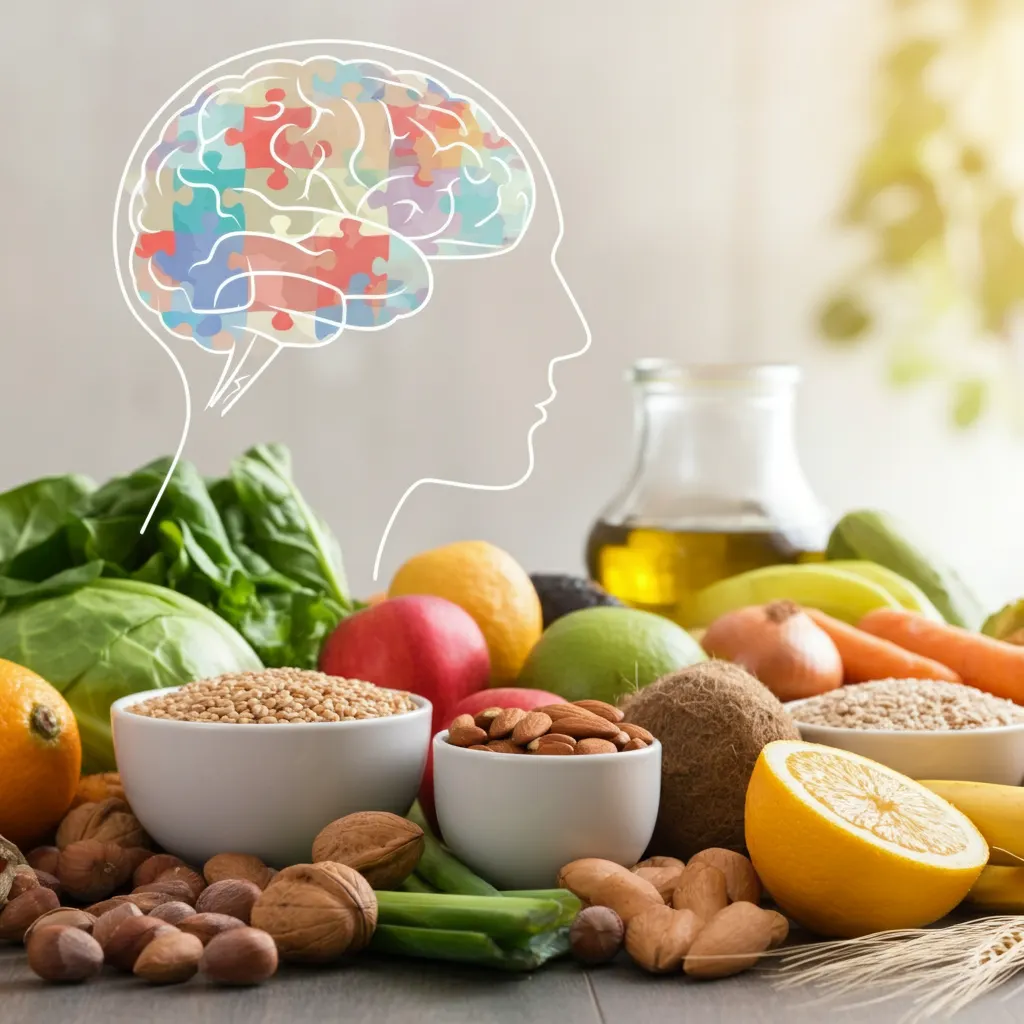
How Diet and Nutrition May Impact Autism Symptoms
Diet and nutrition may impact autism symptoms through complex biological pathways. Research shows that gut health, food choices, and nutrient intake can influence behavior. Many families explore diets such as gluten-free and casein-free for support. This article summarizes evidence without making clinical promises.
Autism spectrum conditions vary widely, and no single diet fits all. Nutrition plays a role in overall wellbeing, which may relate to behavior. Including autism diet and nutrition research offers clarity on what science suggests today.
Understanding Autism and Nutrition
Autism is a neurodevelopmental profile with diverse strengths and challenges. Eating behavior, picky eating, and sensory food aversions are common. These tendencies may shape diet patterns and nutrient intake.
Some researchers propose diet affects brain signaling. Others focus on gut-brain communication, inflammation, and metabolism. The body of research remains evolving and cautious.
Dietary changes are not a substitute for behavioral and developmental support. For comprehensive care, families often combine nutrition planning with therapies. An example is support available at an Autism Rehabilitation Center in Mumbai.

Core Concepts: Diet and Autism Behavior
Gut Microbiome and Autism Nutrition
Studies report differences in microbiome profiles in autistic individuals compared to peers. Some research suggests probiotics or fiber-rich foods may support gut diversity. However, results vary across individuals and require more evidence.
Understanding gut health reveals why nutrition and autism symptoms may relate. A balanced food intake may help digestive comfort and family mealtime experiences.
Gluten-Free and Casein-Free Diets
Gluten and casein are proteins found in wheat and dairy. Some families try a gluten-free casein-free (GFCF) diet to see if behavior changes.
Research on GFCF effects remains mixed. Some small studies show modest behavioral changes, others show no difference. It’s unclear if specific food removal helps directly.
Parents considering a GFCF diet often track behaviors and digestion. Always consult registered nutrition experts when removing major food groups.
Omega-3 Fatty Acids and Brain Health
Some studies explore omega-3 intake in autistic populations. Evidence suggests possible modest improvements in attention and mood regulation. Findings are preliminary.
Including omega-3 rich foods is part of balanced nutrition. It supports heart health and may complement overall wellbeing.
Vitamins, Minerals and Autism Nutrition
Nutrients like vitamin B6, magnesium, zinc, and vitamin D arise often in nutrition discussions. These micronutrients support metabolism and immune function.
Research has examined:
-
Vitamin B6 and magnesium — possible impact on behavior patterns.
-
Zinc and copper balance — linked to cellular processes.
-
Vitamin D — associated with immune response.
Scientific conclusions are not definitive, but nutritional adequacy supports overall health.
Sugar, Inflammation and Behavior
High sugar intake may affect energy levels and mood. In general populations, spikes in sugar often relate to fatigue and irritability.
In autistic individuals, sugar and refined carbs may contribute to digestive discomfort. Some families notice changes when reducing refined sugar.
Anti-inflammatory foods like berries, leafy greens, and nuts may support steady energy. However, diet effects vary widely between individuals.
Picky Eating and Sensory Aversions
Many autistic children display sensory food aversions. Texture, smell, and temperature often guide food acceptance.
Picky eating may lead to:
-
Limited food variety
-
Lower nutrient diversity
-
Mealtime stress
Strategies include:
-
Gradual food introduction
-
Pairing new with favorite foods
-
Consistent routines
Diet and autism challenges often intersect with eating behaviors. Addressing sensory comfort supports both nutrition and family mealtime dynamics.
Balanced Nutrition Guide
A balanced diet supports energy, growth, and mood. Below is a sample guide for nutrient-rich meals that many families use as a baseline.
Balanced Food Groups Table
| Food Group | Examples | Benefits |
|---|---|---|
| Fruits & Vegetables | Berries, spinach, carrots | Vitamins, fiber, antioxidants |
| Protein | Eggs, chicken, legumes | Muscle, metabolism support |
| Healthy Fats | Salmon, avocado, nuts | Brain & cell health |
| Whole Grains | Brown rice, oats | Steady energy |
| Dairy or Alternatives | Yogurt, fortified plant milk | Calcium, probiotics |
Good nutrition emphasizes variety and moderation. Realistic goals help families sustain healthy habits.
Accessory Nutrition Keywords in Context
Below concepts often arise in broader discussions on autism nutrition.
Can Food Affect Autism Behavior?
Families frequently ask whether specific foods influence mood. While direct causal links aren’t confirmed, food choices can shape comfort and energy.
Role of Gut Health in Autism
Gut-brain interactions provide plausible pathways for food influence. Researchers continue exploring metabolic and microbial links.
Does Gluten Worsen Autism?
Some individuals tolerate gluten well; others may have sensitivities. Testing and professional guidance help families decide.
Can Removing Dairy Help Autism?
Dairy removal may affect digestion for some. It doesn’t universally improve behavior but can reduce discomfort.
Supplements for Autistic Children
Supplements are common topics, but evidence varies. Food-first strategies often come first.
Practical Tips for Parents and Caregivers
Practical tips help convert research into action without overstatement.
✔ Encourage variety slowly.
✔ Prioritize nutrient-dense, familiar foods.
✔ Include fiber to aid digestion.
✔ Offer water instead of sugary drinks.
✔ Schedule regular meals and snacks.
✔ Note behavior and comfort alongside diet changes.
Every child is unique, and what works for one family may differ for another.
Integrating Diet With Other Autism Supports
Diet is just one component of holistic support. Many families combine strategies with developmental therapies.
An example of integrated care is available through resources like integrated autism-ADHD and anxiety treatment. These approaches consider behavior, sensory needs, and overall wellbeing.
Diagnosing Autism and Nutritional Planning
A structured diagnosis guides individualized support. Medical professionals evaluate behavior, communication, and development.
Understanding how autism is diagnosed provides context for tailored nutrition planning. Diagnosis helps set expectations and align support resources.
Latest Research Insights (as of Dec 2025)
Recent literature continues exploring:
-
Gut microbiome links to behavior
-
Effects of food components on metabolism
-
Interplay between sensory aversions and nutrient intake
-
Personalized nutrition approaches
Emerging studies use larger sample sizes and integrate genetics. Evidence remains cautious but promising.
Key Bullet Summary: What Science Suggests
-
Diet relates to digestion and comfort, not diagnosis.
-
Nutrient status supports general health.
-
No diet universally changes core autism traits.
-
Gut health is a growing focus of research.
-
Omega-3, fiber, and micronutrients show modest associations.
-
Sensory driven eating choices affects food variety.
-
Families benefit from professional guidance.
Common Questions About Autism Diet and Nutrition
Q: Can diet cure autism?
A: No — there is no evidence that diet cures autism.
Q: Should I try a GFCF diet?
A: Some families experiment, but evidence is mixed.
Q: Are probiotics helpful?
A: Probiotics may support gut health, research continues.
Q: Does sugar make symptoms worse?
A: Sugar may influence energy but not core traits.
Realistic Expectations and Next Steps
Expectations matter. Diet and nutrition may support comfort and energy. They complement, not replace, comprehensive autism support.
Work with pediatric nutritionists for personalized planning. Monitor behaviors and digestive responses thoughtfully.
Conclusion
Diet and nutrition may impact autism symptoms indirectly through gut health, energy, and comfort. Scientific research remains ongoing and avoids definitive claims.
A balanced, nutrient-rich diet supports overall health, which benefits daily life. Individual responses vary, and family preference plays a central role.
Nutrition links to autism remain a research frontier. Informed choices, professional support, and consistent observation help families find sustainable habits.


Leave a Reply